What to do about earwigs in your home
- Updated: December 15, 2025
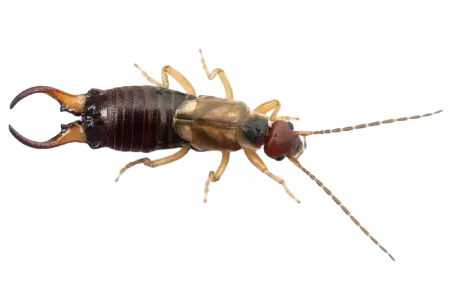
Earwigs are a common nuisance pest for many homeowners in the Miami Valley. Although they look intimidating with their pincers, they rarely bite and they do not harm people the way some pests do. The real trouble comes from the way they gather in large numbers, especially during warm or wet periods. Homes in southwestern Ohio often see earwigs move indoors seeking shelter, moisture, and food. Understanding why they come inside, what risks they bring, and the signs that an infestation is forming helps you decide when to take action.
The damage and risk earwigs cause indoors
Earwigs do not spread disease and they do not cause structural damage, but they create several problems that can affect daily comfort inside a home. Their preferred hiding spots are damp, dark, and cluttered areas. When they enter in large numbers, homeowners may find them in basements, laundry rooms, bathrooms, or near entry points such as door frames and foundation cracks.
Earwigs feed on decaying plant matter, fungi, and sometimes other insects. Indoors, they may chew on houseplants, stored paper goods, or cardboard items. While the damage is usually minor, the nuisance of finding earwigs repeatedly in sinks, tubs, basements, and laundry areas becomes stressful. Their presence also signals that your home has enough moisture to attract other pests. High humidity, water leaks, and damp storage areas all contribute to increasing earwig populations.
Another concern is that earwigs tend to cluster. When the outdoor environment becomes too hot, dry, or saturated with heavy rain, they come inside in groups. This sudden surge often surprises homeowners and requires a quick response before the problem spreads throughout the home.
Earwig behavior patterns in the Miami Valley
Earwigs in southwestern Ohio are strongly influenced by weather conditions. The Miami Valley sees activity peak during warm, humid months from late spring through early fall. Heavy rainfall drives them out of mulch beds, landscaping, woodpiles, and rotting vegetation around the home. Once these areas become waterlogged, earwigs search for dry, protected places, which often leads them indoors.
Outdoor lighting also attracts earwigs at night. Homes with bright porch lights or landscape lighting may see more earwigs gathering near entry points. They enter through foundation cracks, gaps under doors, torn screens, or openings around utility lines.
Inside homes, earwigs remain active at night. Homeowners often discover them when turning on lights in a basement or bathroom late at night. During the day, they hide beneath boxes, under mats, behind appliances, or inside cracks along baseboards. Because they dislike dry air, they tend to stay close to moisture heavy areas, especially in older homes that naturally retain humidity.
Signs that earwigs have established themselves
A single earwig sighting is not usually a cause for concern. However, repeated sightings over several days indicate that they have found suitable shelter inside your home. Finding earwigs clustered under sinks, in laundry rooms, behind stored items, or near basement drains is a sign that conditions are right for them to stay.
Other indicators include increased activity around exterior doors, garage entrances, or foundation walls. If you find earwigs inside cardboard storage boxes or around indoor plants, it means they have begun exploring deeper into the home. Homeowners often notice them more after rainy periods or during late summer when outdoor populations peak.
When you should take action
You should take action when earwigs appear repeatedly, especially if you see them in multiple areas of the home. Store bought sprays may kill visible insects, but they rarely address the moisture issues or entry points that attract earwigs in the first place. Without correcting these conditions, the problem usually returns every season.
Prompt treatment is especially important if earwigs are appearing in large numbers or if you are seeing them in living areas such as bedrooms or bathrooms. Earwig activity often signals underlying problems with humidity or dampness that can also attract other pests like centipedes, silverfish, and spiders.
The right next step
If earwigs are showing up around your home and becoming a recurring nuisance, the best thing to do is contact Midwest Pest and Wildlife Control. We identify where they are entering, reduce the population, and address the moisture conditions that allow them to thrive. Professional treatment keeps earwigs from settling in and helps restore comfort and peace of mind in your Miami Valley home.