


Pest Control Miami Valley, OH
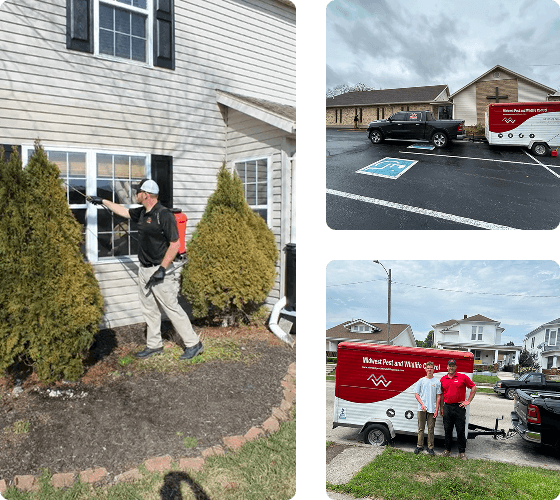
Since 2010, Midwest Pest & Wildlife Control has built its pest removal experience one difficult infestation at a time, helping properties in the Miami Valley and nearby communities that deal with insects, rodents, nesting pests, and seasonal invaders.
- Warranty-Backed Work With Follow-Up Support
- Measured Treatments With Clear Reentry Guidance
- Same-Day Appointments When Scheduling Allows
Reliable and Affordable Pest Control Across Miami Valley, OH
Miami Valley and nearby neighborhoods face different pest pressures across riverfront areas, older streets, newer homes, workshops, and commercial properties. Damp ground near the Great Miami River, along with garages, storage areas, and worn openings, can create suitable shelter.
Our pest-control career began in 2010. That field time helps our pest control company tell a passing seasonal visitor from activity that is nesting, feeding, or returning through the same opening. We recommend one-time or recurring service only after the property starts making sense.
Pest Control Services For Miami Valley and Southwestern Ohio

Residential Pest Control
A home rarely shows every clue at once. We check rooms, exterior edges, and the conditions linking those sightings together.

Commercial Pest Control
Restaurants, offices, shops, warehouses, and shared buildings need quiet pest work that respects customers, employees, stock, and operating hours.
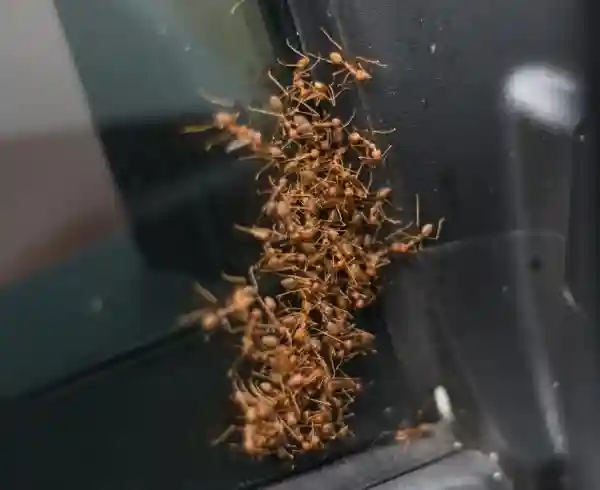
Ant Control
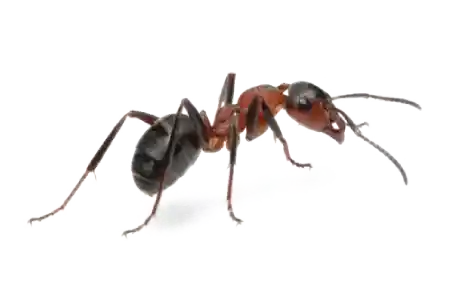
One wandering ant may lead somewhere useful. Our local exterminators trace feeding routes, moisture, wall gaps, and the colony behind the traffic.
Bed Bug Control
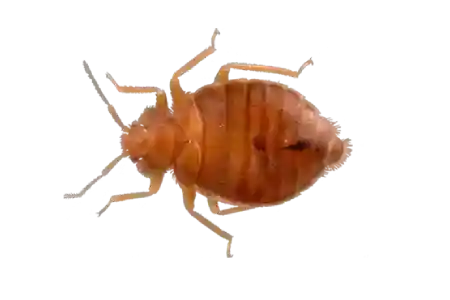
Mattress checks are only the beginning. Frames, upholstered furniture, trim, and nearby cracks may hold the activity customers cannot see.
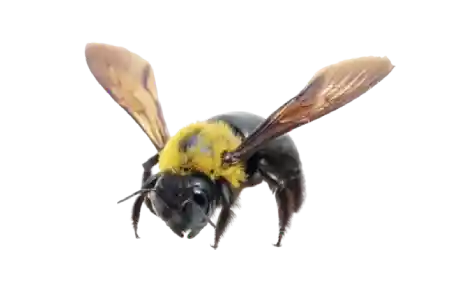
Carpenter Bee Control
Clean round holes and fresh wood dust often reveal carpenter bee galleries. We find occupied sections and treat the affected timber.

Centipede Control
Fast movement across a basement floor usually has a reason. Damp shelter and smaller insects often deserve attention at the same time.
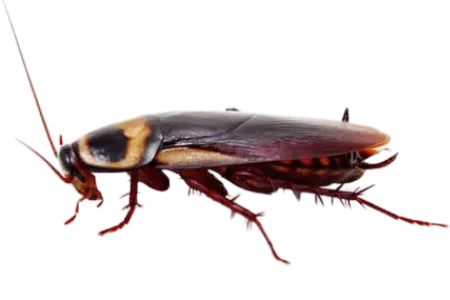
Cockroach Control
Roaches use warmth, crumbs, leaks, and narrow voids remarkably well. Our pest control for indoor and outdoor treatment follows the places where they actually spend time.
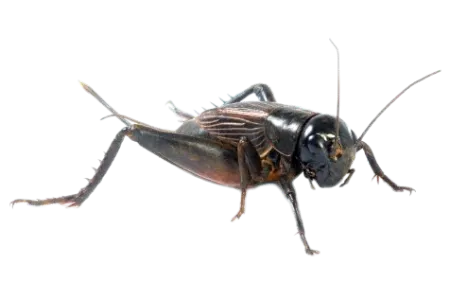
Cricket Control
That nighttime chirp may begin beside a garage wall, floor drain, or utility opening. We narrow down the hiding place.
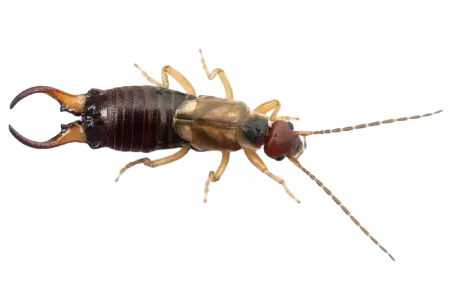
Earwig Control
Earwigs settle beneath mulch, stones, and damp cover outdoors. We deal with that shelter and the route carrying them inside.

Flea & Mite Control
Bites do not identify the pest by themselves. Pet areas, fabrics, wildlife activity, and room patterns help tell the story.
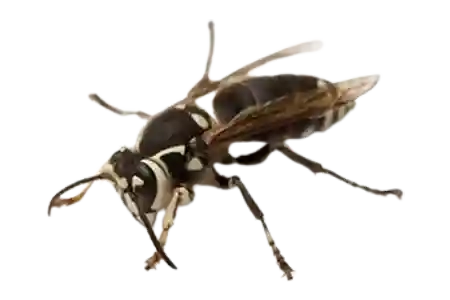
Hornet Control
A hornet nest can put an entrance, play area, or work zone off limits. Our pest expert locates the colony before acting.
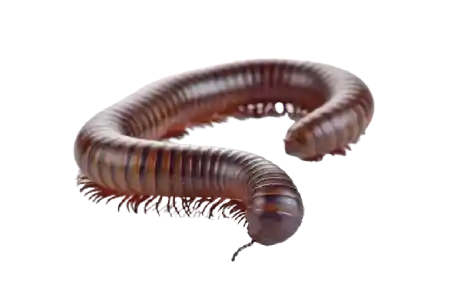
Millipede Control
Soaked soil can send millipedes toward thresholds in surprising numbers. We focus on damp exterior shelter and low entry routes.
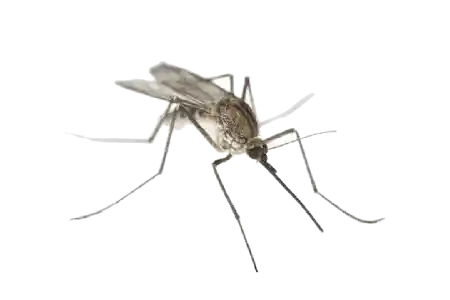
Mosquito Control
Collected water supports breeding, while shaded vegetation gives adult mosquitoes a resting place. We target both sides of that pattern.
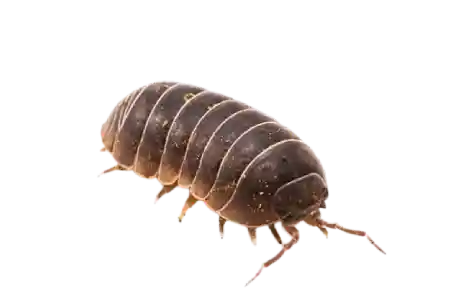
Pill Bug Control
Pill bugs prefer moisture and decaying organic matter. When they wander indoors, foundations, thresholds, and wet landscape beds deserve inspection.

Rodent Control
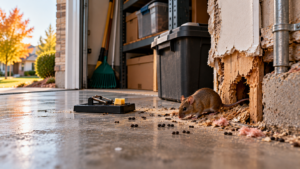
Droppings, gnaw marks, and nighttime scratching often reveal rodent travel routes. Our pest control exterminator controls rodents while checking the gaps and openings they may be using.
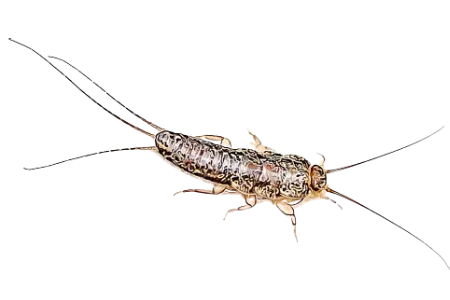
Silverfish Control
Quiet storage areas can give silverfish paper, fabric, darkness, and humidity. We work through the hidden edges where they settle.
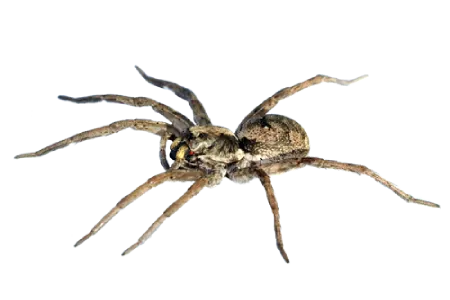
Spider Control
Webs often return when insects remain nearby. Our service addresses spider shelter without ignoring the prey that keeps that area useful.
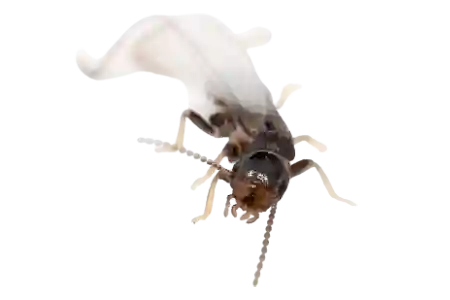
Termite Control
Termites may feed behind finished surfaces long before obvious damage appears. We inspect the structure before recommending a treatment path.
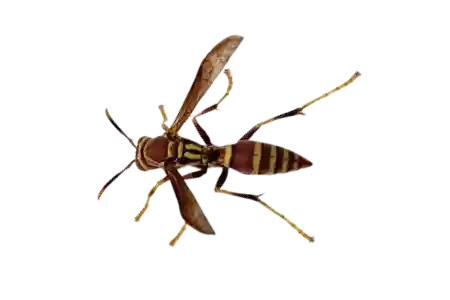
Wasp Control
Railings, eaves, shutters, and equipment covers can conceal wasp nests. We identify the active site and approach it carefully.
Yellow Jacket Control
Repeated flight into soil, siding, or a wall opening can uncover the colony. Watching that movement keeps our pest extermination services properly executed.
Protection Shaped Around The Way You Live And Work
Pest Control Services For Residential Properties
Inside a home, pests rarely stay in one obvious spot. We inspect living areas, basements, attics, garages, and exterior entry points, then use targeted treatment, trapping, exclusion, nest removal, or specialty service as needed. Follow-up guidance covers moisture, storage, sanitation, and small repairs that can make another infestation less likely.

Ants

Cockroaches

Centipedes

Silverfish

Crickets
Earwigs

Mosquitoes

Spiders
Pest Control Services For Commercial Properties
Commercial pest work has to protect the building without disrupting the business. Our pest control Miami Valley, OH, pros inspect kitchens, offices, warehouses, customer areas, loading zones, and utility spaces, then schedule targeted service around operating hours. Treatment may include baiting, trapping, exclusion, sanitation recommendations, monitoring, and follow-up for recurring or high-pressure pest activity over time.

Offices

Warehouses

Restaurants

Retail Stores

What Our Customers Say


A Closer Look At The Pests We Handle

Ants
A kitchen trail may come from pavement ants beneath a slab, odorous house ants following moisture, or carpenter ants nesting in damp wood. The species matters. Some merely raid food, while carpenter ants hollow out smooth galleries that can worsen existing wood damage over time.

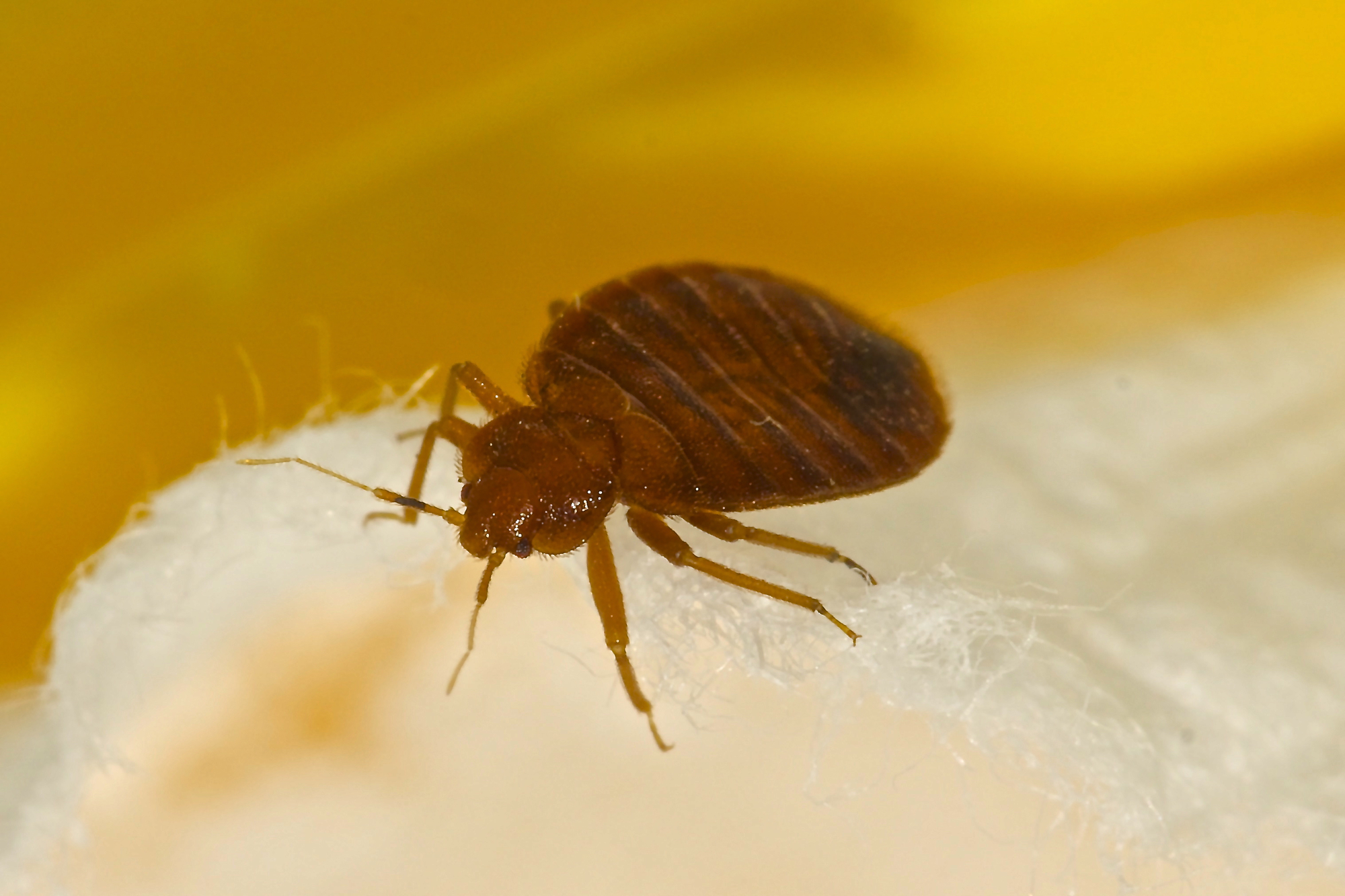
Bed Bugs
Look beyond bites. Dark spotting, pale shed skins, tiny eggs, and rusty marks on bedding offer stronger evidence. An adult bed bug is roughly five millimeters long and can flatten into narrow furniture joints. Although it does not transmit disease, an infestation may trigger allergic reactions, anxiety, and sleeplessness.

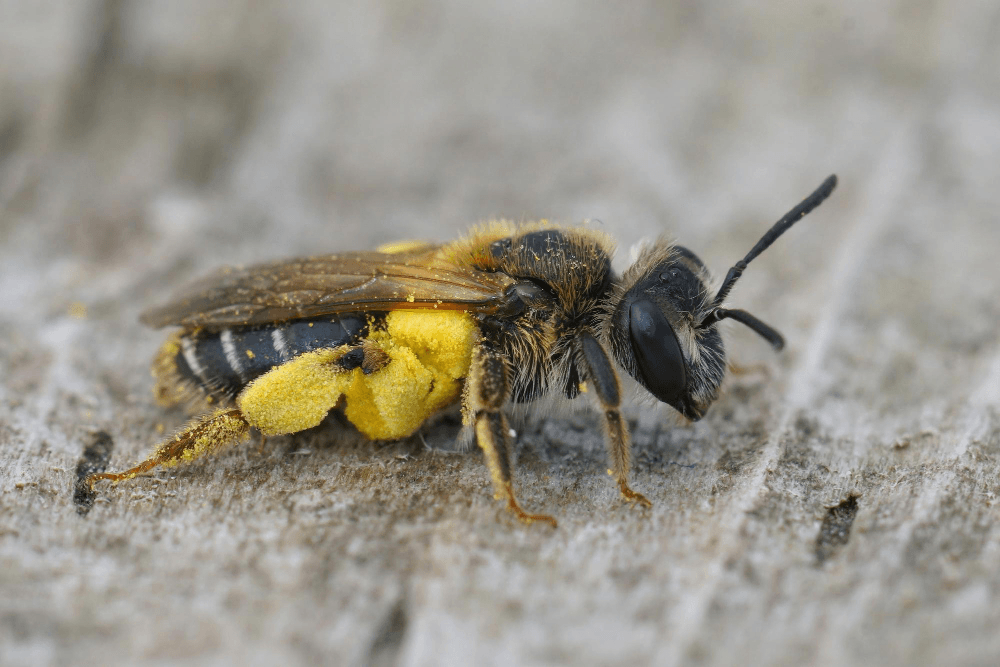
Carpenter Bees
A carpenter bee resembles a large bumblebee, but its abdomen looks mostly bare and shiny. Females cut galleries into fascia, porch ceilings, rails, and other exposed wood. Reused tunnels can spread for years, while woodpeckers may tear open additional sections searching for developing bees.

Centipedes
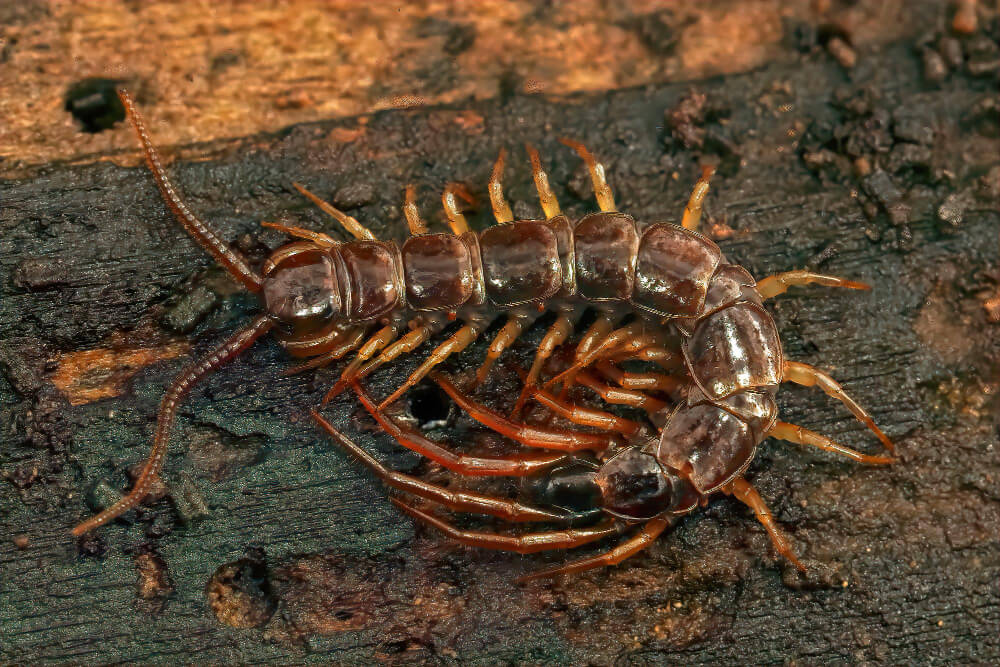
House centipedes are hard to miss. Their fifteen pairs of striped legs carry them quickly across floors while they hunt spiders, roaches, and silverfish. Seeing one now and then is common. Frequent activity, however, can badly point to excess moisture and plenty of smaller insects nearby.

Cockroaches
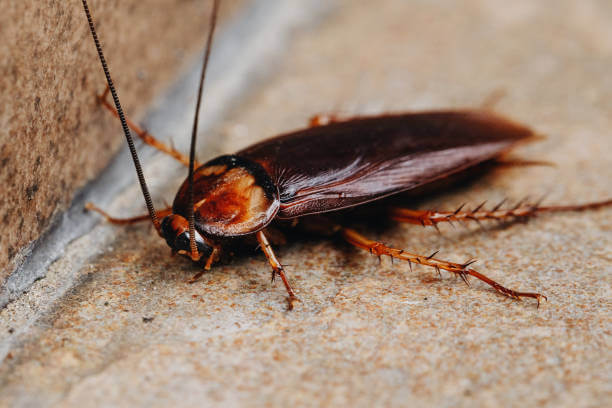
Two dark lines behind the head help identify the small, tan German cockroach. Warm kitchens, breakrooms, restaurants, and storage areas give them food, moisture, and tight breeding spots. Droppings, shed skins, saliva, and body fragments may soil surfaces and worsen allergy or asthma symptoms.

Crickets
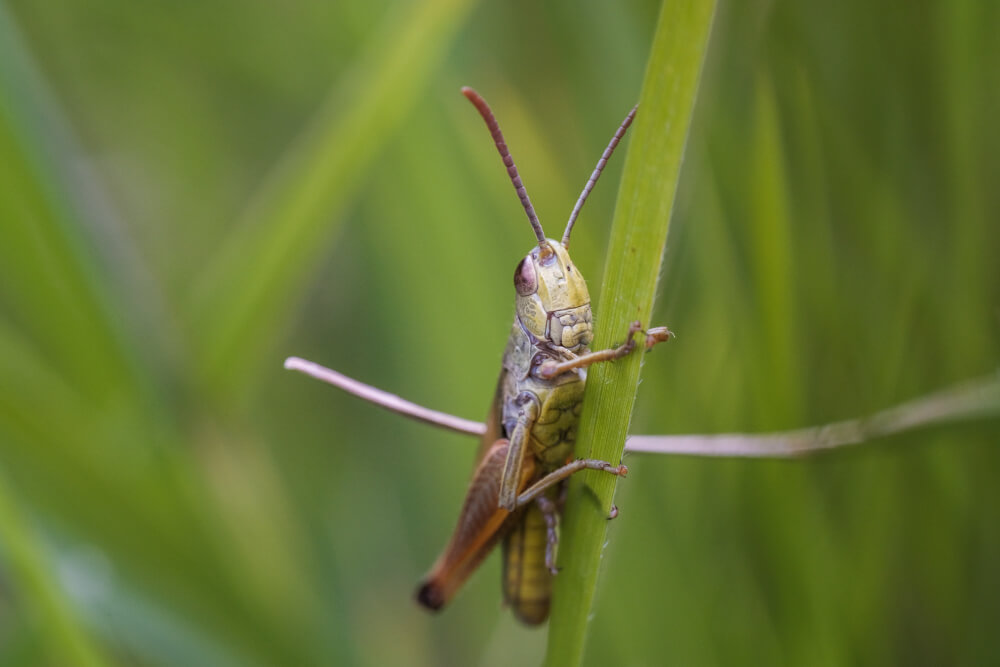
Crickets stand out because of their long antennae and powerful back legs. House and field crickets often gather near doors and lights, while camel crickets prefer damp basements. Their nighttime chirping can become irritating, and some may damage paper, fabric, or stored household items.

Earwigs
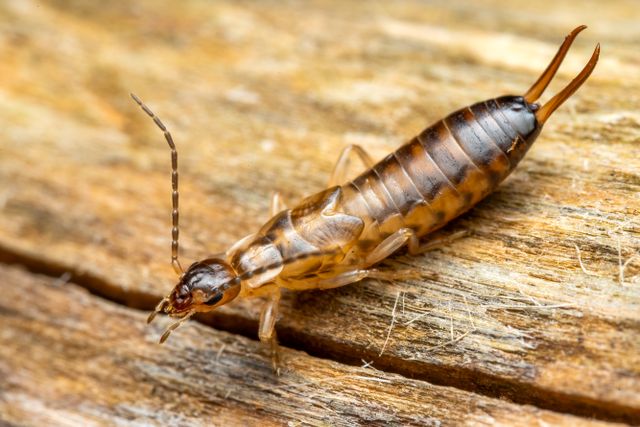
The curved pincers at the rear look alarming, yet earwigs do not attack people or reproduce inside buildings. These reddish-brown night feeders spend summer days beneath damp mulch, boards, and stones. Large outdoor populations may chew irregular holes in hostas, dahlias, marigolds, and other garden plants.

Fleas
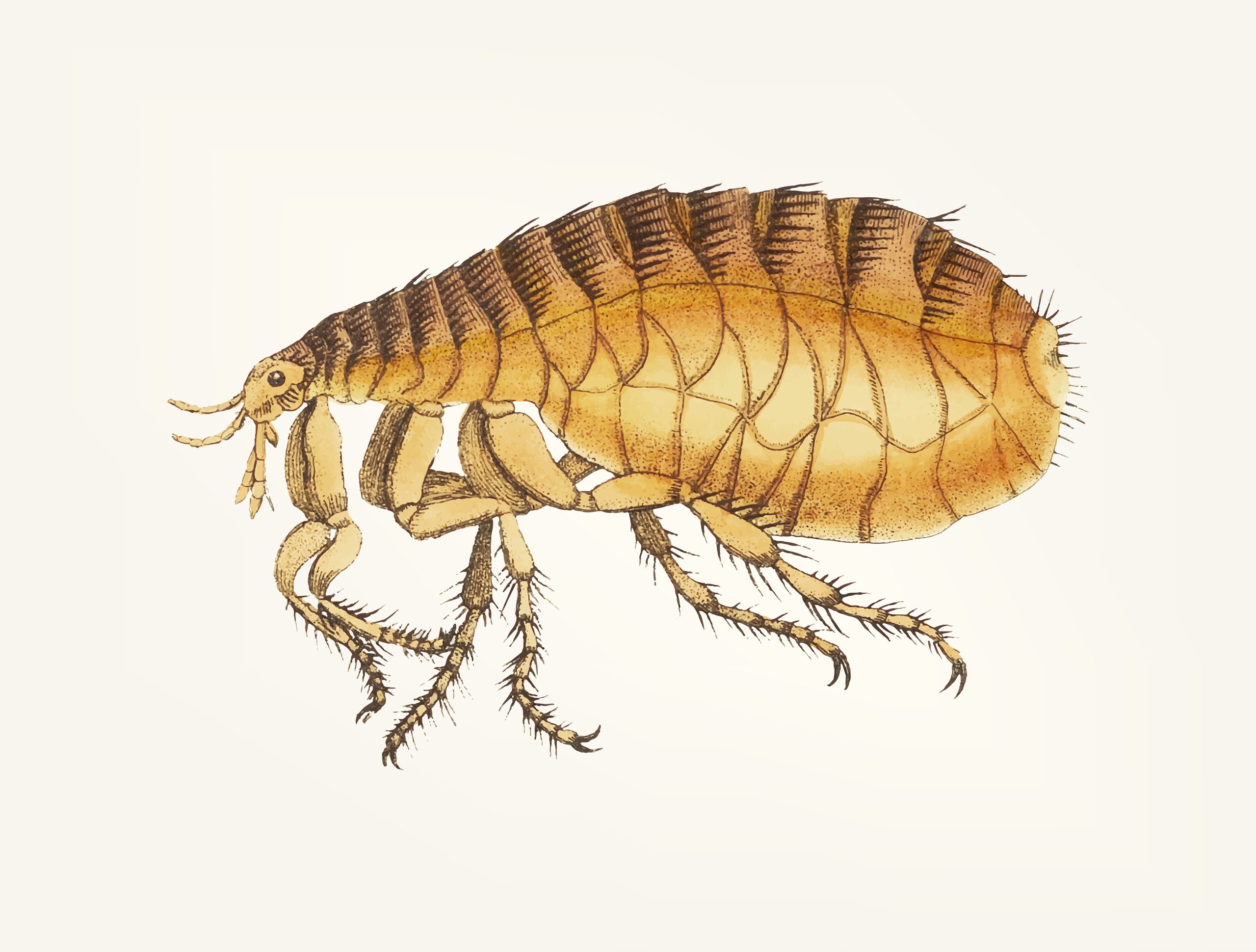
The cat flea is the species most often found on both dogs and cats. Its narrow, wingless body slips through fur, while powerful legs carry adults between hosts. Eggs and immature stages remain in rugs, bedding, floor cracks, and shaded animal resting spots, allowing activity to continue away from the pet.

Hornets
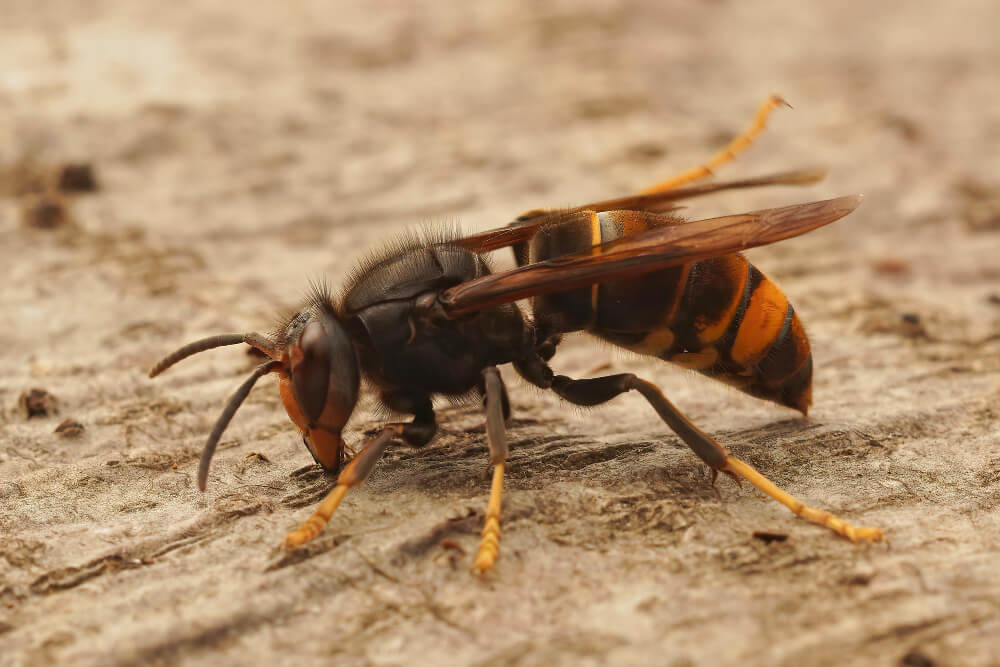
Hornet colonies build layered paper nests in trees, beneath rooflines, or inside protected cavities. Workers hunt other insects, but the colony becomes defensive when people, equipment, or pets approach the nest. A poorly placed nest can turn an ordinary doorway, loading area, playground, or mowing route into a sting hazard.

Millipedes
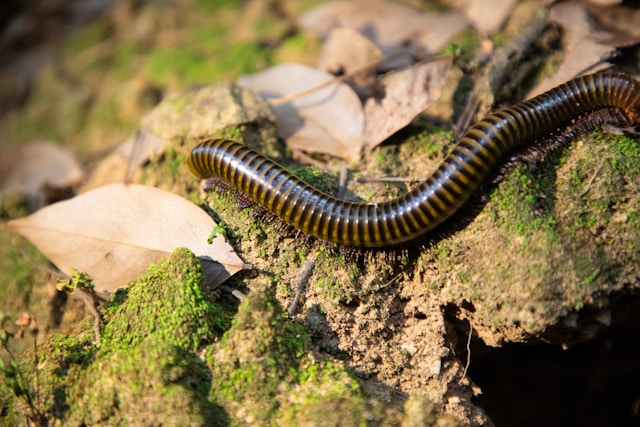
Two pairs of legs on most body segments distinguish millipedes from centipedes. These slow scavengers recycle wet leaves and decaying vegetation outdoors. Following prolonged rain, large numbers may leave saturated soil and cross basement floors or thresholds. They usually die indoors, but their arrival often exposes a moisture or exclusion problem.

Mites
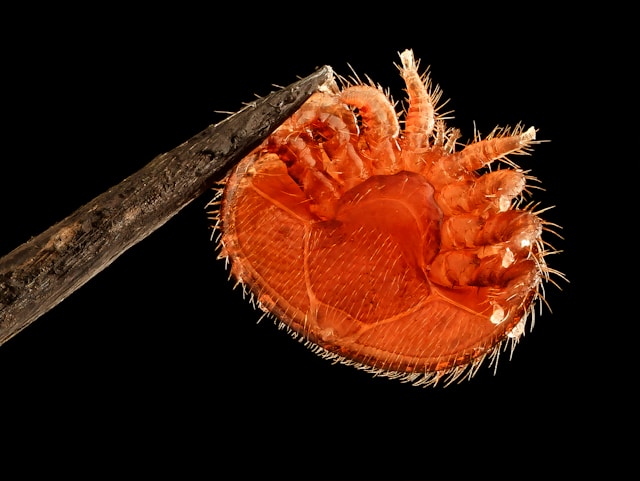
“Mite” does not describe one indoor problem. Clover mites may gather near sunny windows and leave red stains when crushed. Bird or rodent mites can wander through rooms after a nest is abandoned or its host disappears. Because these arachnids are extremely small, correct identification changes the entire treatment approach.

Mosquitoes
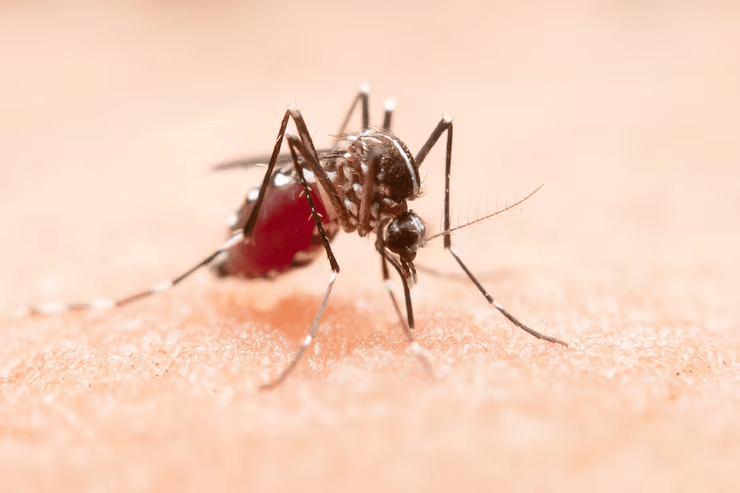
Only female mosquitoes take blood meals, using the protein to produce eggs. Water held in gutters, plant saucers, buckets, and other containers can support immature stages, while dense shade shelters adults. Most species are nuisance biters, but certain mosquitoes can transmit pathogens such as West Nile virus.

Pill bugs
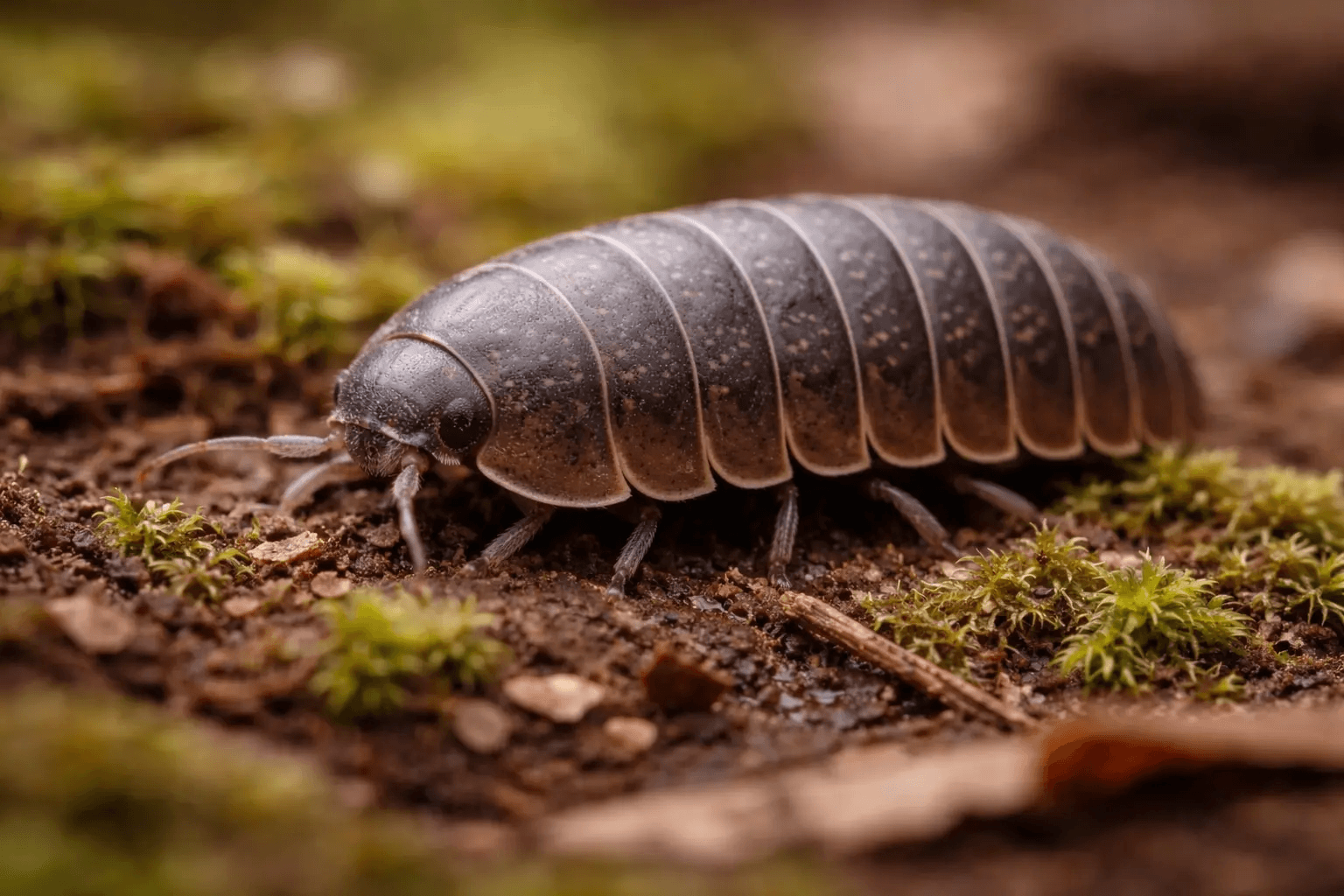
Pill bugs are land-dwelling crustaceans, not insects, and their overlapping gray plates close into a ball when disturbed. They need moist shelter and feed on decomposing plant matter. Indoor specimens do not damage the building, but repeated appearances can reveal wet foundation edges, worn thresholds, or saturated landscape beds.

Rodents
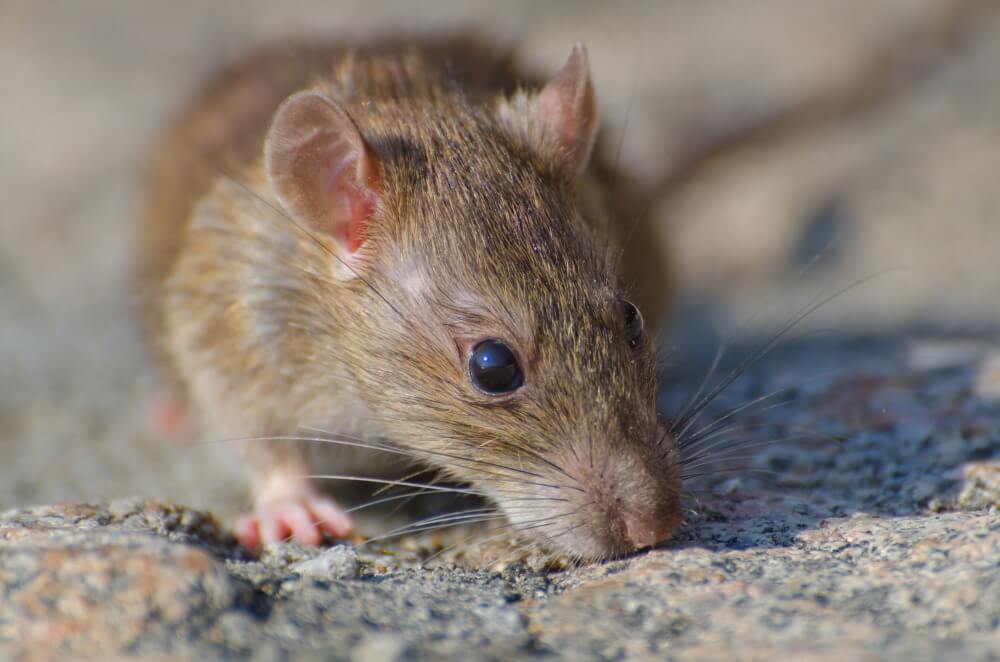
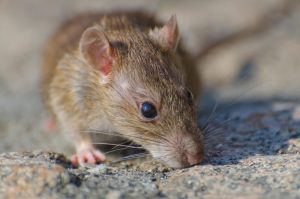
Mice and rats leave more than droppings. Greasy travel marks, gnawed packages, shredded nesting material, and nighttime movement can reveal where they feed and hide. Their teeth may damage wiring and stored goods, while urine, saliva, and contaminated materials introduce avoidable sanitation and health concerns into occupied buildings.

Silverfish
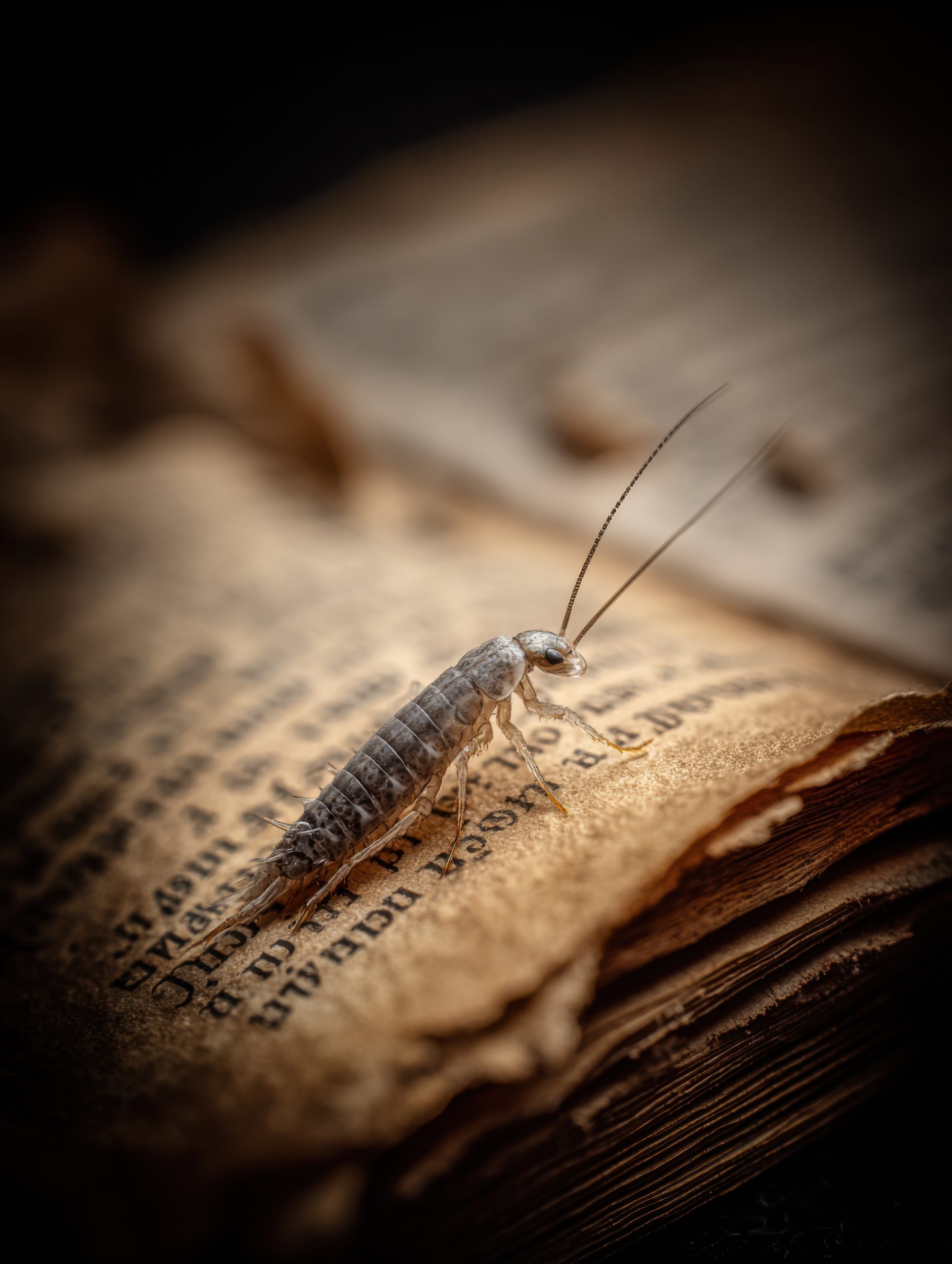
A tapered, scale-covered body and three bristle-like tails identify silverfish. They remain active in quiet, humid spaces such as basements, cabinets, archives, and storage rooms. Starch-based materials provide food, putting book bindings, paper records, wallpaper paste, cardboard, dry goods, and some fabrics at risk.

Spiders
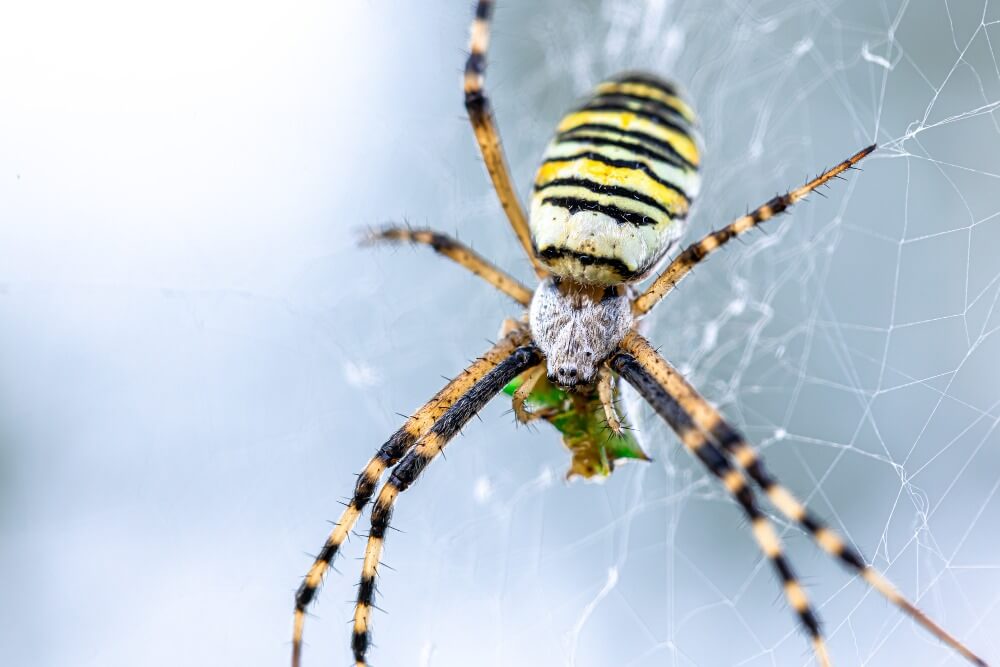
Eight legs place spiders among the arachnids, but web shape, body form, and hunting style vary considerably. Most indoor species prey on insects and cause little direct harm. Still, repeated webs or egg sacs around a building may signal steady prey activity, neglected harborages, or open entry routes.

Termites
Subterranean termites work from soil or concealed shelter tubes, so damage may progress without an obvious insect in view. Swarmers have straight antennae and wings of nearly equal length. Colonies consume cellulose in framing and other materials, creating costly structural loss before hollowed wood or swarming activity exposes them.

Wasps
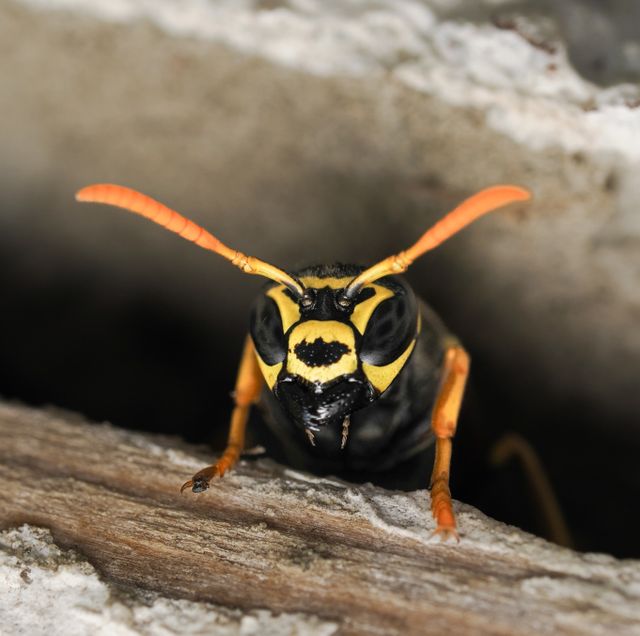
Paper wasps often suspend open, comb-shaped nests beneath eaves, rails, signs, and other sheltered surfaces. Their narrow bodies and long legs differ from the stockier shape of yellow jackets. Away from a nest, they hunt insects; close to the colony, repeated stings become the primary concern.

Yellow Jackets
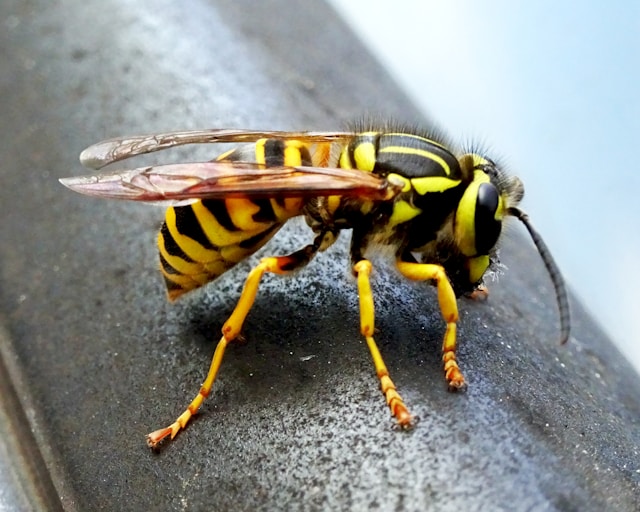
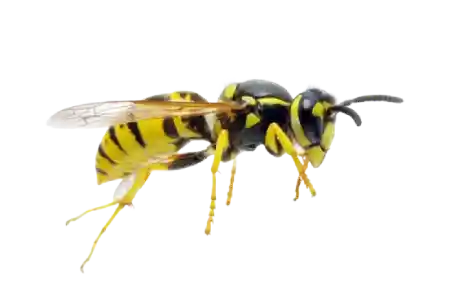
Yellow jackets are compact social wasps that commonly disappear into soil holes, wall gaps, attics, or other enclosed cavities. Workers defend these hidden colonies aggressively and can sting more than once. Late-season foraging around trash, drinks, outdoor meals, and busy entrances often brings them into direct conflict with people.
Our Pest Control Process In 3 Easy Steps

Start Where Something Changed
First, our pest control Miami Valley pros listen to what changed and walk the trouble spots. Droppings, webbing, gnawing, moisture, nest traffic, and small openings help us understand what settled there and how it moves.

Use The Method That Fits
The plan grows from those findings, not a preset spray route. Baits, traps, focused applications, heat, nest work, or exclusion are chosen only when the evidence supports each choice onsite.

Close Out The Easy Return Routes
Before leaving, we explain what should change, what may still appear briefly, and which repairs, cleanup, moisture corrections, or recurring visits could keep the same pest from rebuilding there again.
Serving Miami Valley, OH, and the Surrounding Southwestern Communities
Allen County Pest Control
- Elida
- Fort Shawnee
- Lima
- Spencer
- See all towns we serve here
See Our Location
Auglaize County Pest Control
- New Bremen
- New Knoxville
- St. Marys
- Wapakoneta
- See all towns we serve here
See Our Location
Champaign County Pest Control
- Christiansburg
- Mechanicsburg
- St. Paris
- Urbana
- See all towns we serve here
See Our Location
Clark County Pest Control
- Donnelsville
- Enon
- New Carlisle
- Springfield
- See all towns we serve here
See Our Location
Darke County Pest Control
- Ansonia
- Bradford
- Greenville
- Versailles
- See all towns we serve here
See Our Location
Greene County Pest Control
- Beavercreek
- Fairborn
- Kettering
- Yellow Springs
- See all towns we serve here
See Our Location
Mercer County Pest Control
- Celina
- Chickasaw
- Fort Recovery
- St. Henry
- See all towns we serve here
See Our Location
Miami County Pest Control
- Covington
- Piqua
- Tipp City
- Troy
- See all towns we serve here
See Our Location
Shelby County Pest Control
- Anna
- Minster
- Port Jefferson
- Sidney
- See all towns we serve here
See Our Location
Montgomery County Pest Control
- Centerville
- Dayton
- Huber Heights
- Vandalia
- See all towns we serve here
See Our Location
Frequently Asked Questions
What pests does Midwest Pest & Wildlife Control handle?
Our Miami Valley, OH, pest control techs handle common indoor and outdoor pests, including ants, cockroaches, crickets, earwigs, mice, mosquitoes, pill bugs, silverfish, and spiders. Specialty services cover bed bugs, carpenter bees, fleas, hornets, termites, wasps, and yellow jackets, with treatment matched to the pest involved.
Can I book one treatment instead of a recurring plan?
Yes. A one-time visit may suit a current nest, colony, or indoor invasion. Properties with recurring pressure can use monthly, every-other-month, seasonal, or annual protection. We recommend the schedule after considering the pest, property history, and how much ongoing coverage makes sense.
Are the treatments safe around children and pets?
Our pest expert applies professional products carefully and explains any precautions before work begins. Treated areas are considered safe for people and pets once dry. Because specialty services may require different preparation or reentry steps, follow the instructions provided for your particular appointment.
Will everyone need to leave during pest control service?
Most standard general pest treatments do not require you to leave. Bed bug, flea, mite, and fogging services may require people and pets to remain away for several hours. We explain preparation, drying, and reentry timing beforehand so there are no last-minute surprises.
How much does professional pest control cost?
Service cost depends on the pest, the size and layout of the property, the level of activity, and whether one-time or recurring work is needed. Our local exterminators assess the situation before pricing it, so the recommendation reflects the actual job rather than a flat, oversized package.
How quickly can an appointment be scheduled?
Same-day service may be possible when the day’s schedule and travel route have room. Midwest Pest & Wildlife Control is open daily from 7 a.m. to 7 p.m. Calling earlier gives us a better chance of arranging a prompt appointment, though availability can vary.
What happens if the original pest problem comes back?
Completed services carry a 30-day warranty. When the original covered problem returns during that period, contact us so we can review the activity. Customers enrolled in recurring service may receive additional follow-up treatments when needed without another charge for that covered concern.
How far outside Piqua does your team travel?
The routes of our pest control company extend through 11 Western Ohio counties, including Miami, Allen, Auglaize, Champaign, Clark, Darke, Greene, Logan, Mercer, Montgomery, and Shelby. Piqua is our home base, but we regularly serve homes and businesses throughout the broader Miami Valley and neighboring communities in Southwestern Ohio.
Stop Giving Pests More Time To Settle In!
Call Midwest Pest & Wildlife Control now for a practical plan built around your pest problem.