What to do about hornets in your home
- Updated: December 15, 2025
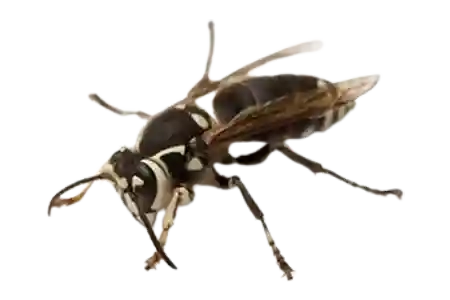
Hornets are one of the most concerning stinging pests for homeowners in the Miami Valley. Their size, aggressive behavior when defending a nest, and ability to deliver painful stings make them a serious threat around homes and yards. Hornets become especially active during the warm months in southwestern Ohio, and their nests can grow large enough to create danger for anyone nearby. Understanding the risks hornets bring, their behavior patterns, and the early signs of nest activity helps you decide when to take action before the situation becomes hazardous.
The danger and risk hornets create around your home
Hornets are far more aggressive than most other stinging insects. They defend their nests forcefully, and a single disturbance can cause multiple hornets to attack. Their stings are painful and can cause swelling, allergic reactions, and in some cases, medical emergencies. Families with children, pets, or individuals with sting sensitivities face higher risk.
Hornets build large papery nests that may house hundreds of insects by late summer. These nests can appear under roof eaves, inside wall voids, in attic spaces, around sheds, in trees, or behind shutters. When hornets nest close to entryways, decks, or outdoor work areas, the danger increases significantly. Their sharp, rapid movements and ability to sting repeatedly create a stressful environment that limits how comfortably you can use your yard or porch.
Another risk is accidental disturbance. Mowing, trimming bushes, gardening, or opening attic spaces can provoke a defensive swarm. Each additional sting increases the level of danger, especially for those who react strongly.
Hornet behavior patterns in the Miami Valley
Hornets in southwestern Ohio become active in late spring when the queens emerge and begin building new nests. As temperatures rise, the colony grows steadily. Workers expand the nest, forage for food, and defend the structure from perceived threats. The Miami Valley’s mix of wooded areas, residential neighborhoods, and older home structures provides many ideal nesting locations.
Activity peaks from mid summer through early fall. During this time, hornet colonies reach their largest size, and aggressive behavior becomes more common. As food sources shift later in the season, hornets may become more visible around outdoor meals, trash areas, and fallen fruit. Storms or sudden weather changes can also cause hornets to become more active as they work to protect or repair the nest.
In late fall, hornet colonies die off naturally, but the queen survives to start a new nest the following year. This means old nests do not get reused, but new nests often appear in the same areas year after year if conditions remain suitable.
Signs that hornets have established themselves
Seeing large, fast moving hornets frequently around your home is usually the first sign of nearby nest activity. Hornets tend to fly in direct, purposeful lines rather than wandering the way bees do. If you notice a steady pattern of hornets entering and exiting the same location, there is almost certainly a nest nearby.
You may find a papery, grayish nest attached under roof edges, in trees, or behind shutters. In some cases, the nest is hidden in wall voids or attic spaces, and you may hear a faint buzzing or rustling sound inside the structure. Increased hornet presence near trash cans or outdoor eating areas also suggests a growing colony.
When you should take action
You should take action as soon as you notice repeated hornet activity or spot a nest. Hornet colonies grow quickly, and the danger increases as the population expands. Store bought sprays are risky to use and rarely effective on large or hidden nests. Approaching a nest without the right protective equipment can result in multiple stings.
If a nest is near an entrance, walkway, children’s play area, or any place where people spend time, the threat is too high to ignore. Hornets defend aggressively, and even a small disturbance can lead to a swarm. Removing a nest safely requires the right tools, protective gear, and understanding of hornet behavior.
The right next step
If you suspect hornets are nesting around your home, the best step is to contact Midwest Pest and Wildlife Control. We locate the nest, assess the level of activity, and remove the colony safely and effectively. Professional treatment reduces the risk of stings, protects your family, and restores peace around your yard and home.