What to do about Silverfish in your home
- Updated: December 15, 2025
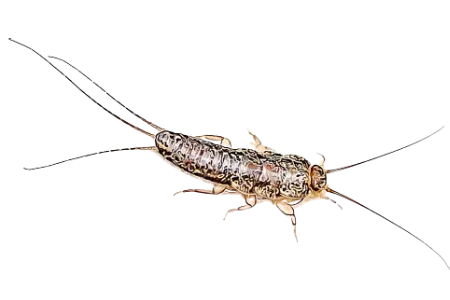
Silverfish are a common nuisance pest in Miami Valley homes, especially in places where humidity stays high. Their quick, darting movements and tendency to hide in dim spaces make them hard to catch and even harder to eliminate without a full plan. While silverfish do not bite or spread disease, they can damage household items and multiply quietly over time. Southwestern Ohio provides the warm, moist conditions silverfish prefer, and once they establish themselves, they often spread from one room to another. Understanding their behavior, the risks they bring, and when to take action helps you stay ahead of an infestation.
The problems silverfish cause inside your home
Silverfish feed on starchy materials. This includes books, paper, cardboard, wallpaper glue, photographs, envelopes, flour, cereals, pasta, linens, and even the sizing on clothing. They chew irregular holes into these items, leaving behind damage that homeowners often do not notice until it becomes widespread. In storage areas, silverfish can ruin keepsakes, paperwork, or stored clothing.
Their presence also signals a moisture problem. Silverfish thrive in damp environments, so their activity often overlaps with mold, mildew, or other moisture loving pests like centipedes and pill bugs. While silverfish do not pose a direct health threat, they contaminate food when they invade pantries, and the damage they cause to belongings can be costly and frustrating.
Silverfish behavior patterns in the Miami Valley
Silverfish are most active in warm, humid conditions. The Miami Valley sees high humidity throughout much of the year, and this allows silverfish populations to thrive in certain homes. Basements, bathrooms, laundry rooms, crawl spaces, and attics are common hiding places.
In southwestern Ohio, silverfish activity increases during late spring, summer, and early fall. Older homes with natural moisture issues or homes with poor ventilation are especially vulnerable. Silverfish hide in cracks, behind baseboards, under sinks, inside wall voids, and within stored boxes. They move fast and prefer darkness, which means homeowners rarely see them during the day.
If silverfish find food sources and moisture, they reproduce steadily. Their eggs are small and hidden deep in crevices, making it difficult to remove them without targeted treatment.
Signs that silverfish have established themselves
Seeing silverfish dart across the bathroom floor or scurry away when you open a storage box is the most obvious sign of activity. Other indicators include:
• Small, irregular holes in books, papers, or cardboard
• Damage to stored clothing or linens
• Yellowish stains or pepper like droppings near damaged items
• Silverfish sightings in basements, around drains, or behind appliances
Because they move quickly, homeowners often see only a flash of movement as they duck into cracks or crevices. Repeated sightings usually mean there are many more hidden elsewhere.
When you should take action
You should take action as soon as you see silverfish on a regular basis or find signs of material damage. Store bought sprays may kill visible insects but rarely reach the hidden areas where silverfish lay eggs. Moisture problems also need to be addressed. Without fixing the environment that supports silverfish, the infestation will continue.
Delaying treatment allows silverfish to spread into more parts of the home, damage stored items, and contaminate pantry goods. If you notice them in multiple rooms, the infestation is already well established.
The right next step
If silverfish are showing up in your Miami Valley home, the best thing to do is contact Midwest Pest and Wildlife Control. We locate the source of the infestation, treat the areas where silverfish hide, and address the moisture conditions that allow them to thrive. Professional service restores comfort, protects your belongings, and stops the spread of silverfish throughout your home.