What to do about termites in your home
- Updated: December 15, 2025
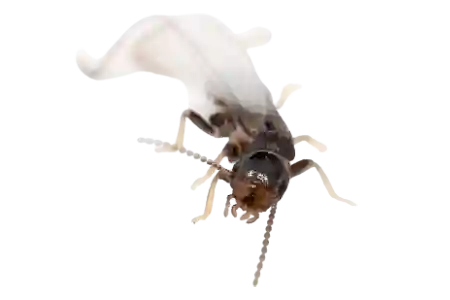
Termites are one of the most destructive pests a homeowner in the Miami Valley can face. Unlike many insects that create nuisance or mild damage, termites quietly eat away at the wooden structure of your home. They work around the clock, remain hidden, and can cause significant structural problems long before you ever see a single insect.
Southwestern Ohio homes are vulnerable to termite activity, especially during warm, moist months. Understanding the risks, their behavior, and the early warning signs is essential, because delaying action allows termites to cause extensive and costly damage.
The danger and risk termites create inside your home
Termites feed on cellulose, which means they target wood framing, support beams, subfloors, window frames, door frames, and even drywall. They hollow out structural elements from the inside, leaving the outer surface intact. This makes termite damage difficult for homeowners to detect without training or specialized tools.
Over time, termites weaken the stability of the home. Floors may sag, doors stop closing properly, and entire sections of structural wood can become compromised. Repairs are often expensive, and insurance policies rarely cover termite damage.
Termites also spread quickly. A single colony can contain tens of thousands of insects, and some colonies produce winged swarmers that start new colonies on the same property. Once termites establish themselves, they continue feeding nonstop unless treated professionally. The longer they remain undetected, the more widespread the damage becomes.
Termite behavior patterns in the Miami Valley
The Miami Valley is home to subterranean termites, which live underground and build mud tubes to reach above ground food sources. These termites thrive in warm, humid environments, and southwestern Ohio provides ideal conditions during spring, summer, and early fall.
Termite activity increases sharply in spring when swarmers emerge. Homeowners often mistake swarmers for flying ants, but they are a clear sign that a nearby colony is mature and expanding. Subterranean termites rely on soil moisture, so homes with poor drainage, clogged gutters, mulch against the foundation, or leaking pipes are at higher risk.
Once termites find a suitable food source inside your home, they create hidden tunnels within the wood and remain active all year. Even during colder months, they stay warm enough underground to continue feeding.
Signs that termites have established themselves
Termite activity is often subtle. Many homeowners notice signs of structural damage before noticing the insects themselves. Key indicators include:
• Mud tubes along foundation walls, beams, or basement surfaces
• Soft or hollow sounding wood
• Doors or windows that suddenly become difficult to open
• Bubbling or uneven paint that mimics water damage
• Small piles of wings left behind by swarmers
• Wood that breaks apart easily or crumbles when pressed
Winged swarmers inside the home are one of the strongest signs of an active termite colony nearby. Even one or two swarmers indoors means termites may already be feeding within the walls or floors.
When you should take action
You should take action at the first sign of termite activity. Termites do not go away on their own, and they do not slow down without treatment. Store bought sprays or DIY products cannot reach the colony underground and do nothing to stop the continuous feeding.
Waiting even a few weeks can lead to major structural damage. Because termites remain hidden, homeowners often underestimate the severity of the infestation until the repairs become costly.
The only effective response is professional treatment that targets both the colony and the conditions that allow termites to thrive.
The right next step
If you see signs of termites in your home, the best thing to do is contact Midwest Pest and Wildlife Control. We identify the extent of the infestation, locate the colony, and use proven treatment methods that eliminate termites at the source. Professional protection prevents additional damage, preserves the safety and value of your home, and gives you peace of mind.