What to do about wasps in your home
- Updated: December 15, 2025
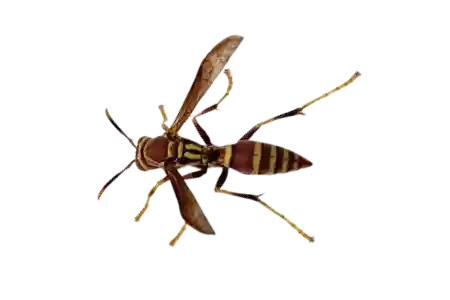
Wasps are a stressful and sometimes dangerous pest for homeowners in the Miami Valley. Their fast movements, painful stings, and ability to build nests in hidden or high traffic areas make them a serious concern. Southwestern Ohio experiences heavy wasp activity during warm months, and once a nest is established on your property, the risk of accidental stings rises sharply. Understanding wasp behavior, the dangers they create, and the early warning signs helps you take action before the colony grows and becomes more aggressive.
The danger and risk wasps create around your home
Wasps are territorial insects that defend their nests aggressively. Even a small disturbance, such as mowing the lawn, trimming bushes, or opening a shed, can provoke a defensive response. Their stings are painful and can cause swelling, hives, and allergic reactions. Individuals with sting sensitivities face a greater risk of severe reactions.
Wasps build papery nests that can house dozens or even hundreds of insects by late summer. These nests may appear under roof eaves, inside wall voids, in attics, behind shutters, under decks, inside grill covers, in sheds, or inside outdoor play structures. Their presence limits how comfortably you can use your yard or porch.
Some wasps are scavengers and become especially active around outdoor meals, trash bins, and sugary drinks. This increases the likelihood of unexpected encounters. As colonies grow, wasps become more protective and more aggressive, which heightens the danger for families and pets.
Wasp behavior patterns in the Miami Valley
In southwestern Ohio, wasps become active in early spring when queens emerge from overwintering sites. These queens search for sheltered areas to begin new nests. As temperatures warm, the first workers appear, and the colony grows steadily.
Wasp activity peaks in midsummer and continues through early fall. During this period, homeowners often see wasps hovering near eaves, gutters, deck boards, or exterior vents. The Miami Valley’s mix of wooded areas, residential neighborhoods, and older structures provides many ideal nesting sites.
As the season progresses, food sources shift. Wasps become more aggressive and more visible when natural food supplies decline. This is when they show up around trash cans, fruit trees, outdoor gatherings, and patios. Weather changes, such as sudden heat waves or storms, can also trigger bursts of wasp activity.
Signs that wasps have established themselves
The most obvious sign of a wasp problem is the presence of a nest. Nests vary in size and shape depending on the species. Some build exposed papery nests under eaves, while others build covered nests in voids or underground.
Other warning signs include:
• Wasps repeatedly flying in and out of the same area
• Increased wasp activity near windows, decks, or roof edges
• Buzzing sounds behind siding or inside walls
• Wasps gathering around outdoor food or trash
If you see more than a few wasps in one location on a regular basis, there is likely a nest nearby.
When you should take action
You should take action as soon as you see wasps gathering in one area or notice the start of a nest. Small nests grow quickly, and the more workers a colony produces, the harder and more dangerous it becomes to remove.
Store bought sprays may kill some wasps but often do not reach the entire nest, especially if the nest is inside a wall or attic. Approaching a nest without proper safety equipment is risky, and even one disturbed wasp can alert the entire colony. Wasps are capable of stinging multiple times, which increases the danger.
If you see wasps near entrances, high traffic walkways, play areas, or outdoor living spaces, the situation requires immediate attention to prevent accidental stings.
The right next step
If wasps are building nests around your home or becoming a frequent presence, the best thing to do is contact Midwest Pest and Wildlife Control. We locate the nest, remove it safely, and treat the area to prevent wasps from returning. Professional service protects your family from stings and restores comfort to your yard and outdoor spaces.