What to do about yellow jackets in your home
- Updated: December 15, 2025
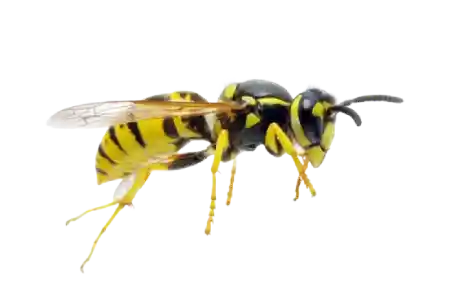
Yellow jackets are one of the most aggressive stinging pests homeowners encounter in the Miami Valley. Their fast movements, painful stings, and habit of defending their nests without hesitation make them a serious threat around homes, garages, and yards. Southwestern Ohio sees heavy yellow jacket activity from late spring through early fall, and once a colony becomes established, the danger increases quickly. Understanding their behavior, the risks they pose, and the early warning signs helps you know when it is time to take action.
The danger and risk yellow jackets create around your home
Yellow jackets are far more aggressive than most other wasps. They defend their nests fiercely and can sting multiple times. Disturbing a nest, even accidentally, can lead to dozens of yellow jackets attacking at once. Their stings are painful, often causing swelling, redness, and itching. For individuals with sting allergies, a single encounter can become a medical emergency.
Yellow jackets build colonies that may contain hundreds or even thousands of insects by late summer. These colonies can form in wall voids, attics, ground burrows, shed roofs, and behind siding. Their presence near porches, decks, yard equipment, or children’s play areas creates a constant safety risk.
Another concern is their attraction to food. Yellow jackets are scavengers. They become especially aggressive around outdoor meals, trash cans, grills, and sugary drinks. As their natural food sources decline in late summer, they become bolder and more persistent around people, which increases the chance of stings.
Yellow jacket behavior patterns in the Miami Valley
In southwestern Ohio, yellow jacket queens emerge in spring and begin searching for nesting sites. Once a nest is established, workers quickly multiply, and activity increases steadily throughout the summer. By midsummer, colonies reach full strength, and yellow jackets become more protective of their nest.
Yellow jackets commonly nest in the ground, under porch steps, inside retaining walls, or in abandoned rodent burrows. They also nest inside structures, including wall cavities, soffits, and attic spaces. Homeowners in the Miami Valley often encounter them near sheds, garages, and landscaping features.
Late summer and early fall bring the highest levels of aggression. As temperatures fluctuate and food becomes scarce, yellow jackets become more active around people. The Miami Valley’s warm days, cool nights, and outdoor gatherings create ideal conditions for increased encounters.
Signs that yellow jackets have established themselves
Repeated sightings of yellow jackets in the same location are the first signs of a nearby nest. If you watch carefully, you may see them entering and exiting a small opening in the ground, wall, or structure. This steady traffic is a strong indicator that a colony is active.
Other signs include:
• Loud buzzing or movement inside walls or ceilings
• Yellow jackets gathering around trash cans or outdoor food
• A sudden increase in stings or close encounters outdoors
• Visible nests in shrubs, under decks, or inside sheds
Ground nests are often discovered accidentally, which makes them especially dangerous when mowing, trimming, or gardening.
When you should take action
You should take action as soon as you notice yellow jackets repeatedly visiting one area or see the beginning of a nest. Colonies grow rapidly, and the larger they become, the more dangerous they are to remove. Store bought sprays may kill some yellow jackets but often do not reach the entire colony, especially when the nest is underground or hidden inside a wall.
Approaching a yellow jacket nest is extremely risky. If even a single worker believes the nest is threatened, it releases a chemical signal that causes the rest of the colony to attack. Because yellow jackets can sting multiple times, the risk of injury is significant.
The right next step
If yellow jackets are active on your property or inside your home, the best thing to do is contact Midwest Pest and Wildlife Control. We locate the nest, remove the colony safely, and treat the area to prevent reestablishment. Professional removal protects your family from stings and restores safety to your yard and outdoor spaces.