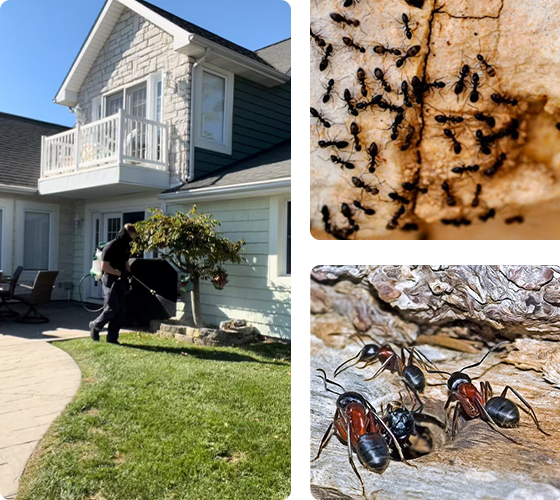



Residential Pest Control
Residential pest service takes place inside the rooms families use every day. We work carefully around belongings and explain what homeowners should expect while treatment is underway inside their home.

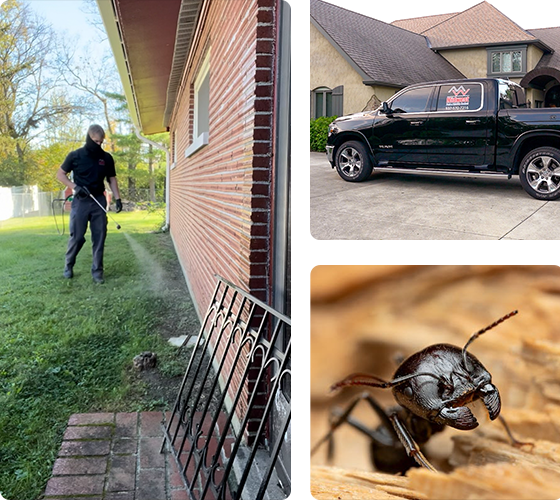
Commercial Pest Control
Business owners need everyone to understand what happens after pest service. We explain which areas received treatment and what staff should report if fresh signs appear before future scheduled visits.
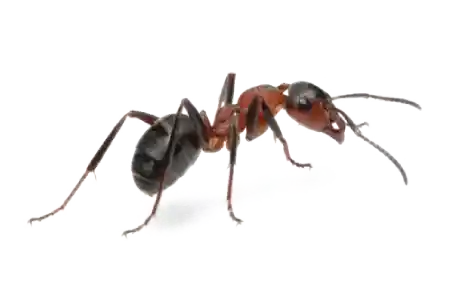
Ant Control
Ant trails along baseboards often lead back to a nearby colony. Technicians identify the species first. They then trace its route and target the nesting area rather than spraying workers.
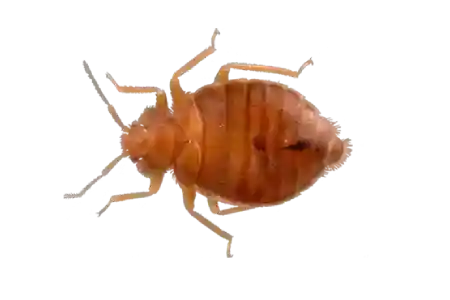
Bed Bug Control
Bed bugs often arrive on luggage before slipping into mattress seams or furniture joints. A careful inspection finds their hiding places and shows what preparation is needed before treatment begins.
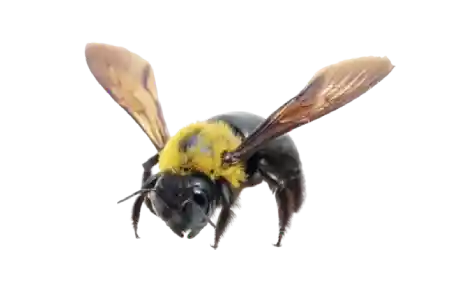
Carpenter Bee Control
Carpenter bees require attention to damaged wood. Their round holes lead into nesting tunnels, where direct treatment helps prevent fresh drilling and additional surface wear.

Centipede Control
Centipedes often appear in damp rooms because other insects are nearby. Reducing moisture and sealing entry gaps makes basements or bathrooms less inviting and lowers the chance of another sighting.
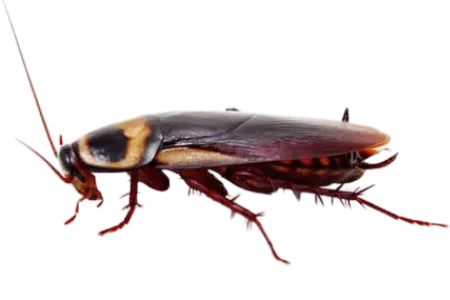
Cockroach Control
Seeing one roach means others are tucked away nearby. Midwest Pest & Wildlife Control tracks where they are gathering, deals with those spots, and helps cut off food and water.
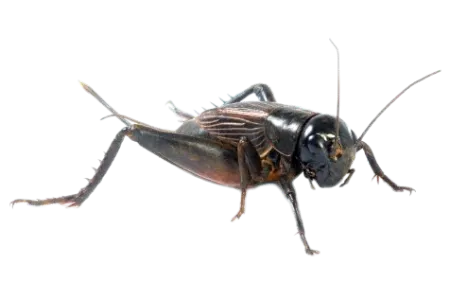
Cricket Control
Crickets often slip through gaps near doors or foundations when outdoor conditions change. Service targets where they gather and addresses openings that keep bringing their noise back inside each season.
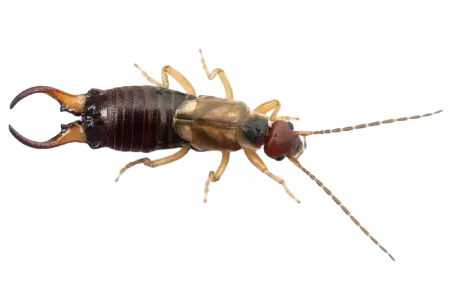
Earwig Control
Rain often pushes earwigs from damp mulch toward doors and foundations. Our pest experts find where they hide, reduce moisture nearby, and close the routes bringing them inside after storms.

Flea & Mite Control
Fleas and mites may arrive on pets or wildlife before settling into fabrics and nesting material. We trace the source first, then address rooms and explain the cleaning needed afterward.
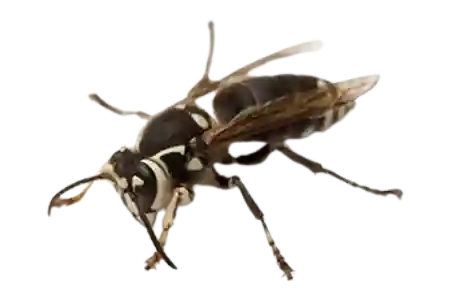
Hornet Control
Hornet nests near rooflines or busy yards can become dangerous quickly. Our technicians confirm the colony’s location and remove it carefully, keeping property owners away from unnecessary risk during service.
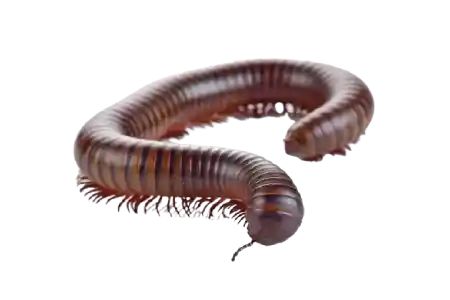
Millipede Control
Heavy rain often drives millipedes from soaked ground toward foundations. We begin outside, reducing damp shelter and correcting the conditions that keep sending them into basements or entryways after storms.
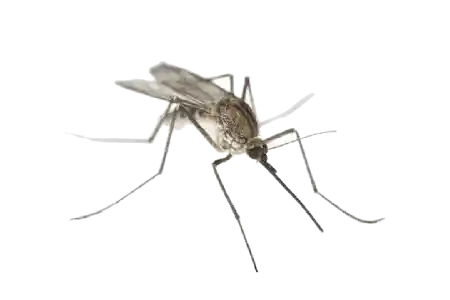
Mosquito Control
Mosquitoes breed wherever rainwater lingers unnoticed. We find those damp pockets and treat shaded resting areas, helping reduce backyard activity during warmer months and between scheduled visits all summer long.
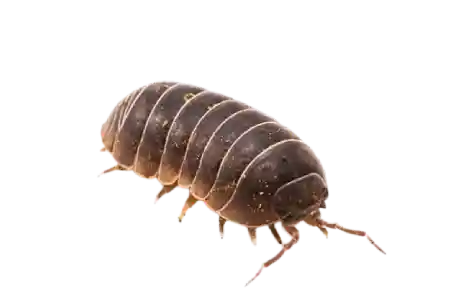
Pill Bug Control
Heavy rain sends pill bugs crawling from soaked mulch toward the house. We reduce damp shelter nearby and close the routes they use to slip indoors afterward.
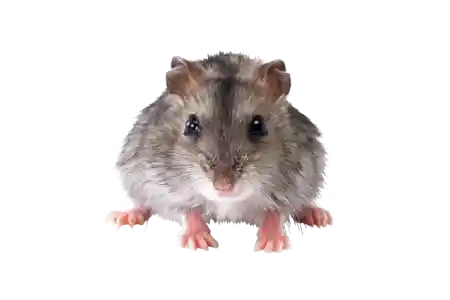
Rodent Control
Mice and rats often enter through openings no wider than a coin. We follow droppings and gnaw marks to place controls correctly and identify gaps that need sealing first outside.
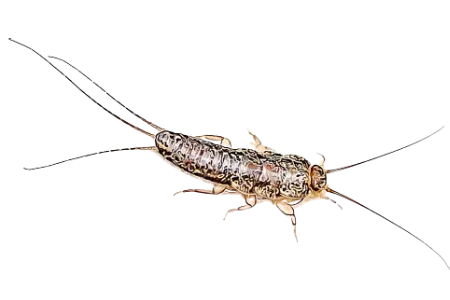
Silverfish Control
Silverfish prefer humid rooms where paper and cardboard sit undisturbed. Finding their hiding places helps us address excess moisture so basements and storage areas become less inviting over time indoors.
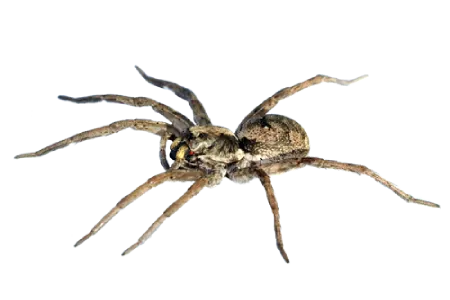
Spider Control
Spiders settle where other insects provide an easy meal. Web removal clears current activity, while reducing prey and sheltered corners gives them fewer reasons to return to the property again.
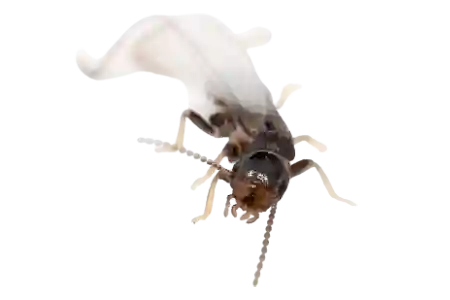
Termite Control
Termite control begins with evidence. Inspectors check soil-built tubes and weakened wood, then explain what they found before recommending further action for the property.
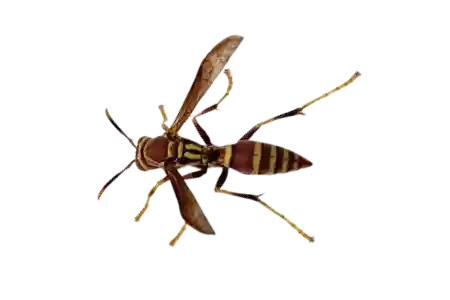
Wasp Control
Wasps sometimes build behind siding or beside entrances, placing the nest close to everyday foot traffic. We trace their flight path first, then remove the colony while limiting unnecessary disturbance.
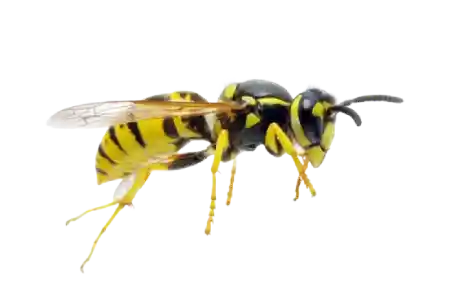
Yellow Jacket Control
Yellow jackets grow more defensive as summer ends and may nest underground near busy yards. We locate the colony carefully before removal, reducing contact around walkways and outdoor gathering areas.

Inspect and Identify
We inspect ant trails and likely nesting areas before recommending treatment. Moisture and entry gaps also matter. Correct identification helps our local ant exterminators choose methods suited to the colony.

Treat the Colony
Treatment depends on the ant and nest location. Baits may be placed where trails develop, while crack-and-crevice or exterior work addresses activity beyond the visible workers inside homes when needed.

Review Results
After treatment, we explain changes that can reduce food access and moisture around the property. Our service guarantee provides clear next steps when ant activity continues or returns after service.
 Ryan has done flea control at my dads house and today took care of termites. I would recommend him 100%. Local company and backs up with a warranty! If anyone has any bug issues call Ryan!
Ryan’s service was exceptional! He is very professional and took the time to answer all of our questions. We would definitely use his services again if needed.
Ryan was very professional and extremely responsive. He even came out to the house on a Sunday to treat our wasp problem. We will definitely use his business again in the future.
Ryan was very professional and had impeccable communication. He was thorough when explaining the process and was always willing to answer any questions I had.
Ryan was professional, friendly, and highly knowledgeable in his field. He was thorough answering every question I had and very assuring regarding pet and children safety …
Great experience! Worked diligently to get our pest situation resolved and kept us informed every step of the way. Went the extra mile to make sure we were satisfied. …
Ryan has done flea control at my dads house and today took care of termites. I would recommend him 100%. Local company and backs up with a warranty! If anyone has any bug issues call Ryan!
Ryan’s service was exceptional! He is very professional and took the time to answer all of our questions. We would definitely use his services again if needed.
Ryan was very professional and extremely responsive. He even came out to the house on a Sunday to treat our wasp problem. We will definitely use his business again in the future.
Ryan was very professional and had impeccable communication. He was thorough when explaining the process and was always willing to answer any questions I had.
Ryan was professional, friendly, and highly knowledgeable in his field. He was thorough answering every question I had and very assuring regarding pet and children safety …
Great experience! Worked diligently to get our pest situation resolved and kept us informed every step of the way. Went the extra mile to make sure we were satisfied. …