


Residential Pest Control
Homes get checked around porch steps, vents, garages, crawl openings, siding gaps, sheds, and yard edges where pests settle.

Commercial Pest Control
Busy properties need pest work around trash areas, doors, stockrooms, break spaces, customer routes, and exterior gathering spots.
Ant Control
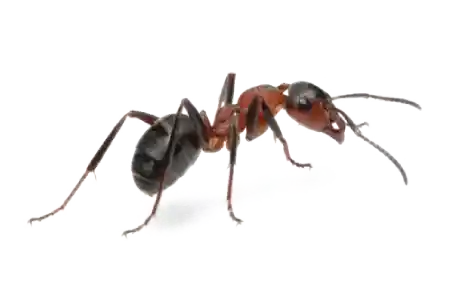
Ant trails often begin outside the room. We follow moisture, food access, pavement cracks, mulch, and nesting pressure.
Bed Bug Control
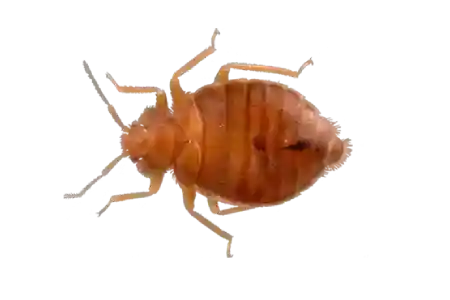
Bed bugs tuck into quiet seams and furniture joints. We inspect sleeping areas, nearby cracks, and fabric edges first.
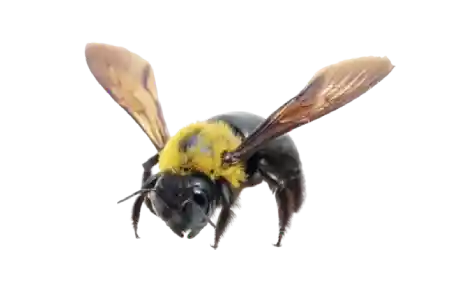
Carpenter Bee Control
Carpenter bees drill into exposed wood. We check fascia, rails, trim, decks, and the round holes they reuse.

Centipede Control
Centipedes usually point to damp shelter. We check lower rooms, drains, crawl spaces, utility corners, and foundation cracks.
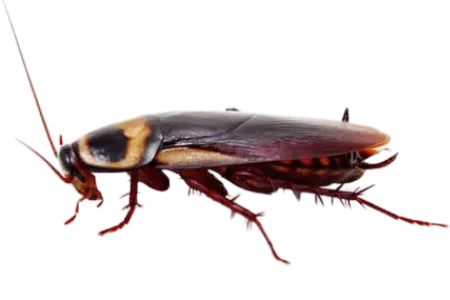
Cockroach Control
Roaches stay near heat, water, grease, and darkness. We inspect cabinets, appliances, drains, gaps, and breeding spots.
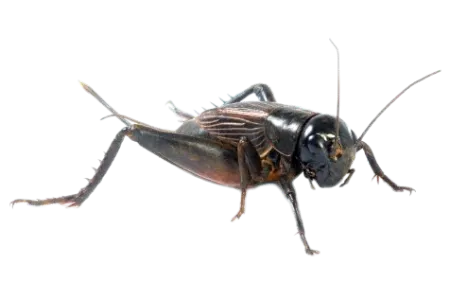
Cricket Control
Crickets often enter through lower gaps. We check basement edges, garage doors, clutter, lights, and outside cover.
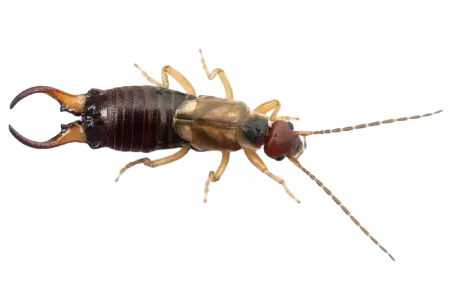
Earwig Control
Earwigs favor wet hiding places. Mulch, bathrooms, foundation seams, leaf piles, and basement edges get closer attention.
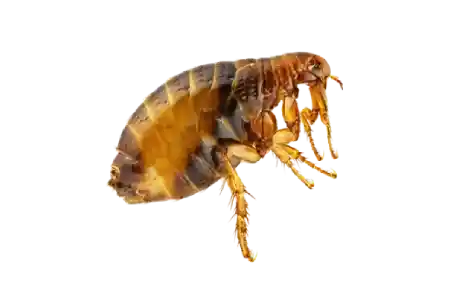
Flea & Mite Control
Fleas and mites can involve pets, fabrics, furniture, wildlife, or bedding. We treat the places contact keeps happening.
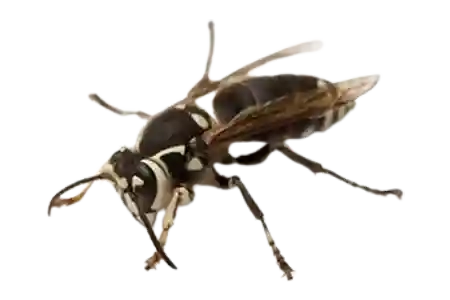
Hornet Control
Hornet activity near trees, rooflines, porches, or work areas needs caution. We locate the nest before treatment.
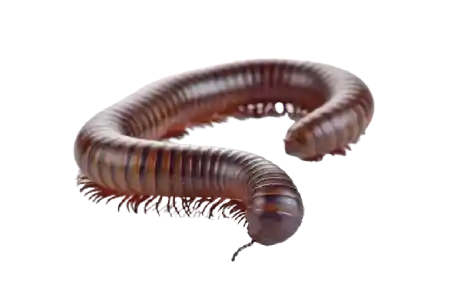
Millipede Control
Millipedes move after moisture changes. We inspect damp mulch, door thresholds, lower walls, foundation edges, and basement access.
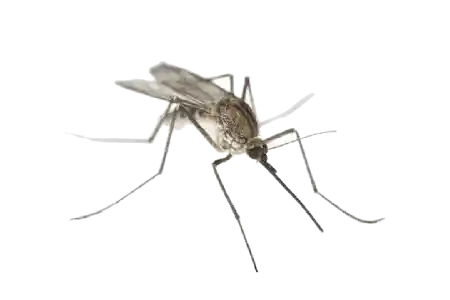
Mosquito Control
Mosquitoes use shade and standing water. We check gutters, containers, low spots, thick growth, and yard resting areas.
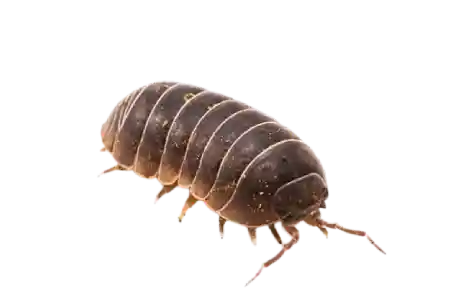
Pill Bug Control
Pill bugs collect around damp soil, rotting boards, mulch, and foundation seams. We treat the draw, not just sightings.

Rodent Control
Mice usually leave the story behind. Droppings, chewing, nesting bits, wall noise, and gaps show the route.
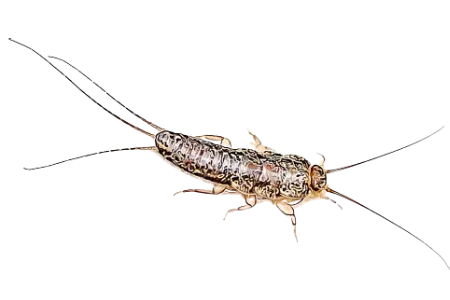
Silverfish Control
Silverfish turn up around paper, cardboard, humidity, closets, bathrooms, and basements. We treat quiet hiding areas.
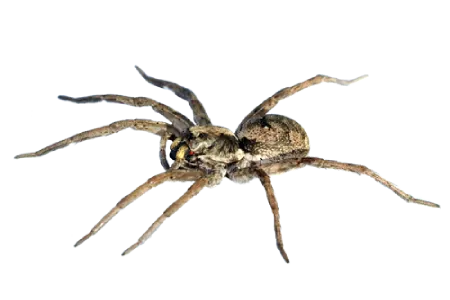
Spider Control
Spiders often settle where insects collect. We remove webbing, treat shelter points, and inspect the corners left alone.
Termite Control
Termite work begins with evidence. We check damaged wood, moisture, tubes, soil contact, and structural warning signs.
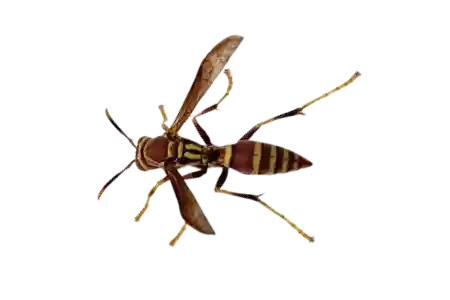
Wasp Control
Wasps around eaves, rails, siding, decks, or wall openings can become defensive. We treat active nesting areas.
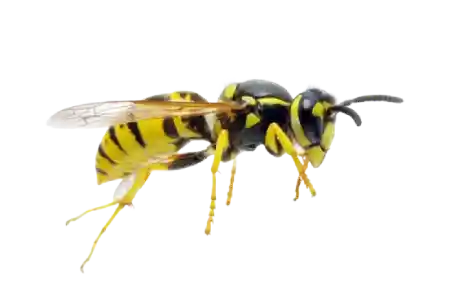
Yellow Jacket Control
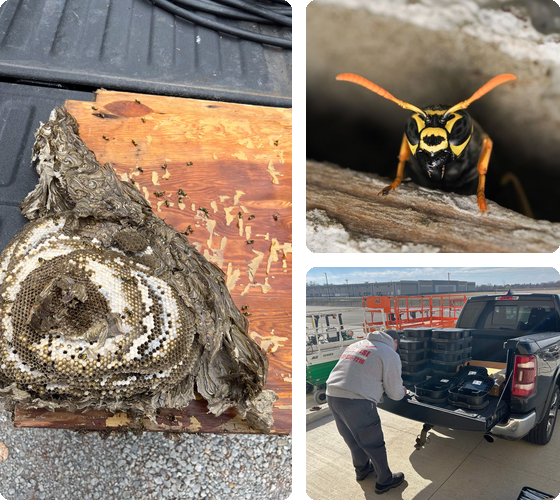
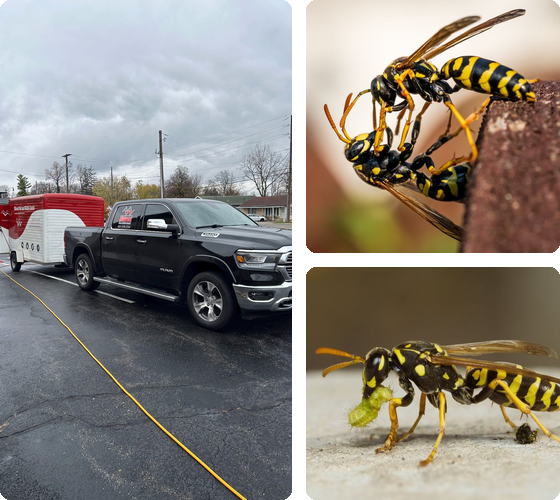
Yellow jackets may use ground holes, walls, or hidden voids. Our yellow jacket control Miami Valley pros find the colony path before disturbing it.

Follow The Flight Line
We watch where yellow jackets enter and leave, then check soil holes, siding seams, deck edges, wall gaps, sheds, and nearby foot traffic.

Treat The Colony Site
Treatment is aimed at the active nest route, not random flying insects. Placement depends on nest location, access, risk, and surrounding use.

Lower The Next Risk
After service, our yellow jacket control Miami Valley, OH, team points out food waste, open drinks, fallen fruit, cracks, ground openings, or storage areas that may keep attracting activity.
 Ryan has done flea control at my dads house and today took care of termites. I would recommend him 100%. Local company and backs up with a warranty! If anyone has any bug issues call Ryan!
Ryan’s service was exceptional! He is very professional and took the time to answer all of our questions. We would definitely use his services again if needed.
Ryan was very professional and extremely responsive. He even came out to the house on a Sunday to treat our wasp problem. We will definitely use his business again in the future.
Ryan was very professional and had impeccable communication. He was thorough when explaining the process and was always willing to answer any questions I had.
Ryan was professional, friendly, and highly knowledgeable in his field. He was thorough answering every question I had and very assuring regarding pet and children safety …
Great experience! Worked diligently to get our pest situation resolved and kept us informed every step of the way. Went the extra mile to make sure we were satisfied. …
Ryan has done flea control at my dads house and today took care of termites. I would recommend him 100%. Local company and backs up with a warranty! If anyone has any bug issues call Ryan!
Ryan’s service was exceptional! He is very professional and took the time to answer all of our questions. We would definitely use his services again if needed.
Ryan was very professional and extremely responsive. He even came out to the house on a Sunday to treat our wasp problem. We will definitely use his business again in the future.
Ryan was very professional and had impeccable communication. He was thorough when explaining the process and was always willing to answer any questions I had.
Ryan was professional, friendly, and highly knowledgeable in his field. He was thorough answering every question I had and very assuring regarding pet and children safety …
Great experience! Worked diligently to get our pest situation resolved and kept us informed every step of the way. Went the extra mile to make sure we were satisfied. …