




Residential Pest Control
Inside a home, we work from the active rooms outward, checking likely access and shelter before deciding where household treatment belongs.

Commercial Pest Control
For businesses, our pest control specialists factor in operating areas, inventory, staff movement, customer spaces, and pest evidence before organizing treatment around the facility.
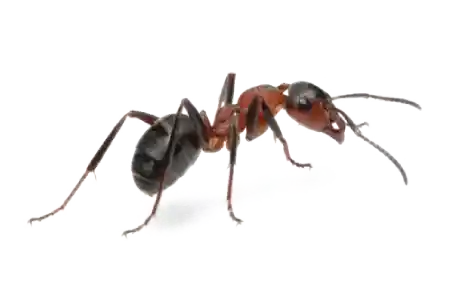
Ant Control
Ant trails become useful evidence. We follow repeated traffic, identify the species involved, and direct control toward the colony supporting those workers.
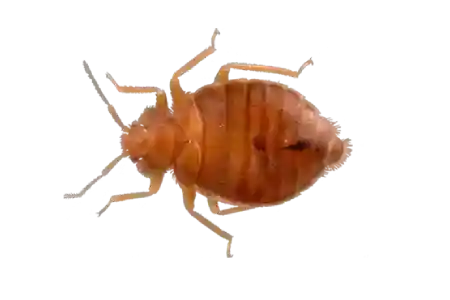
Bed Bug Control
Rather than stopping at the mattress, we investigate frames, furnishings, narrow seams, and adjoining areas before determining how treatment should proceed.
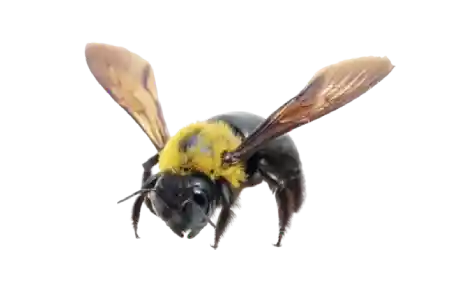
Carpenter Bee Control
Fresh sawdust and round openings lead us toward occupied galleries. Pest removal treatment is concentrated inside the wood the carpenter bees are actively using.

Centipede Control
Centipedes often reveal something else nearby. We investigate damp shelter, entry gaps, and available insect prey while addressing the centipedes themselves.
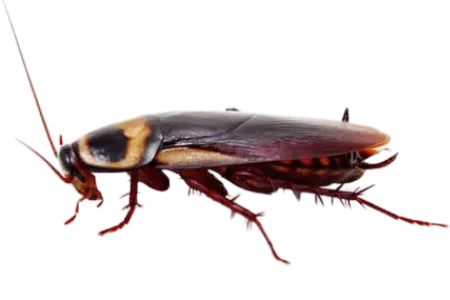
Cockroach Control
Cockroaches exploit tight spaces remarkably well. We work through likely harborages near warmth, food, plumbing, and cover instead of treating open surfaces indiscriminately.
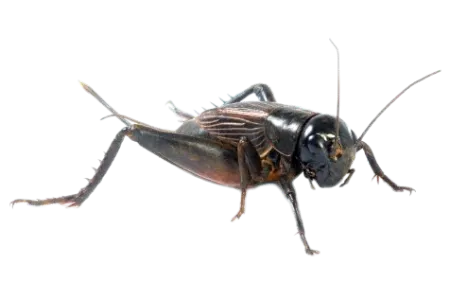
Cricket Control
A persistent nighttime chirp gives us somewhere to start. We narrow down the hiding area and deal with nearby access or shelter.
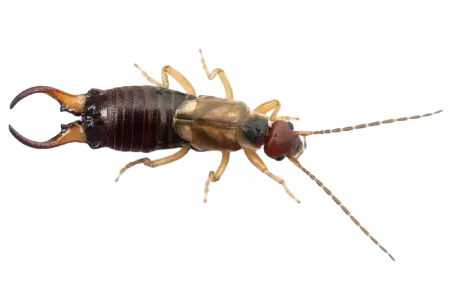
Earwig Control
When earwigs move indoors, damp exterior cover often deserves attention. Our pest expert works around those harborages and the low openings connecting them inside.
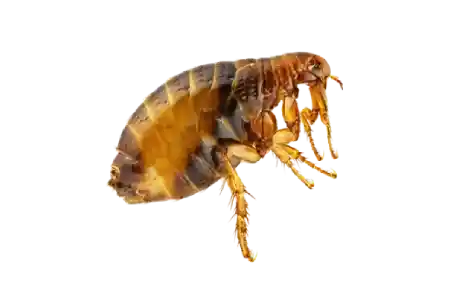
Flea & Mite Control
Small biting pests can be difficult to distinguish. We identify what is present before deciding which fabrics, rooms, animal areas, or surfaces matter.
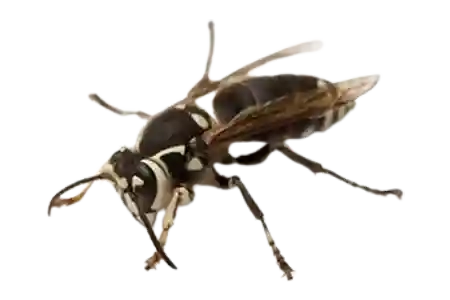
Hornet Control
Hornets returning to one canopy, roof edge, or sheltered structure can expose their colony. We track that activity before approaching the nest.

Millipede Control
Sudden millipede numbers usually start outside. We focus on moisture-rich ground, debris, and the foundation routes carrying them toward indoor spaces.
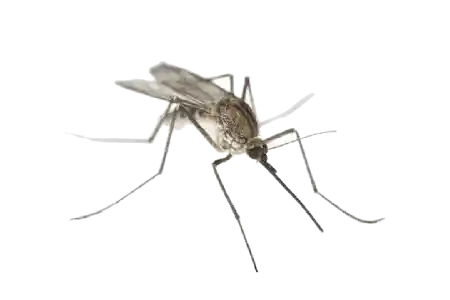
Mosquito Control
Mosquito work is aimed at where they spend time, including shaded foliage and water-holding areas capable of producing another round of adults.

Pill Bug Control
Pill bugs need damp conditions to thrive. Our local exterminators concentrate on wet exterior shelter and the foundation edges where these crustaceans wander indoors.

Rodent Control
We reconstruct rodent movement from what the building gives away, then position controls and investigate reachable openings connected to that travel pattern.
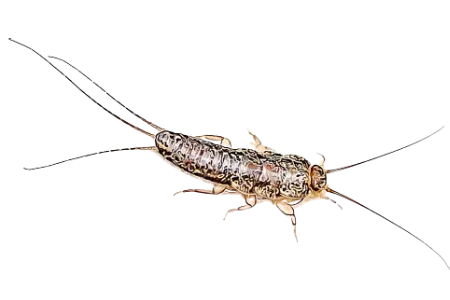
Silverfish Control
Silverfish prefer rooms nobody disturbs much. We work through humid storage areas, hidden edges, and narrow spaces where those insects can remain unnoticed.
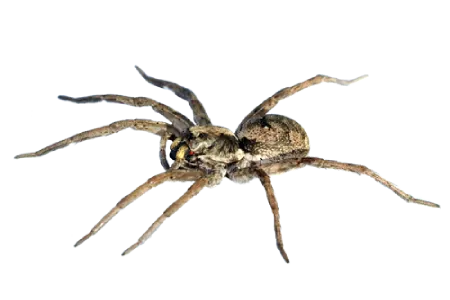
Spider Control
Instead of treating webs as the whole problem, we address spider harborages while considering the smaller insects continually providing their food.
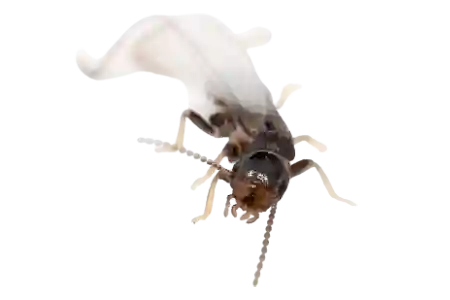
Termite Control
Termite suspicions call for evidence first. We assess accessible structural areas and conditions before deciding which available treatment option deserves consideration.
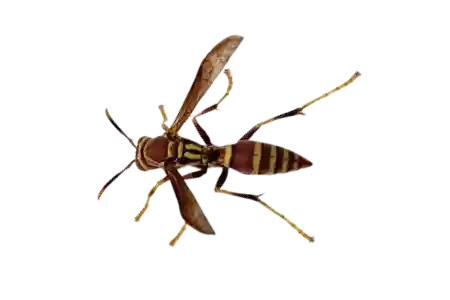
Wasp Control
One busy flight path can reveal a lot. Our pest control exterminator locates where wasps are repeatedly entering before beginning work around the active nesting point.
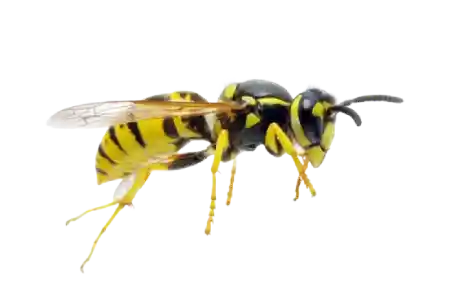
Yellow Jacket Control
Yellow jackets may disappear underground or through a building gap. We track the busy entrance before treating the concealed colony behind it.
 Ryan has done flea control at my dads house and today took care of termites. I would recommend him 100%. Local company and backs up with a warranty! If anyone has any bug issues call Ryan!
Ryan’s service was exceptional! He is very professional and took the time to answer all of our questions. We would definitely use his services again if needed.
Ryan was very professional and extremely responsive. He even came out to the house on a Sunday to treat our wasp problem. We will definitely use his business again in the future.
Ryan was very professional and had impeccable communication. He was thorough when explaining the process and was always willing to answer any questions I had.
Ryan was professional, friendly, and highly knowledgeable in his field. He was thorough answering every question I had and very assuring regarding pet and children safety …
Great experience! Worked diligently to get our pest situation resolved and kept us informed every step of the way. Went the extra mile to make sure we were satisfied. …
Ryan has done flea control at my dads house and today took care of termites. I would recommend him 100%. Local company and backs up with a warranty! If anyone has any bug issues call Ryan!
Ryan’s service was exceptional! He is very professional and took the time to answer all of our questions. We would definitely use his services again if needed.
Ryan was very professional and extremely responsive. He even came out to the house on a Sunday to treat our wasp problem. We will definitely use his business again in the future.
Ryan was very professional and had impeccable communication. He was thorough when explaining the process and was always willing to answer any questions I had.
Ryan was professional, friendly, and highly knowledgeable in his field. He was thorough answering every question I had and very assuring regarding pet and children safety …
Great experience! Worked diligently to get our pest situation resolved and kept us informed every step of the way. Went the extra mile to make sure we were satisfied. …
Field Judgment Before Product Choice
Our technicians use pest evidence to shape recommendations, helping keep treatment connected to what is actually happening instead of what usually happens.

15+ Years Of Ohio Pest Work
Since 2010, our pest control Kettering technicians have encountered changing seasons, stubborn infestations, different structures, and enough unusual pest behavior to know assumptions can mislead.

Follow-Through With A Clear Route Back
Qualifying services include warranty support, giving customers a straightforward way to contact us when covered activity continues after the initial work.

Straight Talk Throughout The Visit
We explain what caught our attention, what we intend to address, and what may require monitoring afterward without burying customers in unnecessary jargon.