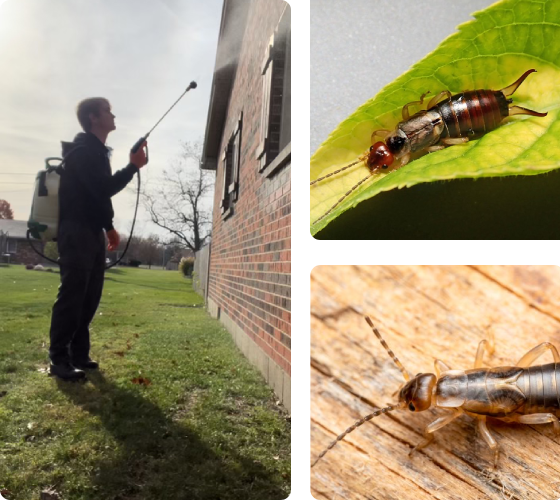



Residential Pest Control
Every home has different trouble spots. We check where pests are showing up, then treat the places keeping them active.

Commercial Pest Control
Restaurants, offices, warehouses, and shops each need a different approach. Our service works around your schedule and daily operating routines.
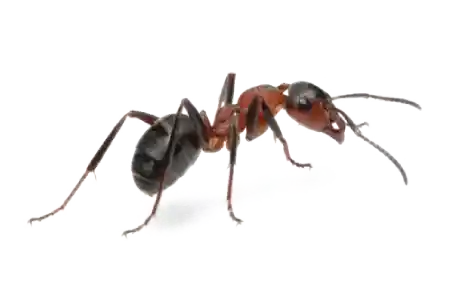
Ant Control
A few ants on the counter can point to a larger colony nearby. We track the trail before choosing treatment.
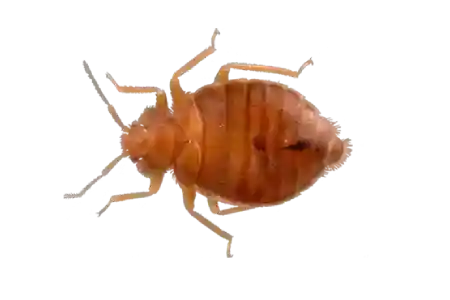
Bed Bug Control
Round holes in exposed wood usually mean carpenter bees are nesting nearby. We find active galleries and treat affected wood.
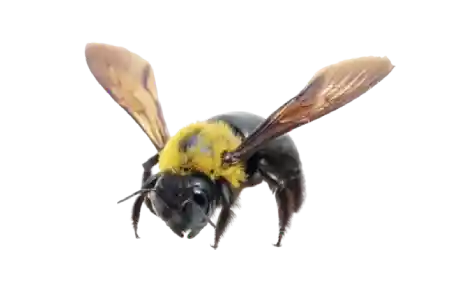
Carpenter Bee Control
Round holes in exposed wood usually mean carpenter bees are nesting nearby. We find active galleries and treat affected wood.

Centipede Control
Centipedes appear where moisture and other insects are present. We look beyond the sighting to learn what is attracting them.
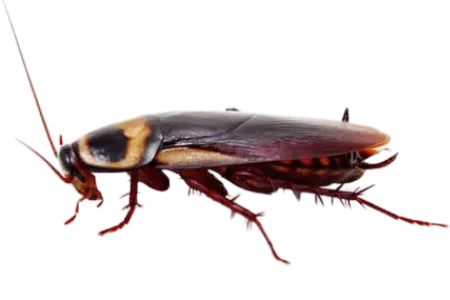
Cockroach Control
Cockroaches can stay hidden behind appliances, cabinets, and wall voids. Treatment follows the areas where they feed, rest, and breed.
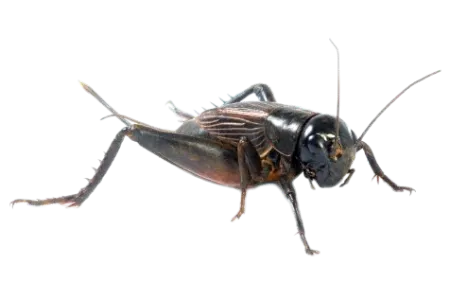
Cricket Control
Indoor chirping often starts near a basement, garage, or doorway. We locate the hiding place and address the route inside.
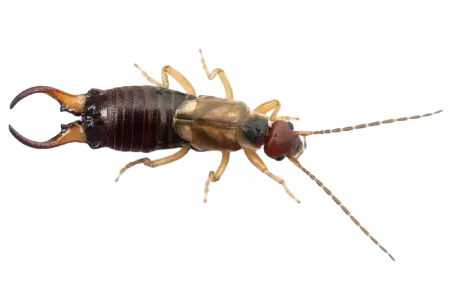
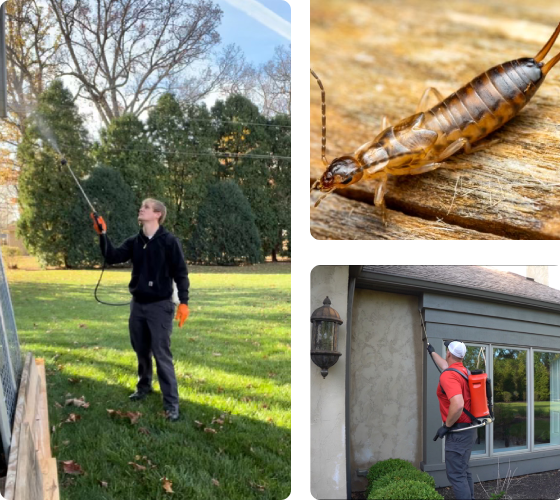
Earwig Control
Earwigs gather around damp mulch, shaded foundations, and humid rooms. Our Miami Valley earwig control team treats activity and checks likely entry points.

Flea & Mite Control
Fleas and mites can linger in fabrics, pet areas, or animal nesting material. We tailor treatment to the source involved.
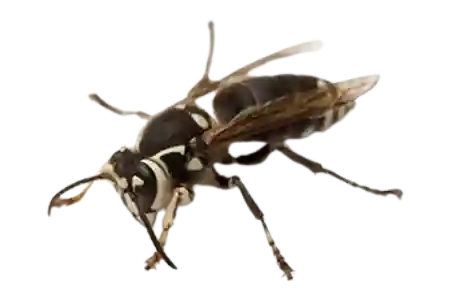
Hornet Control
A hornet nest near a doorway, roofline, or play area needs careful handling. We locate it first, then treat safely.

Millipede Control
Millipedes often appear after wet weather drives them from soil and mulch. We treat foundation edges and nearby damp shelter.
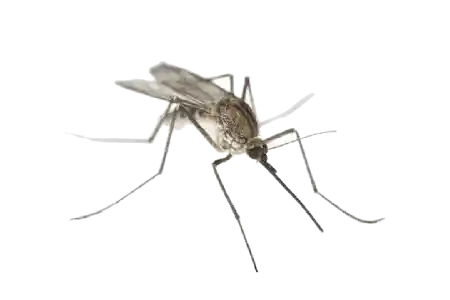
Mosquito Control
Mosquito pressure builds around standing water, dense plants, and shaded corners. We target the places where adults rest and breed.
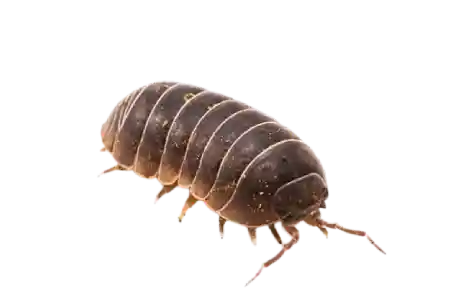
Pill Bug Control
Pill bugs stay close to wet soil, mulch, and decaying plant matter. We reduce activity around foundation and sheltered edges.

Rodent Control
Scratching, droppings, or chewed materials can reveal rodent activity. We inspect, trap where needed, and close off likely entry routes.
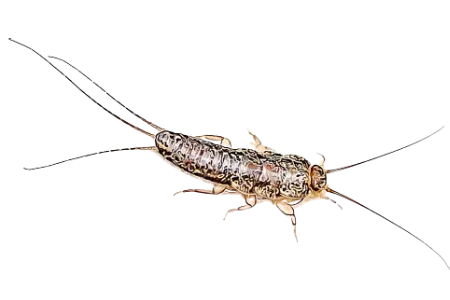
Silverfish Control
Silverfish favor quiet, humid spaces with paper, cardboard, or stored fabrics. We treat those hiding areas and nearby moisture-prone rooms.
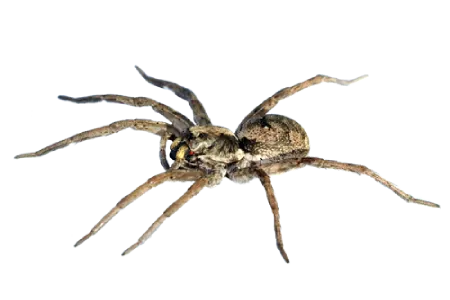
Spider Control
Spider webs usually mean insects are nearby. We remove active harborage, treat key areas, and reduce food drawing spiders indoors.
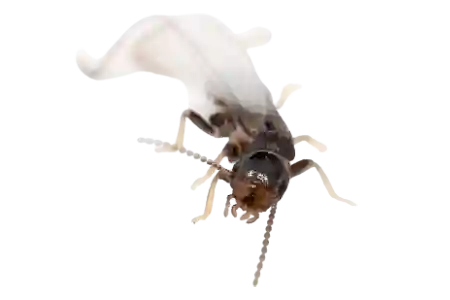
Termite Control
Termites remain hidden while feeding behind walls or below floors. A detailed inspection helps us choose a suitable treatment approach.
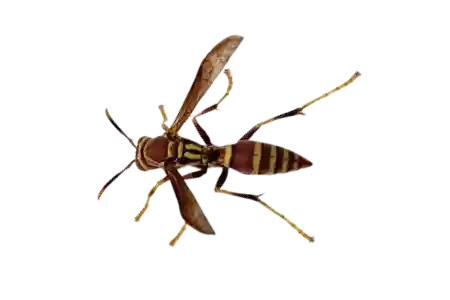
Wasp Control
Open eaves, wall gaps, and sheltered fixtures make practical nest sites, so we locate activity and treat the source carefully.
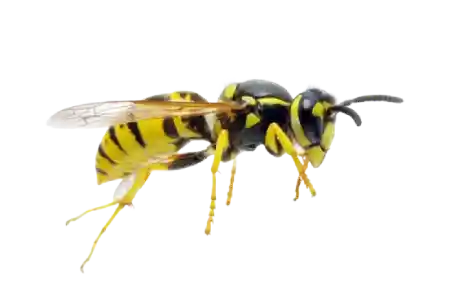
Yellow Jacket Control
Ground voids and hidden wall spaces can conceal aggressive yellow jackets, requiring careful nest location and targeted treatment near colonies.

Track Activity And Entry Routes
Our visit begins where earwigs are being seen, then moves outdoors to mulch beds, foundation edges, doors, utility gaps, and damp shelter that may often explain why activity keeps returning.

Build The Treatment Around The Property
Findings shape the treatment, including where products belong, which exterior zones need attention, and whether moisture, clutter, lighting, or structural gaps are still helping earwigs remain close to the building.

Reduce The Conditions Behind Repeat Activity
After treating active areas, our earwig control Miami Valley, OH, pros focus on practical prevention points and explain what to watch for, helping reduce fresh movement from landscaping, exterior shelter, and overlooked openings near the structure.
 Ryan has done flea control at my dads house and today took care of termites. I would recommend him 100%. Local company and backs up with a warranty! If anyone has any bug issues call Ryan!
Ryan’s service was exceptional! He is very professional and took the time to answer all of our questions. We would definitely use his services again if needed.
Ryan was very professional and extremely responsive. He even came out to the house on a Sunday to treat our wasp problem. We will definitely use his business again in the future.
Ryan was very professional and had impeccable communication. He was thorough when explaining the process and was always willing to answer any questions I had.
Ryan was professional, friendly, and highly knowledgeable in his field. He was thorough answering every question I had and very assuring regarding pet and children safety …
Great experience! Worked diligently to get our pest situation resolved and kept us informed every step of the way. Went the extra mile to make sure we were satisfied. …
Ryan has done flea control at my dads house and today took care of termites. I would recommend him 100%. Local company and backs up with a warranty! If anyone has any bug issues call Ryan!
Ryan’s service was exceptional! He is very professional and took the time to answer all of our questions. We would definitely use his services again if needed.
Ryan was very professional and extremely responsive. He even came out to the house on a Sunday to treat our wasp problem. We will definitely use his business again in the future.
Ryan was very professional and had impeccable communication. He was thorough when explaining the process and was always willing to answer any questions I had.
Ryan was professional, friendly, and highly knowledgeable in his field. He was thorough answering every question I had and very assuring regarding pet and children safety …
Great experience! Worked diligently to get our pest situation resolved and kept us informed every step of the way. Went the extra mile to make sure we were satisfied. …