




Residential Pest Control
Inside a home, we follow sightings toward shelter, moisture, food, and openings before deciding which rooms or exterior areas deserve treatment.

Commercial Pest Control
Work does not need to stop for every pest visit. Our local exterminators coordinate inspection and treatment around occupied areas and normal business activity.
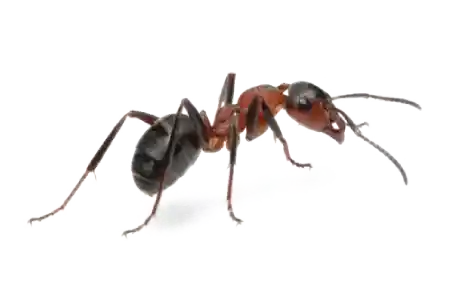
Ant Control
Trails give away movement. We work backward from those routes, paying attention to food, moisture, cracks, and places where colony activity may continue.
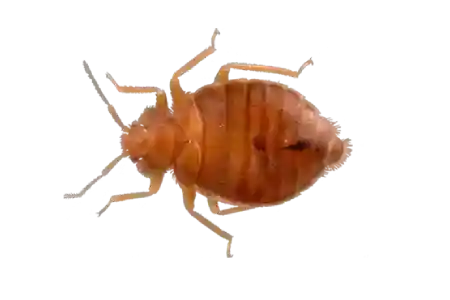
Bed Bug Control
Beds are only the starting point. We inspect nearby furniture and hiding spaces, then consider liquid, heat, or combined treatment when appropriate.
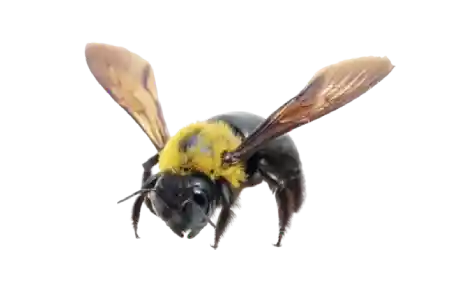
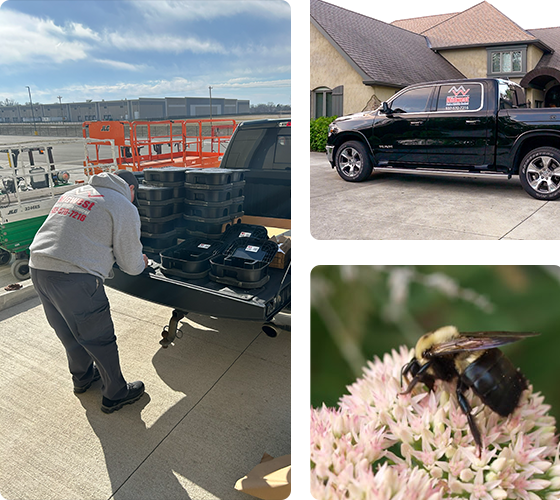
Carpenter Bee Control
Fresh holes and coarse sawdust point toward active wood galleries. We treat confirmed nesting areas, then discuss repairs after activity has been addressed.

Centipede Control
A centipede often has a reason for choosing one room. Dampness, gaps, and available insect prey help our pest expert narrow that reason down.
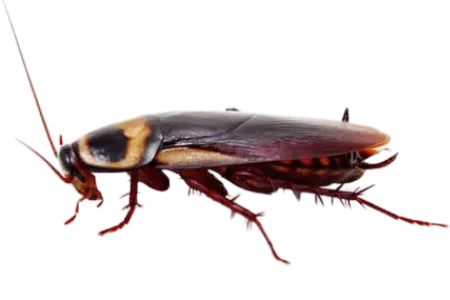
Cockroach Control
Warm appliances, plumbing, crumbs, and narrow shelter get our attention first. Roach work belongs near the activity, not indiscriminately across rooms.
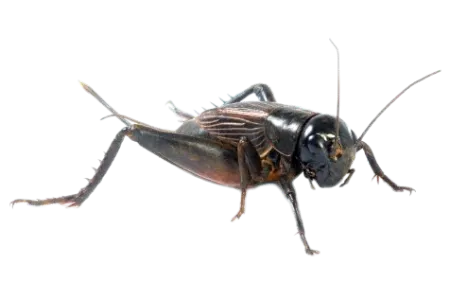
Cricket Control
Chirping can be surprisingly useful. We follow where it is loudest, then check basement edges, clutter, door gaps, lights, and foundation openings.
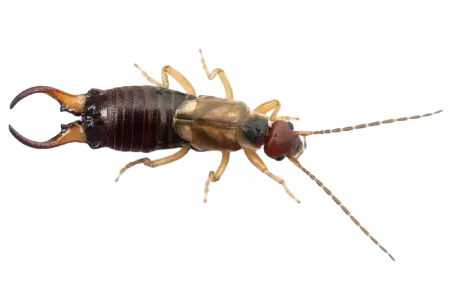
Earwig Control
When earwigs wander indoors, we look low. Damp exterior shelter, mulch, thresholds, and small foundation openings can reveal how they got there.
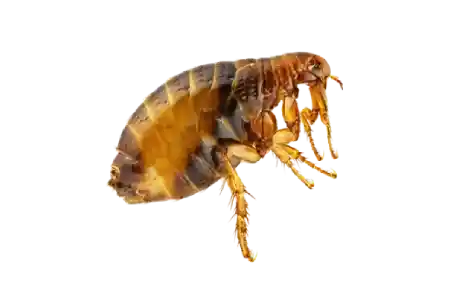
Flea & Mite Control
Bites alone do not settle the identification. Pet bedding, fabrics, rooms used most often, and possible wildlife activity help narrow the source.
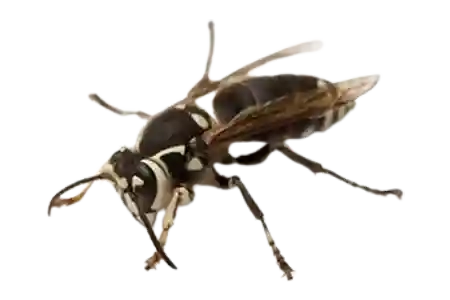
Hornet Control
A busy flight path can lead to the colony. Once our Union pest control pros find the nest, treatment can focus there instead of chasing individual hornets.

Millipede Control
Wet soil can send millipedes toward buildings in large numbers. We address the invasion and point out damp exterior shelter encouraging movement.
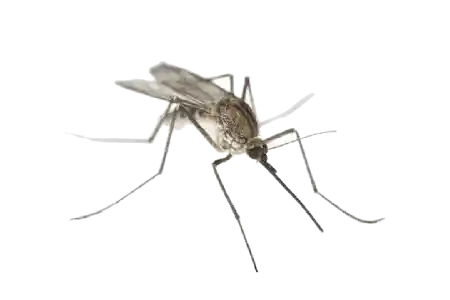
Mosquito Control
Mosquito service begins outdoors, where collected water and shaded vegetation can keep breeding and resting areas close to the places people use.
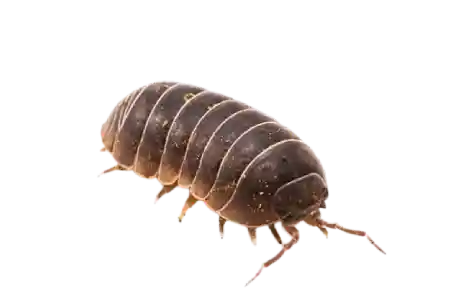
Pill Bug Control
Pill bugs need moisture, so indoor activity often shifts our attention toward damp ground, foundation edges, decaying material, and low entry points.
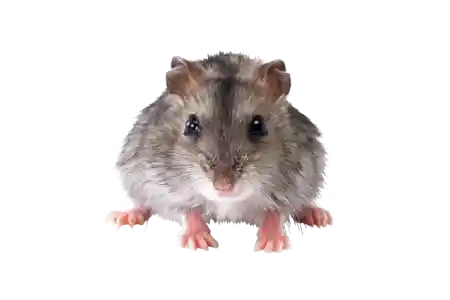
Rodent Control
Droppings, gnawing, nesting material, and nighttime noises help reconstruct the route. Our pest control Union team deals with active rodents and investigates likely entry opportunities.
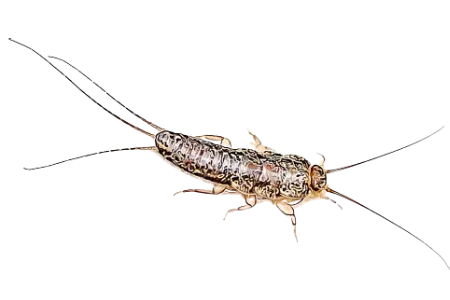
Silverfish Control
Bathrooms and storage spaces can hide more than clutter. We check humid cracks and quiet areas where silverfish continue gathering between sightings.
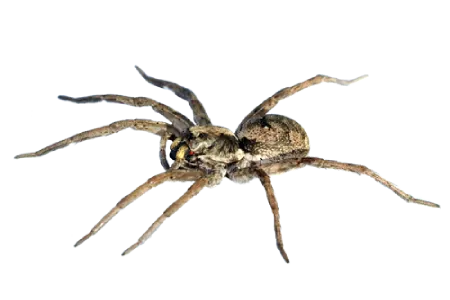
Spider Control
Web removal handles what you can see. We also look for the sheltered corners and insect prey that keep spiders using the property.
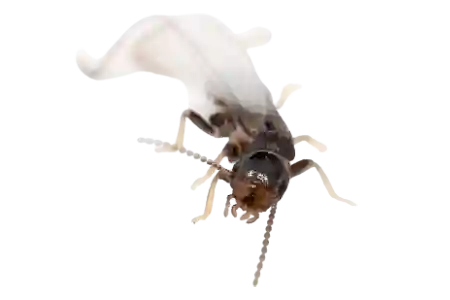
Termite Control
Termites can feed without announcing themselves. We compare damage and colony evidence before discussing soil, bait, wood, or other treatment options.
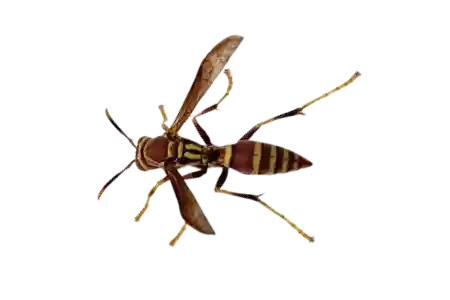
Wasp Control
Repeated traffic around one eave, railing, wall opening, or sheltered surface gives us somewhere specific to investigate before nest treatment begins.
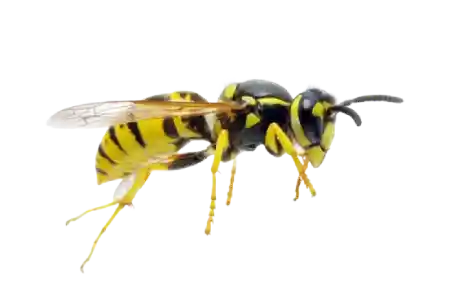
Yellow Jacket Control
A yellow jacket may vanish into soil or a wall opening. Our pest control Union, OH team traces that repeated route rather than disturbing a hidden colony blindly.
 Ryan has done flea control at my dads house and today took care of termites. I would recommend him 100%. Local company and backs up with a warranty! If anyone has any bug issues call Ryan!
Ryan’s service was exceptional! He is very professional and took the time to answer all of our questions. We would definitely use his services again if needed.
Ryan was very professional and extremely responsive. He even came out to the house on a Sunday to treat our wasp problem. We will definitely use his business again in the future.
Ryan was very professional and had impeccable communication. He was thorough when explaining the process and was always willing to answer any questions I had.
Ryan was professional, friendly, and highly knowledgeable in his field. He was thorough answering every question I had and very assuring regarding pet and children safety …
Great experience! Worked diligently to get our pest situation resolved and kept us informed every step of the way. Went the extra mile to make sure we were satisfied. …
Ryan has done flea control at my dads house and today took care of termites. I would recommend him 100%. Local company and backs up with a warranty! If anyone has any bug issues call Ryan!
Ryan’s service was exceptional! He is very professional and took the time to answer all of our questions. We would definitely use his services again if needed.
Ryan was very professional and extremely responsive. He even came out to the house on a Sunday to treat our wasp problem. We will definitely use his business again in the future.
Ryan was very professional and had impeccable communication. He was thorough when explaining the process and was always willing to answer any questions I had.
Ryan was professional, friendly, and highly knowledgeable in his field. He was thorough answering every question I had and very assuring regarding pet and children safety …
Great experience! Worked diligently to get our pest situation resolved and kept us informed every step of the way. Went the extra mile to make sure we were satisfied. …
Eyes Trained By Fieldwork
Repeated pest work sharpens judgment. Our technicians connect movement, damage, shelter, and building conditions instead of treating the visible insect as the whole story.

Building Sense From Experience
Our construction background adds another layer to inspections, particularly when pest access involves siding transitions, gaps, utility routes, or structural details.

Warranty With A Return Path
Completed general pest extermination services carry warranty support, while qualifying recurring customers can receive additional attention when covered activity needs another visit.

Straight Answers Before Treatment
Customers regularly mention explanations, responsiveness, and communication. We want the findings, work, and expectations to make sense before anyone is left wondering what happened.