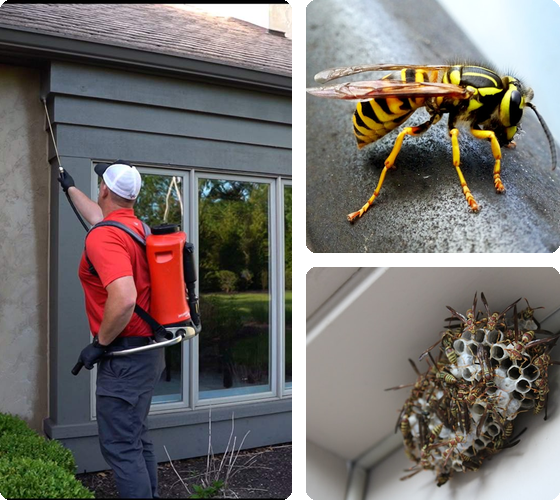



Residential Pest Control
Homes give pests more than one hiding place. We trace room-to-room activity, outdoor shelter, and the openings tying it together.

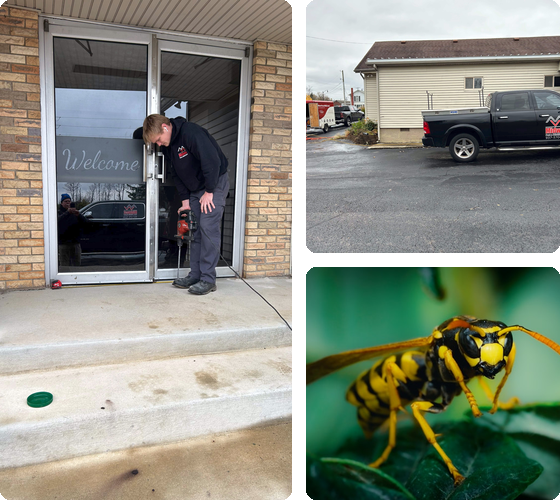
Commercial Pest Control
Business sites need quiet, practical service. We inspect customer areas, storage, loading zones, kitchens, and utility spaces around daily operations.
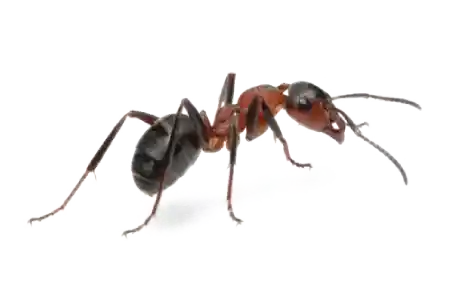
Ant Control
A disappearing trail tells us more than the ants in view. We follow traffic toward food, moisture, and nesting space.
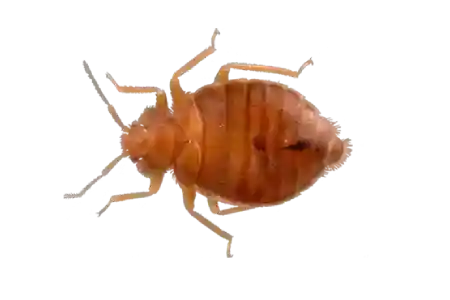
Bed Bug Control
Bites are only one clue. We examine seams, furniture joints, nearby rooms, and spotting before choosing heat or chemical treatment.
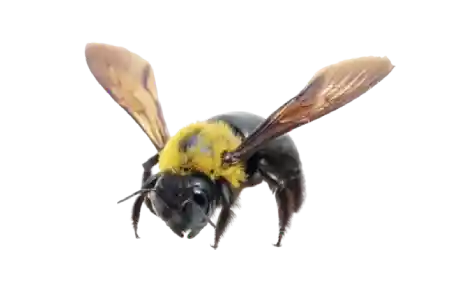
Carpenter Bee Control
Round holes beneath porch wood can lead to branching galleries. We find active tunnels and treat the boards the bees occupy.

Centipede Control
Quick movement across a basement floor may point to damp shelter and abundant prey. We look for both during the visit.
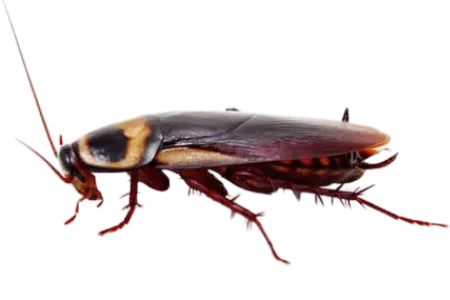
Cockroach Control
Roaches use grease, warmth, leaks, and cardboard remarkably well. We work through the crevices where feeding and breeding continue.
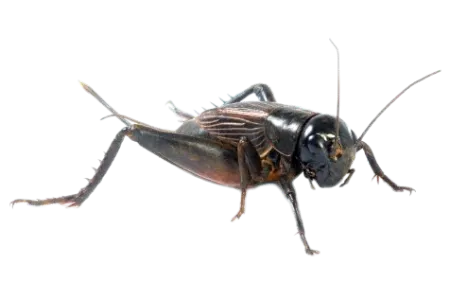
Cricket Control
That chirp after dark may start beside a drain, doorway, or garage wall. We narrow down the shelter and access route.
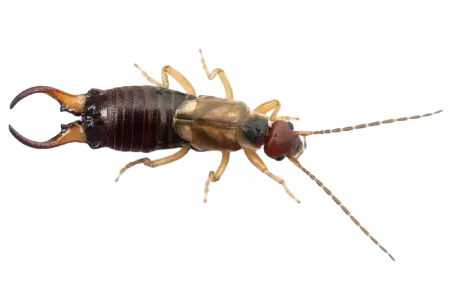
Earwig Control
Rain-soaked mulch can push earwigs toward foundations. We address the wet cover outside and the low gaps bringing them indoors.
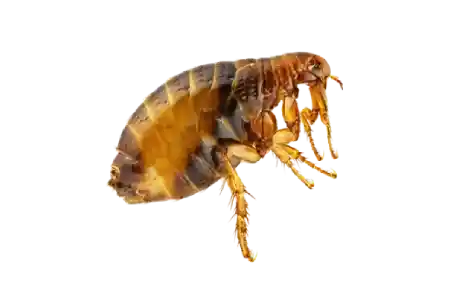
Flea & Mite Control
Similar-looking bites can have different causes. Pet bedding, abandoned nests, fabrics, and room patterns help us identify what is involved.
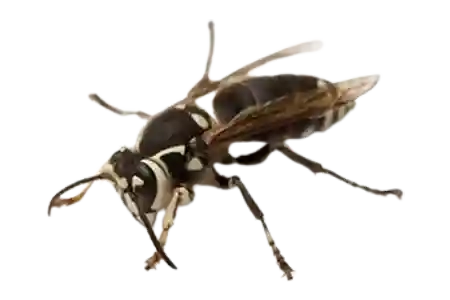
Hornet Control
A large paper nest can make a doorway or mowing route unsafe. We locate the colony and handle removal with care.

Millipede Control
Long wet spells may send millipedes across thresholds in numbers. We focus on saturated edges and the lowest ways inside.
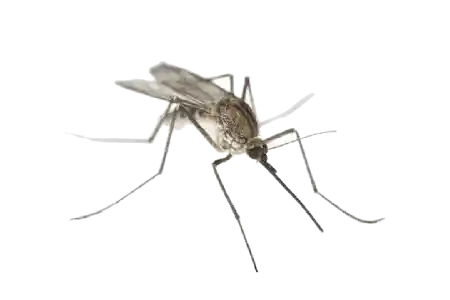
Mosquito Control
Collected water produces larvae, while shaded foliage shelters adults. We target both where outdoor time is being interrupted.
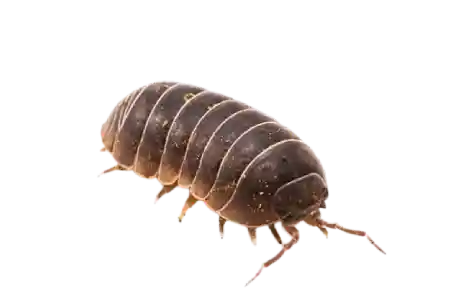
Pill Bug Control
Repeated sightings often lead back to wet mulch, decaying leaves, or foundation openings. We work along that damp border.

Rodent Control
Gnawing, droppings, and noises after dark help map rodent travel. We control active animals and investigate the gaps behind them.
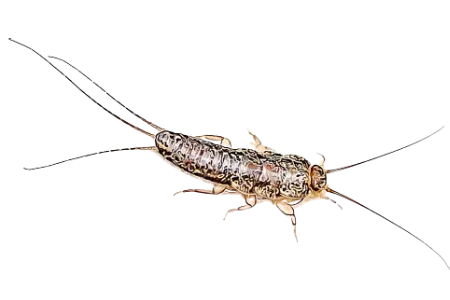
Silverfish Control
Yellow stains, scraped paper, or sudden movement near storage can expose silverfish. We check humid crevices and undisturbed materials.
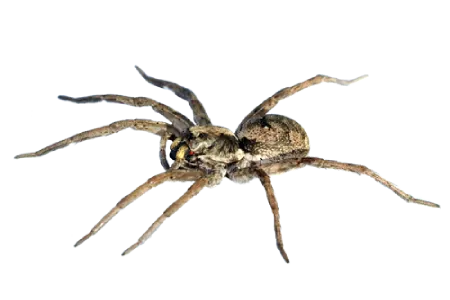
Spider Control
Fresh webs often return because prey remains nearby. We treat spider shelter while addressing the insect activity that keeps it useful.
Termite Control
Mud tubes, shed wings, or softened wood warrant a closer look. We inspect the structure before discussing a termite treatment path.
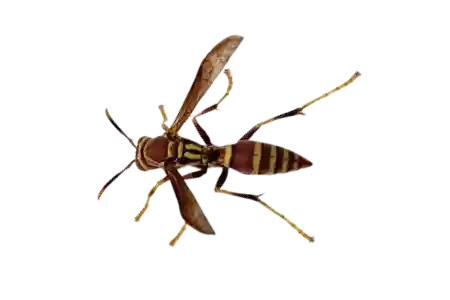
Wasp Control
Open combs beneath eaves or railings need careful handling. Our wasp control Miami Valley pros identify the nest, treat the colony, and address that nesting spot.
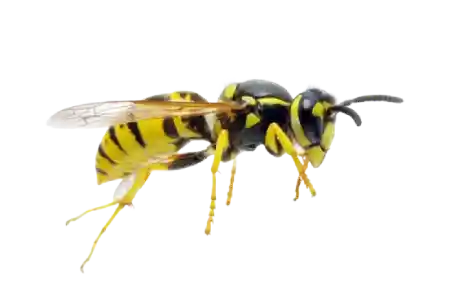
Yellow Jacket Control
Steady flight into soil, siding, or a wall gap can expose a hidden nest. We watch the route before treatment begins.

Watch The Flight Line First
From a safe distance, we study where workers land and disappear, then check eaves, soffits, shutters, railings, vents, sheds, play equipment, and wall openings for the nest itself.

Match The Method To The Nest
An exposed comb, enclosed cavity, and high aerial nest do not call for identical work. Our wasp control Miami Valley, OH, professionals choose treatment around species, nest placement, colony size, access, and nearby activity.

Leave Fewer Easy Nesting Spots
Once activity settles, we remove reachable nest material when appropriate and flag gaps, sheltered ledges, open trash, or loose screens that may invite another queen to try nearby.
 Ryan has done flea control at my dads house and today took care of termites. I would recommend him 100%. Local company and backs up with a warranty! If anyone has any bug issues call Ryan!
Ryan’s service was exceptional! He is very professional and took the time to answer all of our questions. We would definitely use his services again if needed.
Ryan was very professional and extremely responsive. He even came out to the house on a Sunday to treat our wasp problem. We will definitely use his business again in the future.
Ryan was very professional and had impeccable communication. He was thorough when explaining the process and was always willing to answer any questions I had.
Ryan was professional, friendly, and highly knowledgeable in his field. He was thorough answering every question I had and very assuring regarding pet and children safety …
Great experience! Worked diligently to get our pest situation resolved and kept us informed every step of the way. Went the extra mile to make sure we were satisfied. …
Ryan has done flea control at my dads house and today took care of termites. I would recommend him 100%. Local company and backs up with a warranty! If anyone has any bug issues call Ryan!
Ryan’s service was exceptional! He is very professional and took the time to answer all of our questions. We would definitely use his services again if needed.
Ryan was very professional and extremely responsive. He even came out to the house on a Sunday to treat our wasp problem. We will definitely use his business again in the future.
Ryan was very professional and had impeccable communication. He was thorough when explaining the process and was always willing to answer any questions I had.
Ryan was professional, friendly, and highly knowledgeable in his field. He was thorough answering every question I had and very assuring regarding pet and children safety …
Great experience! Worked diligently to get our pest situation resolved and kept us informed every step of the way. Went the extra mile to make sure we were satisfied. …