




Residential Pest Control
We check living areas, garages, basements, and exterior edges, then place treatment only where pest signs give us a reason.

Commercial Pest Control
Workplaces get a different lens: stock, drains, loading points, break areas, and operating hours all shape where our service goes.
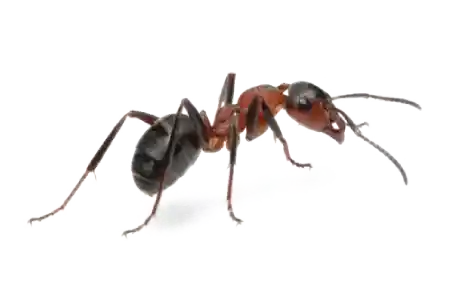
Ant Control
Our local exterminators follow active trails toward food, moisture, or nesting space, then treat the routes and colony zones that keep workers in circulation.
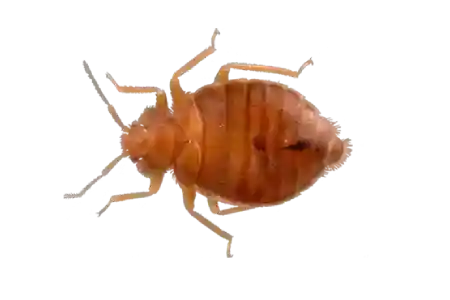
Bed Bug Control
Mattresses are only one stop. Before selecting heat, liquid treatment, or both, we examine bed frames, upholstery seams, baseboards, and concealed crevices.
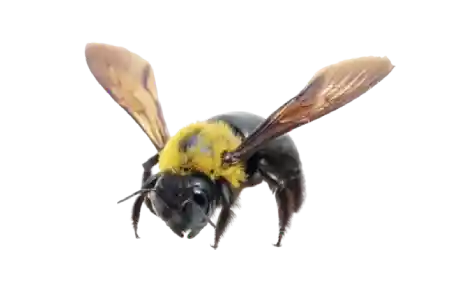
Carpenter Bee Control
Fresh round holes and wood dust give away active galleries. We treat the occupied timber, not every exposed board in sight.

Centipede Control
When centipedes keep appearing, we look for damp shelter and abundant prey, then address both the crawler and its conditions.
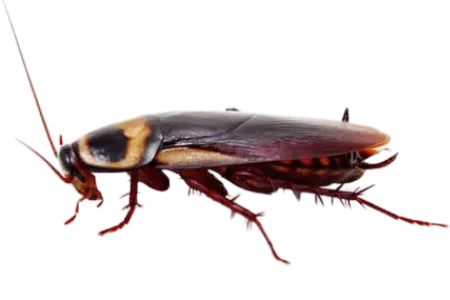
Cockroach Control
Roaches favor tight, warm, food-adjacent voids. Our pest expert works through those harborages and travel paths instead of spraying broad open areas.
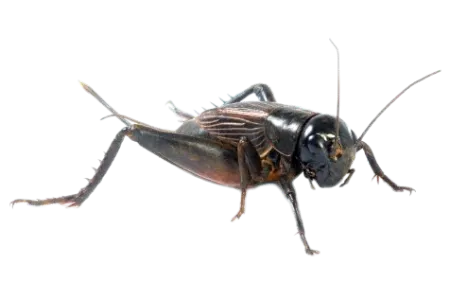
Cricket Control
A nighttime chirp can narrow the search. We trace it toward garage edges, drains, door gaps, or basement shelter and treat there.
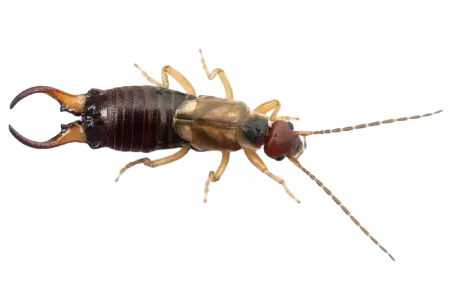
Earwig Control
Earwigs often hide beneath damp mulch and low gaps. We focus on those damp pockets and low openings where indoor movement begins.
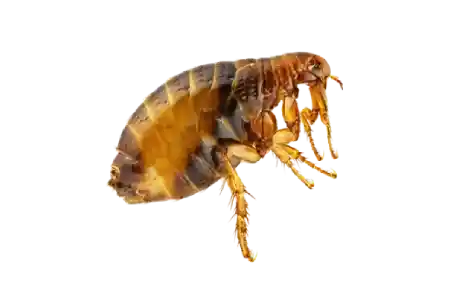
Flea & Mite Control
Bites near pets or fabrics can point to different pests. We identify the source first, then tailor treatment to the activity.
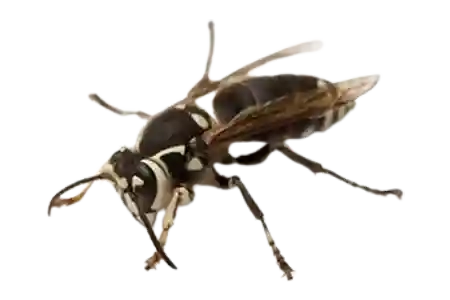
Hornet Control
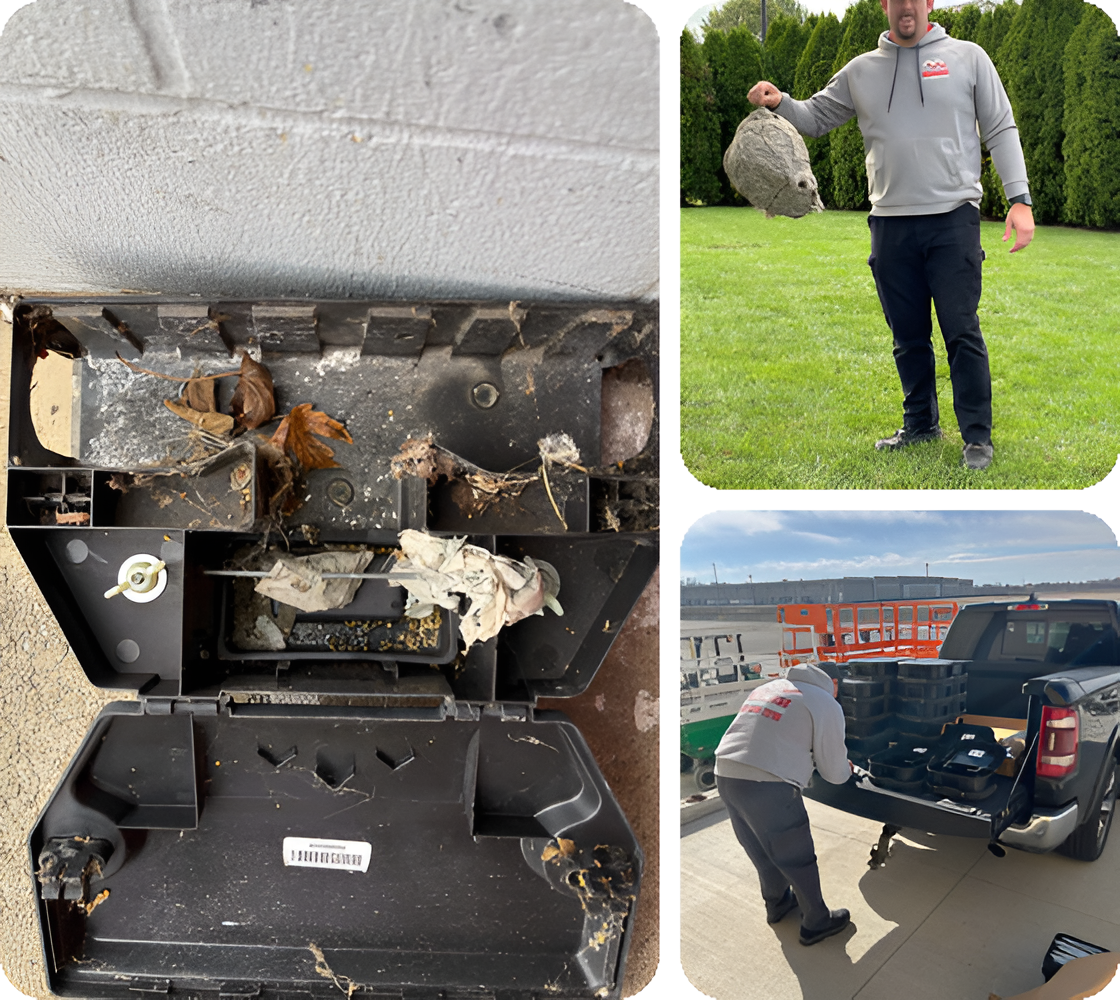
Steady traffic to a tree, roofline, or shed can expose a hornet nest. Our pest control exterminator locates the colony before anyone disturbs it.
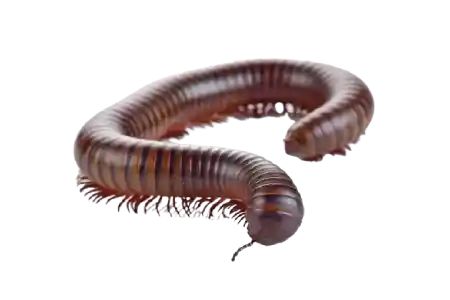
Millipede Control
After soaked soil, millipedes may move toward buildings in numbers. We work along exterior moisture zones and the approach to the structure.
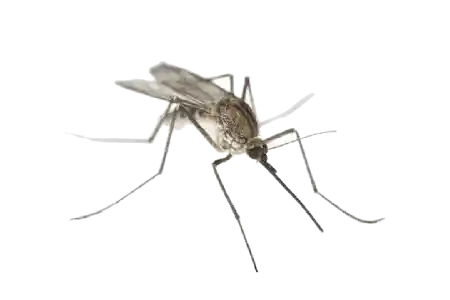
Mosquito Control
We look for water that can produce larvae and shaded foliage that shelters adults, then target those areas rather than the whole yard.
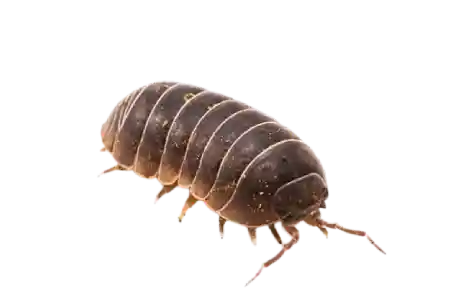
Pill Bug Control
Pill bugs need moisture to persist. We address wet mulch, foundation edges, and low entry gaps that bring them indoors.

Rodent Control
Droppings and gnaw marks become a map. Our pest removal experts trace active routes, place controls strategically, and inspect accessible gaps rodents may reuse.
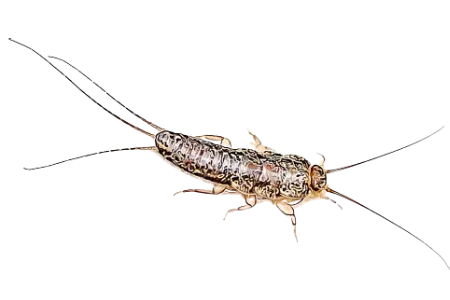
Silverfish Control
Stored paper, cardboard, and humid air suit silverfish. We treat quiet hiding places while checking why those rooms stay damp.
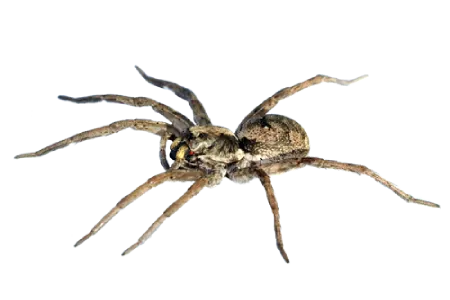
Spider Control
Webs show where spiders are comfortable. We remove active harborage, treat key zones, and consider the insects feeding the problem.
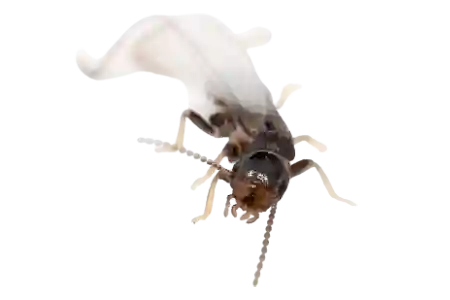
Termite Control
Shelter tubes, discarded wings, and weakened timber deserve a closer inspection. We verify the signs first, then choose an appropriate control method.
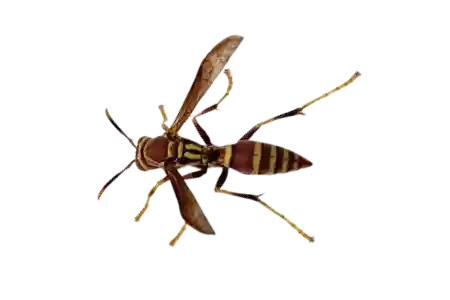
Wasp Control
Paper nests beneath eaves, rails, or fixtures require careful handling. Our pest control West Milton pros identify the active site and treat without unnecessary disturbance.
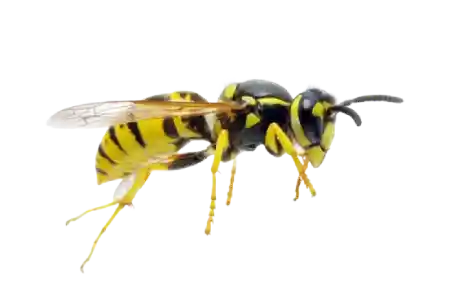
Yellow Jacket Control
A steady stream of workers entering one gap usually points toward a concealed colony. We watch traffic and direct treatment toward the colony.
 Ryan has done flea control at my dads house and today took care of termites. I would recommend him 100%. Local company and backs up with a warranty! If anyone has any bug issues call Ryan!
Ryan’s service was exceptional! He is very professional and took the time to answer all of our questions. We would definitely use his services again if needed.
Ryan was very professional and extremely responsive. He even came out to the house on a Sunday to treat our wasp problem. We will definitely use his business again in the future.
Ryan was very professional and had impeccable communication. He was thorough when explaining the process and was always willing to answer any questions I had.
Ryan was professional, friendly, and highly knowledgeable in his field. He was thorough answering every question I had and very assuring regarding pet and children safety …
Great experience! Worked diligently to get our pest situation resolved and kept us informed every step of the way. Went the extra mile to make sure we were satisfied. …
Ryan has done flea control at my dads house and today took care of termites. I would recommend him 100%. Local company and backs up with a warranty! If anyone has any bug issues call Ryan!
Ryan’s service was exceptional! He is very professional and took the time to answer all of our questions. We would definitely use his services again if needed.
Ryan was very professional and extremely responsive. He even came out to the house on a Sunday to treat our wasp problem. We will definitely use his business again in the future.
Ryan was very professional and had impeccable communication. He was thorough when explaining the process and was always willing to answer any questions I had.
Ryan was professional, friendly, and highly knowledgeable in his field. He was thorough answering every question I had and very assuring regarding pet and children safety …
Great experience! Worked diligently to get our pest situation resolved and kept us informed every step of the way. Went the extra mile to make sure we were satisfied. …
Practical Field Judgment
Our West Milton pest control technicians connect pest behavior with the building around it, so treatment decisions come from context rather than habit or convenience.

Warranty With A Purpose
Completed services carry a 30-day warranty, giving customers a clear route back when qualifying original activity needs another visit.

Customer Updates Without Fog
We explain what stood out, what we did, and what deserves attention next so the service never feels like a black box.

15+ Years Of Real Calls
Since 2010, difficult infestations have added to our field perspective and sharpened the way our West Milton, OH, pest control workers interpret unusual or stubborn pest activity.