


Residential Pest Control
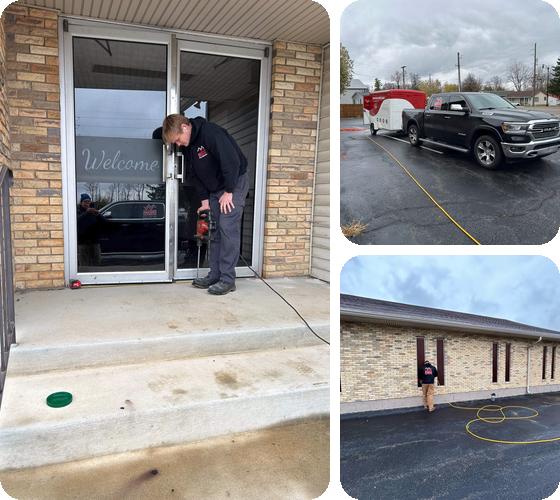
A pest appointment happens inside someone’s living space, not an empty building. Our technicians take care around furniture and belongings so daily household routines can continue with fewer unnecessary interruptions.

Commercial Pest Control
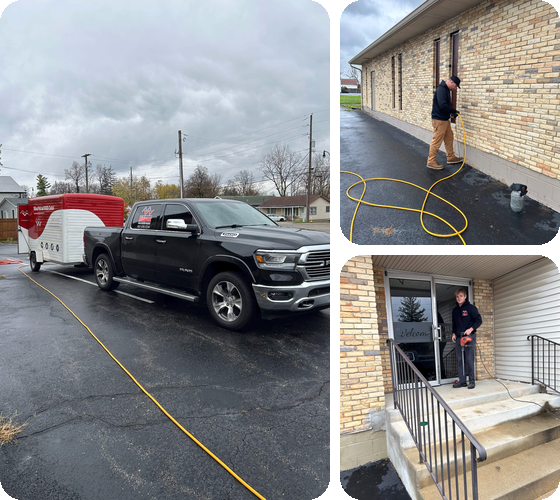
Pests can be spotted by customers or staff at any point in the workday. Commercial service accounts for traffic and stock movement so each visit works around the business’s operations.
Ant Control
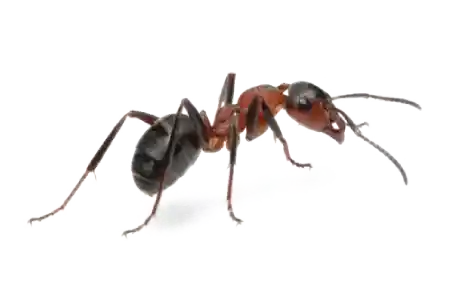
A line of ants near the sink usually points to a hidden nest. Technicians trace where the trail begins, check nearby moisture, and treat the colony rather than visible ants.
Bed Bug Control
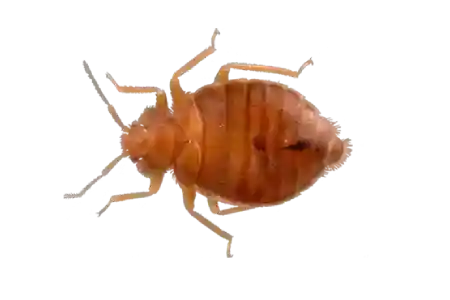
Dark spots, shed skins, or bites can lead inspectors to bed bugs hiding in seams and joints. Treatment starts after the affected rooms are checked and preparation steps are discussed.
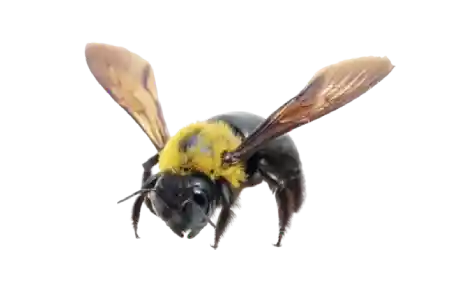
Carpenter Bees Control
Round holes and sawdust beneath exposed wood often reveal carpenter bee tunnels. After locating each nesting area, technicians treat the openings and advise whether damaged boards should be sealed later.

Centipede Control
Centipedes often enter damp basements or bathrooms while hunting smaller insects. We address hiding areas, likely entry gaps, and the nearby pest activity that keeps these fast-moving hunters indoors longer.
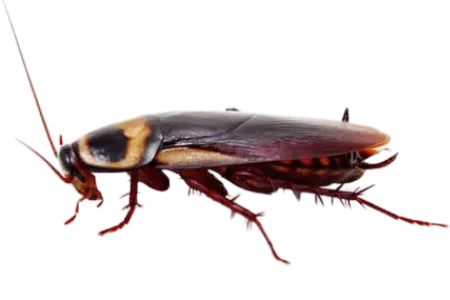
Cockroach Control
Cockroaches often stay near warm appliances or leaking pipes, where food residue is easy to reach. Our pest removal work follows droppings and egg cases to the nesting area directly.
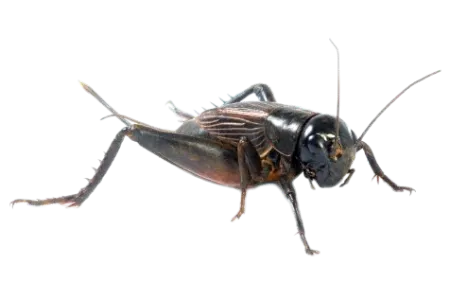
Cricket Control
Crickets often enter through worn seals before settling in basements or garages. Their chirping helps narrow the search, so service can address the route they used and where they gathered.
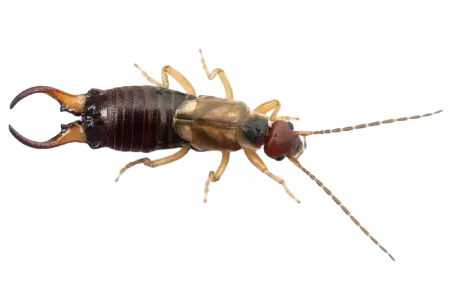
Earwig Control
Earwigs prefer damp ground close to the foundation, then slip inside through small openings. We check what is keeping the area wet and remove the shelter that draws them closer outside.
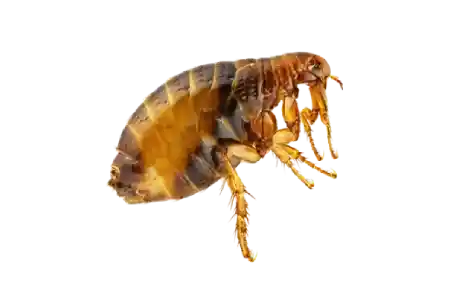
Flea & Mite Control
Fleas and mites can remain after pets or wildlife leave. We trace where the problem began, explain what must be cleared beforehand, and treat the rooms showing continued activity indoors.
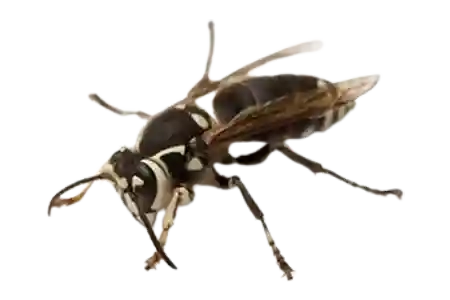
Hornet Control
Hornets can build exposed nests or occupy concealed structural spaces. Our local exterminators inspect the nesting site, evaluate access, and perform targeted service while carefully considering normal household movement nearby.

Millipede Control
Millipedes may migrate indoors after wet weather but rarely establish lasting populations there. We address exterior moisture, foundation gaps, and nearby shelter that brings these many-legged pests against the home.
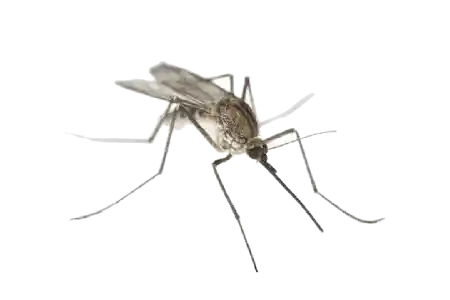
Mosquito Control
Mosquitoes can multiply quickly when rainwater sits unnoticed around a yard. We trace those breeding spots first, then treat shaded outdoor areas where adults rest during warmer daylight hours nearby.
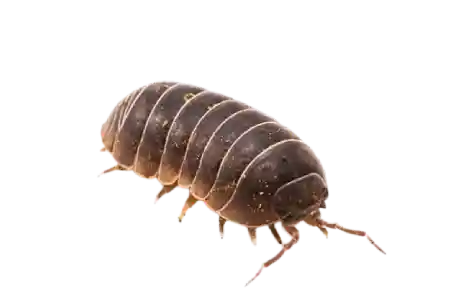
Pill Bug Control
Pill bugs gather where wet mulch touches the foundation. When they move indoors, we check for trapped moisture outside and seal the openings giving them access to the house itself.
Rodent Control
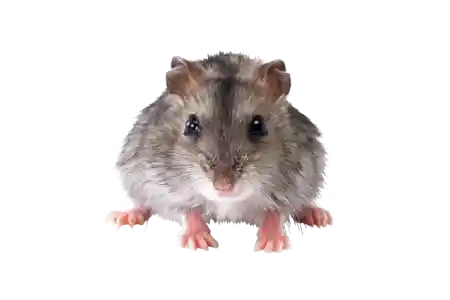
Scratching behind walls or chewed food packaging can point to rodents. A residential pest control exterminator traces their entry route, then places controls where signs show activity inside the home.
Silverfish Control
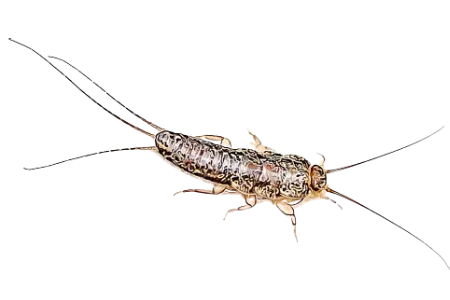
Silverfish often appear where damp air reaches stored paper. We check the room for excess humidity and treat the cracks or storage spaces where they continue gathering unnoticed between visits.
Spider Control
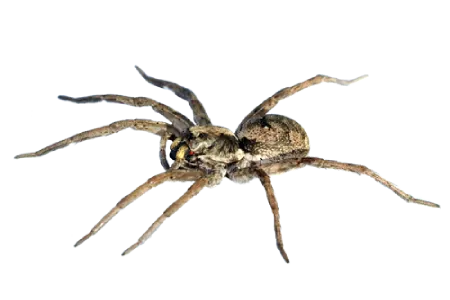
Spiders settle in quiet corners when insects remain nearby. We remove reachable webs, then reduce the activity attracting them so fewer return to the same rooms and exterior hiding spots.
Termite Control
Termite service starts by identifying what caused the wood damage. We compare the signs with carpenter ant activity and recommend treatment only when the inspection clearly confirms a termite problem.
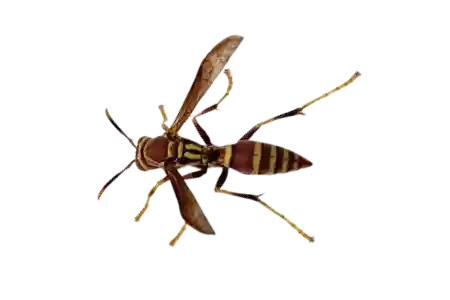
Wasp Control
Wasps often build nests in places that are difficult to see. Once we locate the colony, treatment reaches the nest so fewer wasps continue returning around the property after service.
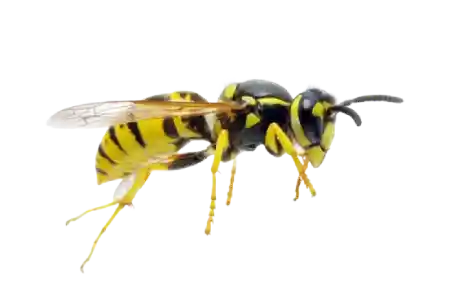
Yellow Jacket Control
Yellow jackets become harder to ignore during late summer around patios and trash areas. A residential pest expert traces the nest and plans service around its position and safest access route.

Start With the Source
Before service begins, we look closely at where pests appear and how they enter. We also check for moisture, openings, and other conditions that may be helping the problem continue.

Talk Through the Work
After the inspection, we explain what we found and how the service will work. You will know how to prepare, what will happen, and what to expect afterward at home.

Complete the Work and Check Results
Our pest control for indoor and outdoor areas follows what the inspection shows. After completing the work, we review the results and explain whether any further steps are needed later.
 Ryan has done flea control at my dads house and today took care of termites. I would recommend him 100%. Local company and backs up with a warranty! If anyone has any bug issues call Ryan!
Ryan’s service was exceptional! He is very professional and took the time to answer all of our questions. We would definitely use his services again if needed.
Ryan was very professional and extremely responsive. He even came out to the house on a Sunday to treat our wasp problem. We will definitely use his business again in the future.
Ryan was very professional and had impeccable communication. He was thorough when explaining the process and was always willing to answer any questions I had.
Ryan was professional, friendly, and highly knowledgeable in his field. He was thorough answering every question I had and very assuring regarding pet and children safety …
Great experience! Worked diligently to get our pest situation resolved and kept us informed every step of the way. Went the extra mile to make sure we were satisfied. …
Ryan has done flea control at my dads house and today took care of termites. I would recommend him 100%. Local company and backs up with a warranty! If anyone has any bug issues call Ryan!
Ryan’s service was exceptional! He is very professional and took the time to answer all of our questions. We would definitely use his services again if needed.
Ryan was very professional and extremely responsive. He even came out to the house on a Sunday to treat our wasp problem. We will definitely use his business again in the future.
Ryan was very professional and had impeccable communication. He was thorough when explaining the process and was always willing to answer any questions I had.
Ryan was professional, friendly, and highly knowledgeable in his field. He was thorough answering every question I had and very assuring regarding pet and children safety …
Great experience! Worked diligently to get our pest situation resolved and kept us informed every step of the way. Went the extra mile to make sure we were satisfied. …