


Residential Pest Control
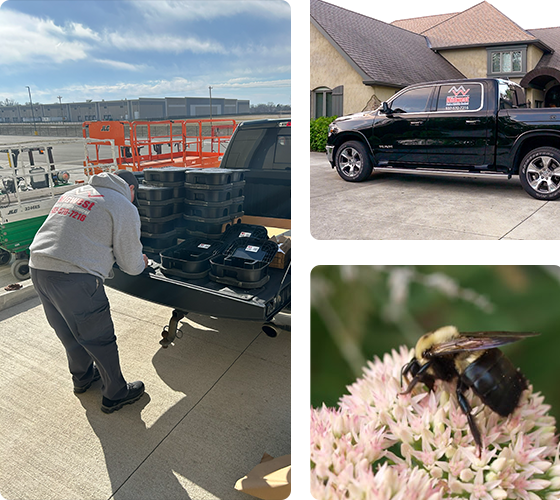
Your home should feel comfortable without insects or rodents turning rooms into places you avoid. Residential service addresses the problem while respecting how your family uses the property each day.

Commercial Pest Control
Business owners cannot ignore pest sightings in areas used by employees or customers. Commercial service addresses the concern while allowing normal work to continue with fewer unnecessary interruptions each day.
Ant Control
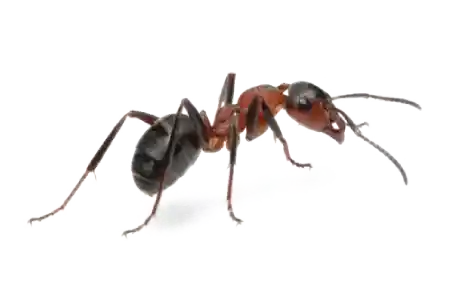
Ant trails often begin near food, moisture, or exterior gaps. We trace their movement to the source, identify the species, and treat the areas that allow indoor activity to persist.
Bed Bug Control
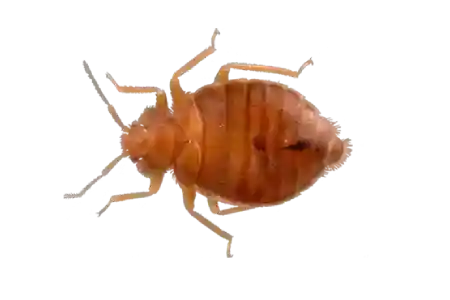
Bed bugs can remain unnoticed near sleeping areas for weeks. Dark spots or shed skins may expose them, and clear preparation guidance helps homeowners ready the room before service begins.
Carpenter Bees Control
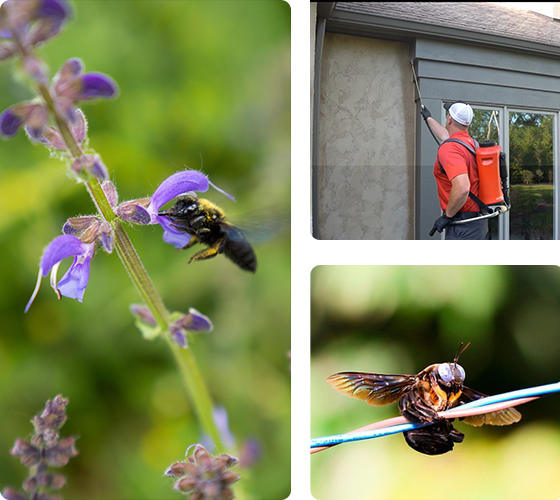
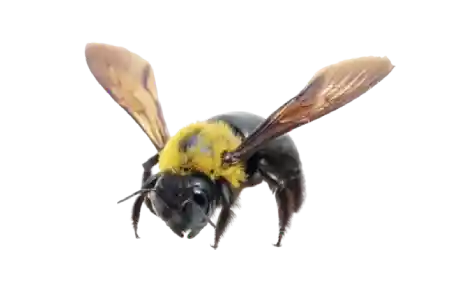
Round holes and fresh sawdust can point to an occupied nest. Our carpenter bee removal concentrates on confirmed sites, leaving surrounding timber alone when no nesting signs appear elsewhere nearby.

Centipede Control
Centipedes often turn up where dampness and smaller insects overlap. An inspection follows likely entry routes, checks moisture-heavy spaces, and addresses the conditions that keep attracting them into the building.
Cockroach Control
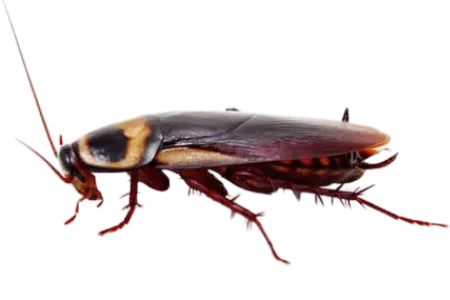
Warm, damp areas near plumbing often draw cockroaches. Technicians first identify the species and then find where activity is strongest. The response reflects what they uncover during the inspection onsite.
Cricket Control
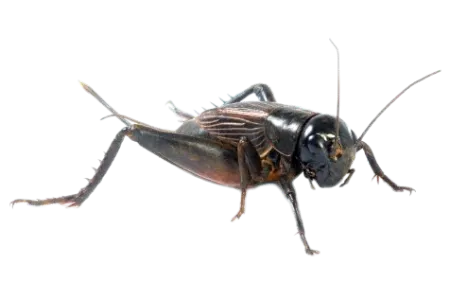
Crickets often enter through gaps near ground level and settle in quiet rooms. Their chirping gives away the location, while closing the opening lowers the chance of another visit later.
Earwig Control
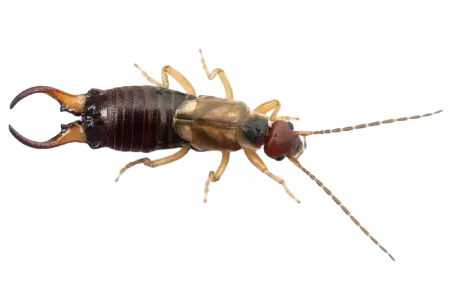
Earwigs gather in damp ground beside foundations, especially after rain. Outdoor checks uncover shelter and identify openings earwigs may use when wet weather drives them inside from the surrounding soil.
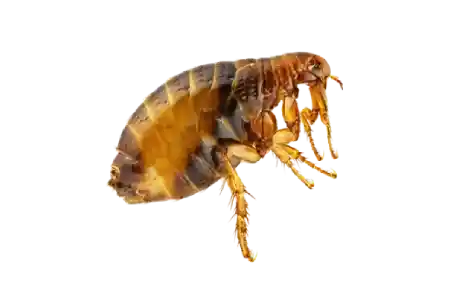
Flea & Mite Control
Fleas and mites often follow pet or wildlife activity indoors. Our service also handles these pests by tracing where they started before choosing treatment carefully.
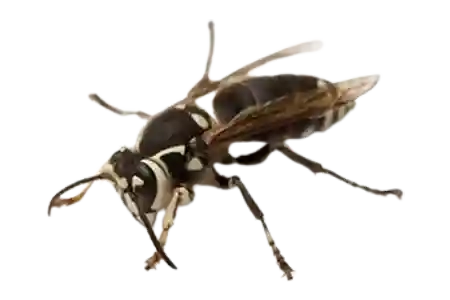
Hornet Control
Hornets sometimes nest above entrances or beneath roof edges where daily traffic passes nearby. We confirm the exact location first, then plan removal around how the space is used regularly.
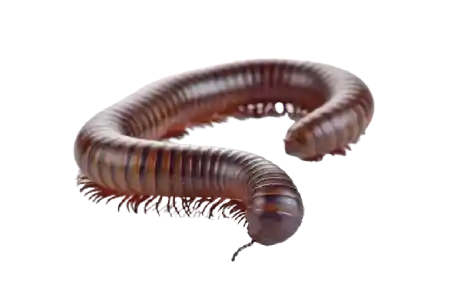
Millipede Control
Millipedes often move indoors after wet weather or when outdoor shelter becomes crowded. We address foundation entry areas and moisture conditions that allow these occasional invaders to gather near buildings.
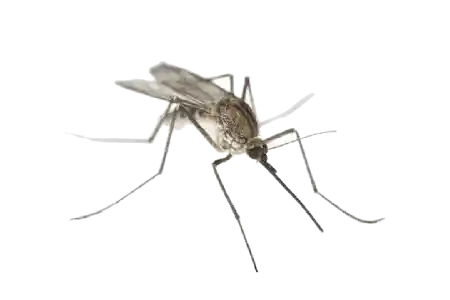
Mosquito Control
Mosquito pressure often develops around standing water near a property. We inspect likely breeding areas, treat resting zones when appropriate, and explain water management steps that interrupt new generations outdoors.
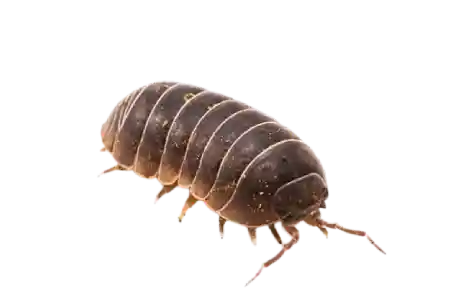
Pill Bug Control
Rain often drives pill bugs indoors through small foundation gaps. Our expert can trace their entry route and suggest moisture changes that make the area much less inviting.

Rodent Control
Rodents can enter through very small gaps around a building. Signs along their path help us determine where control is needed and which exterior openings should be sealed after service.
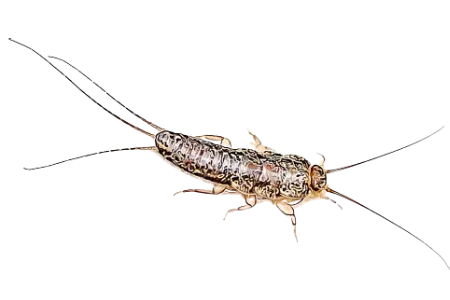
Silverfish Control
Silverfish often appear in rooms where dampness lingers, and paper sits undisturbed. We trace the moisture source first, then treat the spots where signs of their presence are found indoors.
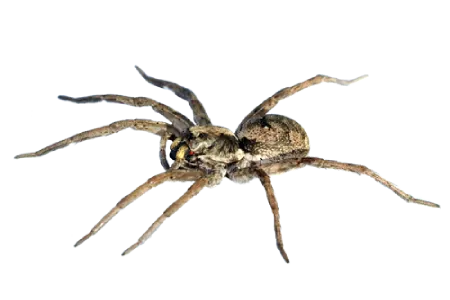
Spider Control
Spiders often follow insect prey into basements, garages, and exterior corners. We remove accessible webbing, treat relevant harborages, and examine conditions that keep drawing insects toward the building from outside.
Termite Control
Our local exterminators also inspect for termites, tracing concealed soil pathways, checking visible damage, distinguishing similar insects, and recommending treatment based on documented findings throughout the affected property.
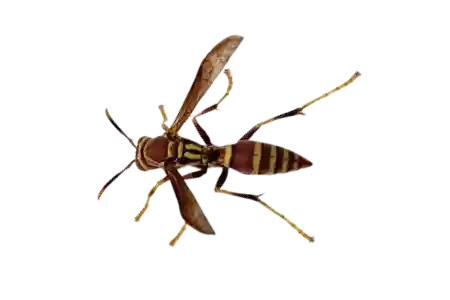
Wasp Control
Wasps may nest beneath eaves, inside wall gaps, or around outdoor structures. We confirm the species and nest location before selecting treatment suited to the access point and activity level.
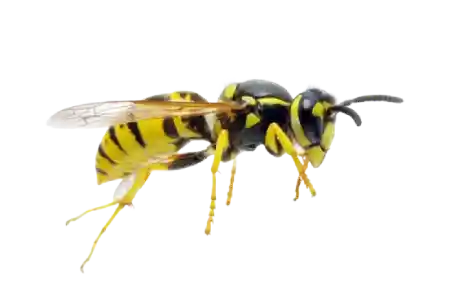
Yellow Jacket Control
Yellow jackets become more noticeable when colonies grow, and food preferences change later in summer. We locate nesting activity and treat the source rather than chasing insects around gathering areas.

Examine Entry Holes and Surrounding Wood
Fresh sawdust beneath an opening can reveal recent activity. Our carpenter bee specialists also examine older nesting spots because returning females often choose wood they have used before in spring.

Treat Confirmed Nesting Sites
When current activity is found, treatment goes into the confirmed nesting site instead of across every exposed board. This approach concentrates service where bees are using the wood right now.

Plan Repairs and Deterrence
After treatment, we explain when holes may be closed and which exposed wood needs attention. A finish or material repair can make previously attractive surfaces less inviting to nesting bees.
 Ryan has done flea control at my dads house and today took care of termites. I would recommend him 100%. Local company and backs up with a warranty! If anyone has any bug issues call Ryan!
Ryan’s service was exceptional! He is very professional and took the time to answer all of our questions. We would definitely use his services again if needed.
Ryan was very professional and extremely responsive. He even came out to the house on a Sunday to treat our wasp problem. We will definitely use his business again in the future.
Ryan was very professional and had impeccable communication. He was thorough when explaining the process and was always willing to answer any questions I had.
Ryan was professional, friendly, and highly knowledgeable in his field. He was thorough answering every question I had and very assuring regarding pet and children safety …
Great experience! Worked diligently to get our pest situation resolved and kept us informed every step of the way. Went the extra mile to make sure we were satisfied. …
Ryan has done flea control at my dads house and today took care of termites. I would recommend him 100%. Local company and backs up with a warranty! If anyone has any bug issues call Ryan!
Ryan’s service was exceptional! He is very professional and took the time to answer all of our questions. We would definitely use his services again if needed.
Ryan was very professional and extremely responsive. He even came out to the house on a Sunday to treat our wasp problem. We will definitely use his business again in the future.
Ryan was very professional and had impeccable communication. He was thorough when explaining the process and was always willing to answer any questions I had.
Ryan was professional, friendly, and highly knowledgeable in his field. He was thorough answering every question I had and very assuring regarding pet and children safety …
Great experience! Worked diligently to get our pest situation resolved and kept us informed every step of the way. Went the extra mile to make sure we were satisfied. …