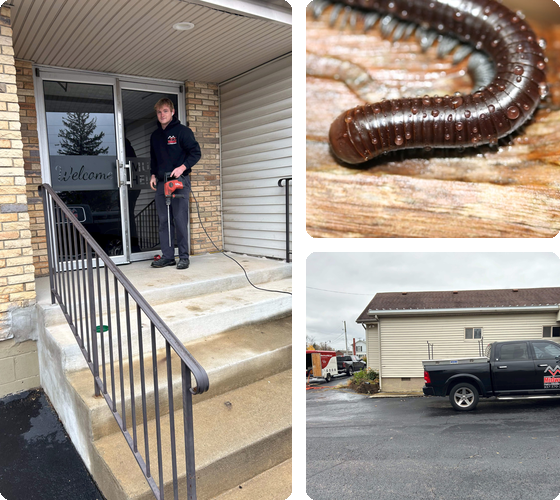



Residential Pest Control
A visit should fit your household rather than rearrange it. Timing stays flexible, issues get a plain explanation, and any response reflects how each room is actually used every day.

Commercial Pest Control
Our pest service is arranged around the workday so normal activity can continue. Managers receive a direct account of concerns while technicians complete the necessary tasks without disrupting staff or visitors onsite.
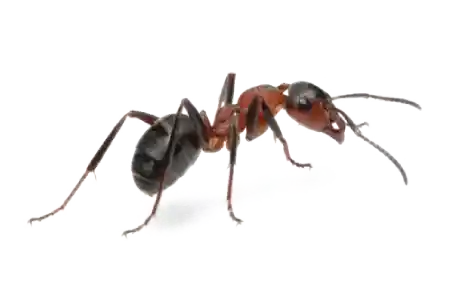
Ant Control
Ants may follow plumbing lines or foundation openings toward food and moisture. We inspect travel routes, treat colony access, and explain changes that can reduce repeated trails through occupied rooms.
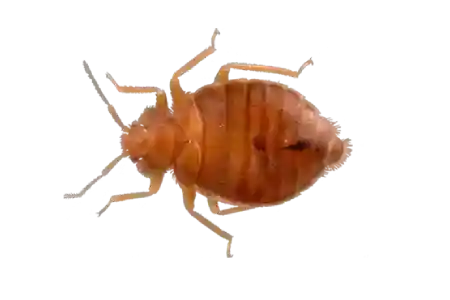
Bed Bug Control
Bed bugs hide in narrow seams near resting areas and spread through belongings. We inspect likely harborages, explain preparation clearly, and select treatment according to the infestation confirmed during inspection.
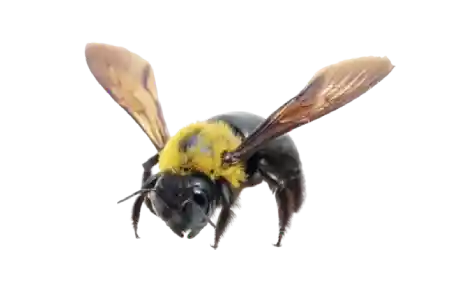
Carpenter Bee Control
Carpenter bees tunnel into unfinished wood around decks or roof edges. We find the entrance holes and treat occupied galleries based on where nesting extends beneath the surface.

Centipede Control
Centipedes enter lower rooms while searching for moisture and small insects. We examine damp areas, treat likely access points, and note conditions that may keep attracting them indoors after dark.
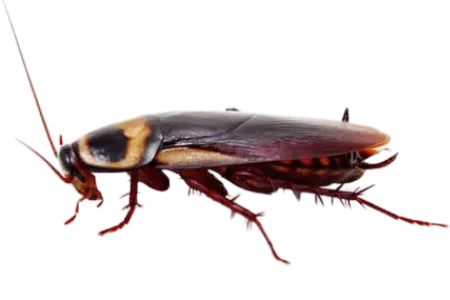
Cockroach Control
Roaches often stay near warm motors or leaking plumbing. The visit centers on greasy buildup and concealed harborages before the technician explains changes that can make kitchens less appealing afterward.
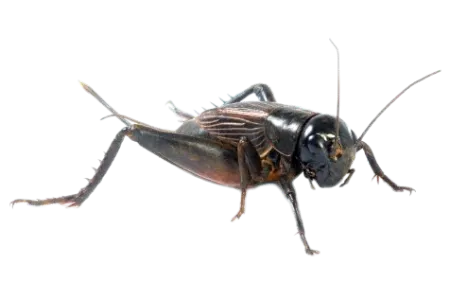
Cricket Control
Crickets may enter through worn weatherstripping or small cracks near ground level. Their path is followed from indoor chirping to sheltered exterior spots so the likely entry route becomes clear.
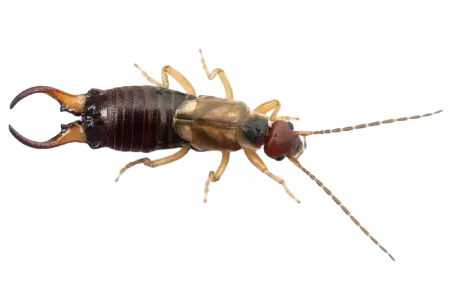
Earwig Control
Wet mulch often brings earwigs closer to exterior walls after rainfall. We inspect damp areas near the foundation and check how they may enter the property.
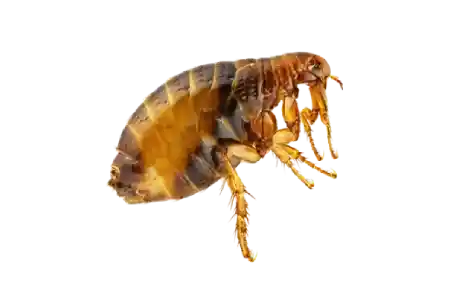
Flea & Mite Control
Fleas can arrive on pets while mites may leave abandoned nests. The inspection traces each source and checks affected rooms before deciding what approach fits the signs currently found indoors.
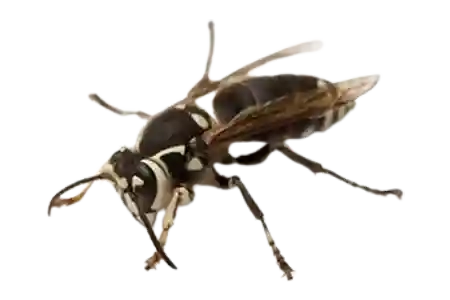
Hornet Control
Hornets sometimes settle beneath eaves or beside busy entryways. Watching their flight path exposes the colony’s position before work begins and keeps occupants clear of the immediate vicinity during treatment.

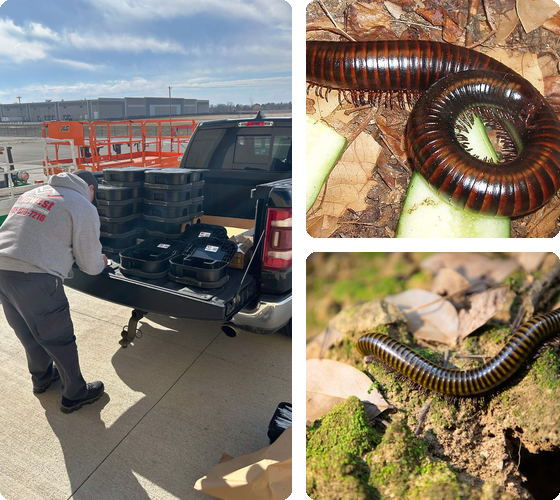
Millipede Control
Stormwater can drive millipedes from saturated soil onto patios and basement floors. Our millipede removal addresses cracks near ground level plus decaying debris that encourages repeated migration after heavy downpours.
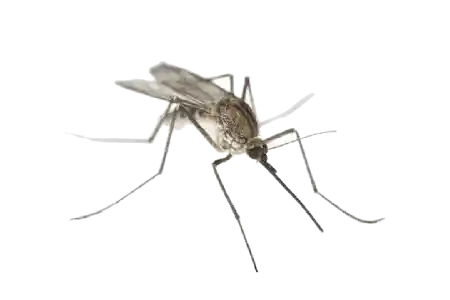
Mosquito Control
Clogged gutters and forgotten containers can quickly become mosquito nurseries. The visit starts near standing water before moving to shaded shrubs where adults settle between bites around the yard outside.
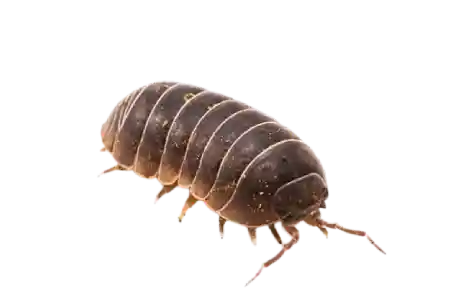
Pill Bug Control
Pill bugs thrive under soaked mulch and rotting leaves. Work begins beside the house to find damp pockets and small openings that let them wander into garages or downstairs rooms.

Rodent Control
Scratching behind walls or damaged packaging may signal rodents. Activity patterns guide trap placement while openings near pipes or doors are sealed to reduce the chance of another indoor intrusion.
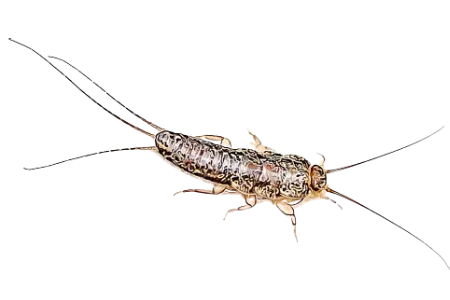
Silverfish Control
Silverfish favor dark rooms where cardboard or clothing remains untouched. Shed skins and surface damage help identify affected areas, while lowering humidity makes cupboards and closets less suitable over time.
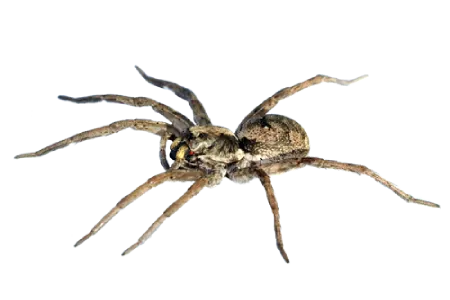
Spider Control
Spiders often settle where prey remains easy to find. We inspect web locations and nearby hiding places before recommending treatment for the affected areas.
Termite Control
Termite damage can remain hidden until wood begins to blister or weaken. Hollow sounds and surface changes help reveal possible activity before the next step is explained to the homeowner.
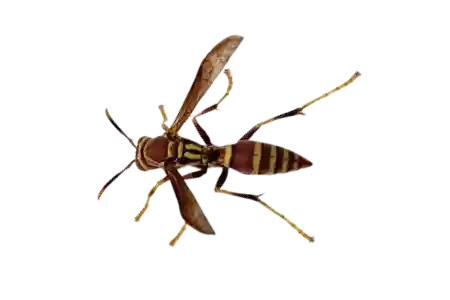
Wasp Control
Wasps may tuck nests beneath eaves or inside wall openings near busy areas. Watching where they fly leads us to the colony, so removal can begin with less disruption outside.
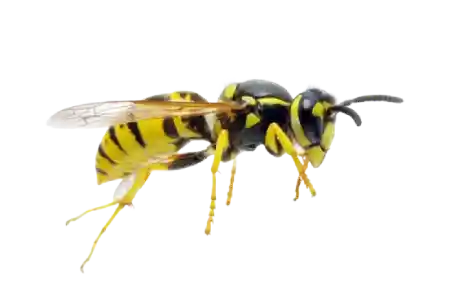
Yellow Jacket Control
Yellow jackets may nest underground or inside voids, especially later in summer. We identify the access point, treat colony activity, and explain what customers should expect after application is completed.

Check Where Millipedes Are Getting In
Basement doors often provide the first clue. Our millipede control specialists compare indoor sightings with wet ground outside to see how these pests enter the house after periods of heavy rain.

Treat Harborage and Access Areas
Work follows the routes millipedes actually use. Soggy debris may need clearing first while low cracks receive attention when fresh movement continues during long stretches of wet weather outside nearby.

Help Prevent Another Rush Indoors
Before leaving the technician explains what attracts millipedes and which changes may help. Follow-up timing is discussed if more rain sends another wave toward the house later after the visit.
 Ryan has done flea control at my dads house and today took care of termites. I would recommend him 100%. Local company and backs up with a warranty! If anyone has any bug issues call Ryan!
Ryan’s service was exceptional! He is very professional and took the time to answer all of our questions. We would definitely use his services again if needed.
Ryan was very professional and extremely responsive. He even came out to the house on a Sunday to treat our wasp problem. We will definitely use his business again in the future.
Ryan was very professional and had impeccable communication. He was thorough when explaining the process and was always willing to answer any questions I had.
Ryan was professional, friendly, and highly knowledgeable in his field. He was thorough answering every question I had and very assuring regarding pet and children safety …
Great experience! Worked diligently to get our pest situation resolved and kept us informed every step of the way. Went the extra mile to make sure we were satisfied. …
Ryan has done flea control at my dads house and today took care of termites. I would recommend him 100%. Local company and backs up with a warranty! If anyone has any bug issues call Ryan!
Ryan’s service was exceptional! He is very professional and took the time to answer all of our questions. We would definitely use his services again if needed.
Ryan was very professional and extremely responsive. He even came out to the house on a Sunday to treat our wasp problem. We will definitely use his business again in the future.
Ryan was very professional and had impeccable communication. He was thorough when explaining the process and was always willing to answer any questions I had.
Ryan was professional, friendly, and highly knowledgeable in his field. He was thorough answering every question I had and very assuring regarding pet and children safety …
Great experience! Worked diligently to get our pest situation resolved and kept us informed every step of the way. Went the extra mile to make sure we were satisfied. …