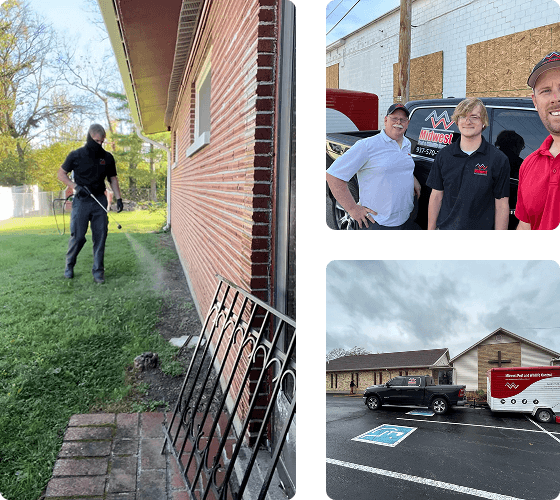



Residential Pest Control
Basements, closets, attics, and kitchens each hide pests differently. We inspect the whole pattern before choosing where treatment belongs.

Commercial Pest Control
For shops, offices, warehouses, and shared buildings, service is arranged around access, traffic, storage, and ordinary business hours.
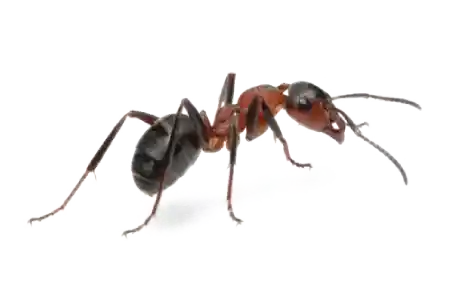
Ant Control
A trail near the sink may start far away. We trace food, moisture, and nesting routes before placing treatment.
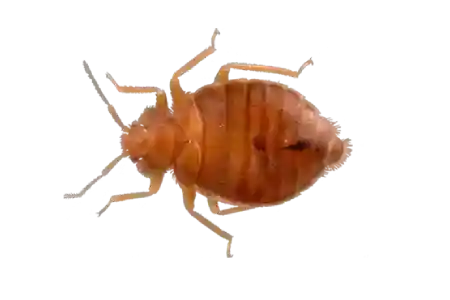
Bed Bug Control
Mattress seams are only one clue. We check frames, furniture joints, trim, and nearby rooms before recommending heat or chemicals.

Carpenter Bee Control
Fresh sawdust beneath a clean round hole usually points to carpenter bees. We find active galleries and treat affected wood.

Centipede Control
Centipedes often show up where dampness and smaller insects overlap. We look at both conditions instead of chasing one crawler.
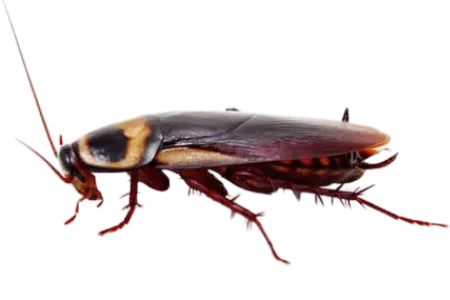
Cockroach Control
Roaches tuck into warm motors, cabinet voids, and tight seams. Treatment follows where they feed, rest, and reproduce.
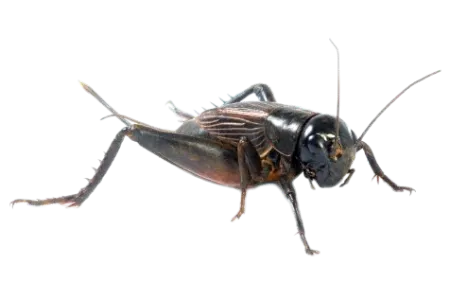
Cricket Control
Nighttime chirping can lead toward a garage edge, basement wall, or utility gap. We narrow down the hiding place.
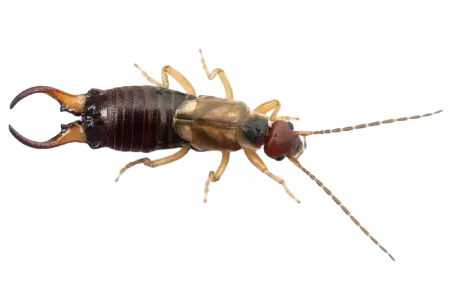
Earwig Control
Wet mulch, foundation seams, and cool lower rooms suit earwigs. We address outside shelter and their route into the building.
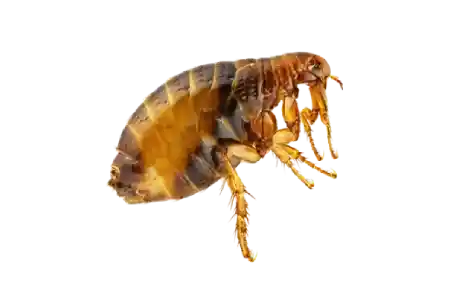
Flea & Mite Control
Bites, restless pets, or tiny specks can mean several pests. We sort out the source before planning the work.
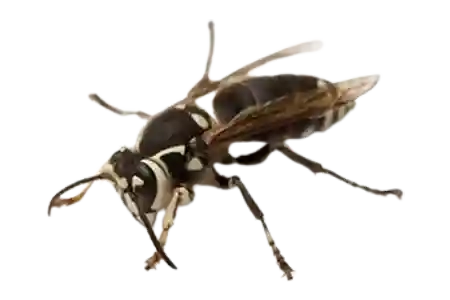
Hornet Control
A hornet nest near an entrance changes how the property can be used. We locate the colony and handle it carefully.

Millipede Control
After prolonged rain, millipedes may cross patios and basement floors in numbers. We treat damp edges and low entry points.
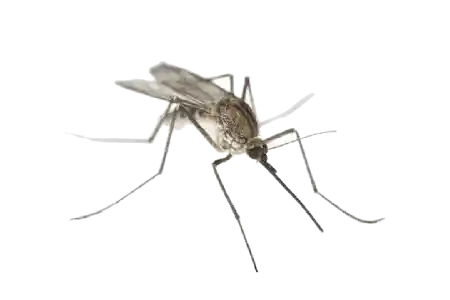
Mosquito Control
Shade and trapped water give mosquitoes places to rest and breed. We target both around yards, patios, and gathering spaces.
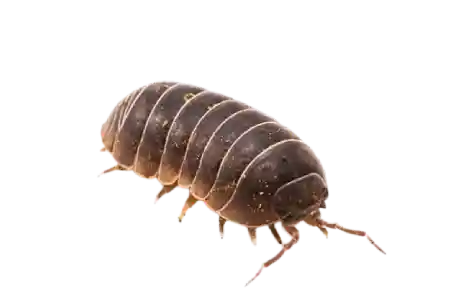
Pill Bug Control
Pill bugs stay close to wet soil and decaying plant matter. We work along foundations where they tend to wander.

Rodent Control
Droppings, gnaw marks, and nighttime noise help map rodent travel. We trap active animals and inspect practical entry routes.
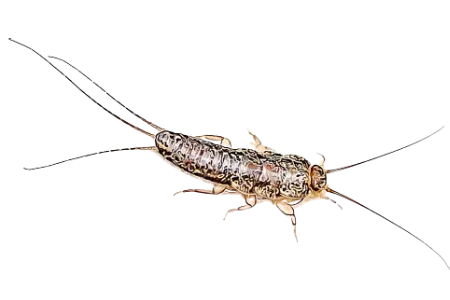
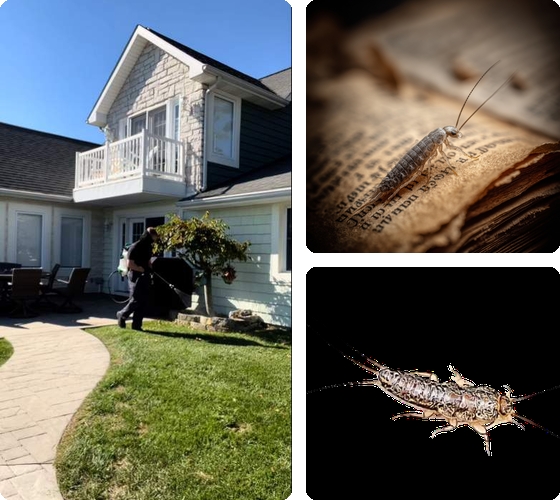
Silverfish Control
Silverfish hide beside boxes, books, wallpaper, and stored fabric. Our silverfish control specialists treat quiet crevices while checking the humidity behind them.
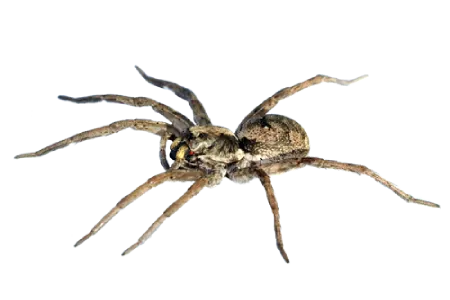
Spider Control
Webs usually mean prey remains nearby. We treat spider shelter and reduce the insects keeping that corner useful.
Termite Control
Termites can feed inside framing without obvious noise. A careful inspection shows where activity stands before treatment is chosen.
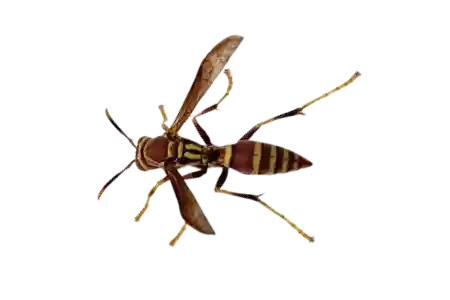
Wasp Control
Eaves, rails, shutters, and equipment covers offer wasps easy nesting space. We find the active site before disturbing it.
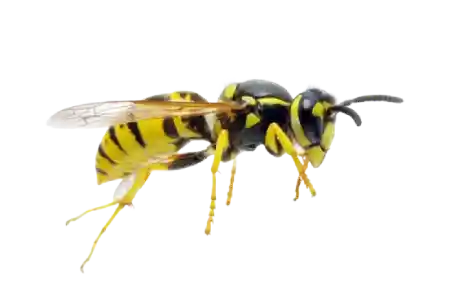
Yellow Jacket Control
Steady flight into soil or siding can reveal a hidden colony. We watch the route, then treat the actual nest.

Read The Room And The Storage
Our Miami Valley silverfish control pros begin where silverfish or damage appeared, then check nearby boxes, shelving, paper goods, baseboards, plumbing, and humid rooms to learn how far the activity has spread through the property.

Treat The Places They Actually Use
Findings decide where treatment goes. We focus on cracks, wall edges, storage zones, and other protected spaces rather than spraying open floors where silverfish rarely remain for long.

Change What Keeps Them Comfortable
After treatment, we point out moisture, cardboard buildup, leaking fixtures, or crowded storage that may keep silverfish settled. Our silverfish control Miami Valley, OH, workers explain what activity could still appear during the next several days.
 Ryan has done flea control at my dads house and today took care of termites. I would recommend him 100%. Local company and backs up with a warranty! If anyone has any bug issues call Ryan!
Ryan’s service was exceptional! He is very professional and took the time to answer all of our questions. We would definitely use his services again if needed.
Ryan was very professional and extremely responsive. He even came out to the house on a Sunday to treat our wasp problem. We will definitely use his business again in the future.
Ryan was very professional and had impeccable communication. He was thorough when explaining the process and was always willing to answer any questions I had.
Ryan was professional, friendly, and highly knowledgeable in his field. He was thorough answering every question I had and very assuring regarding pet and children safety …
Great experience! Worked diligently to get our pest situation resolved and kept us informed every step of the way. Went the extra mile to make sure we were satisfied. …
Ryan has done flea control at my dads house and today took care of termites. I would recommend him 100%. Local company and backs up with a warranty! If anyone has any bug issues call Ryan!
Ryan’s service was exceptional! He is very professional and took the time to answer all of our questions. We would definitely use his services again if needed.
Ryan was very professional and extremely responsive. He even came out to the house on a Sunday to treat our wasp problem. We will definitely use his business again in the future.
Ryan was very professional and had impeccable communication. He was thorough when explaining the process and was always willing to answer any questions I had.
Ryan was professional, friendly, and highly knowledgeable in his field. He was thorough answering every question I had and very assuring regarding pet and children safety …
Great experience! Worked diligently to get our pest situation resolved and kept us informed every step of the way. Went the extra mile to make sure we were satisfied. …