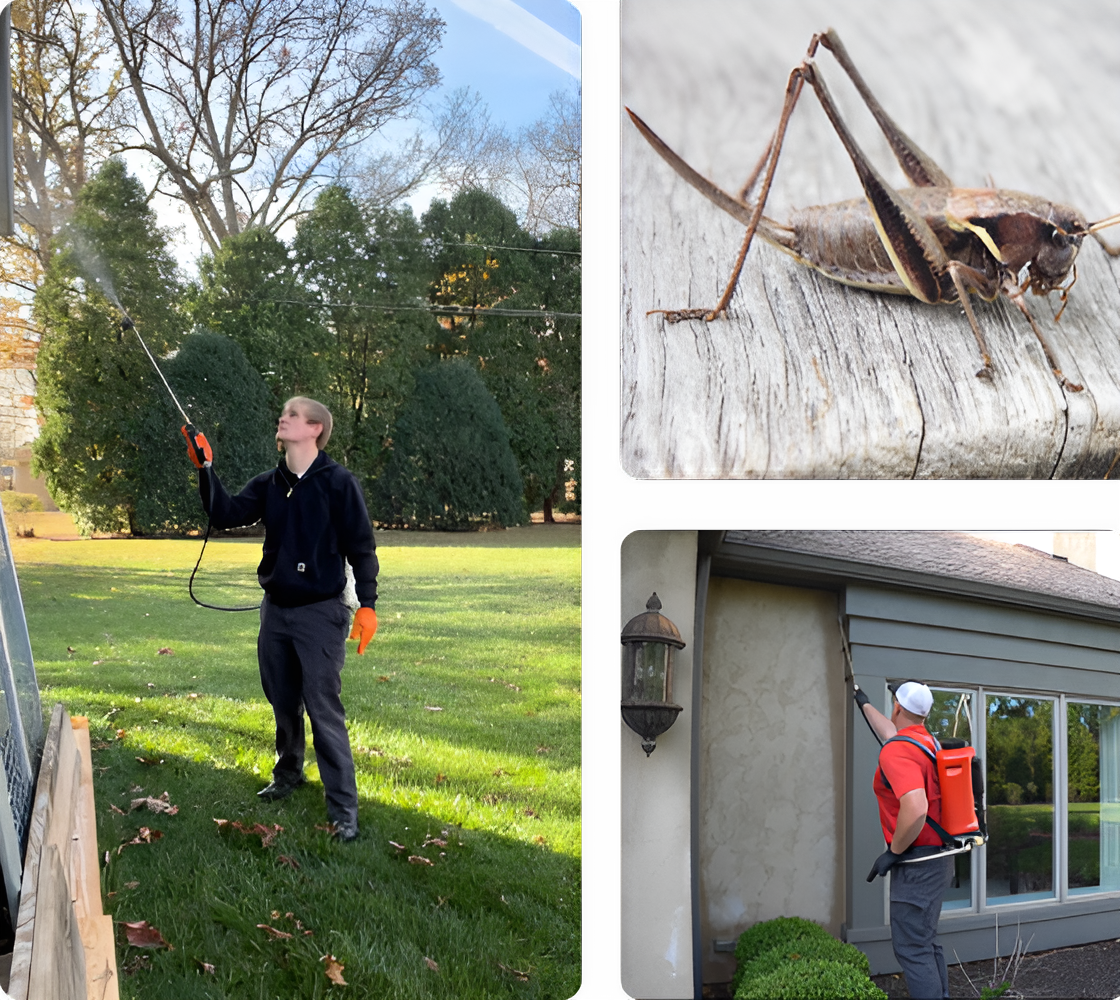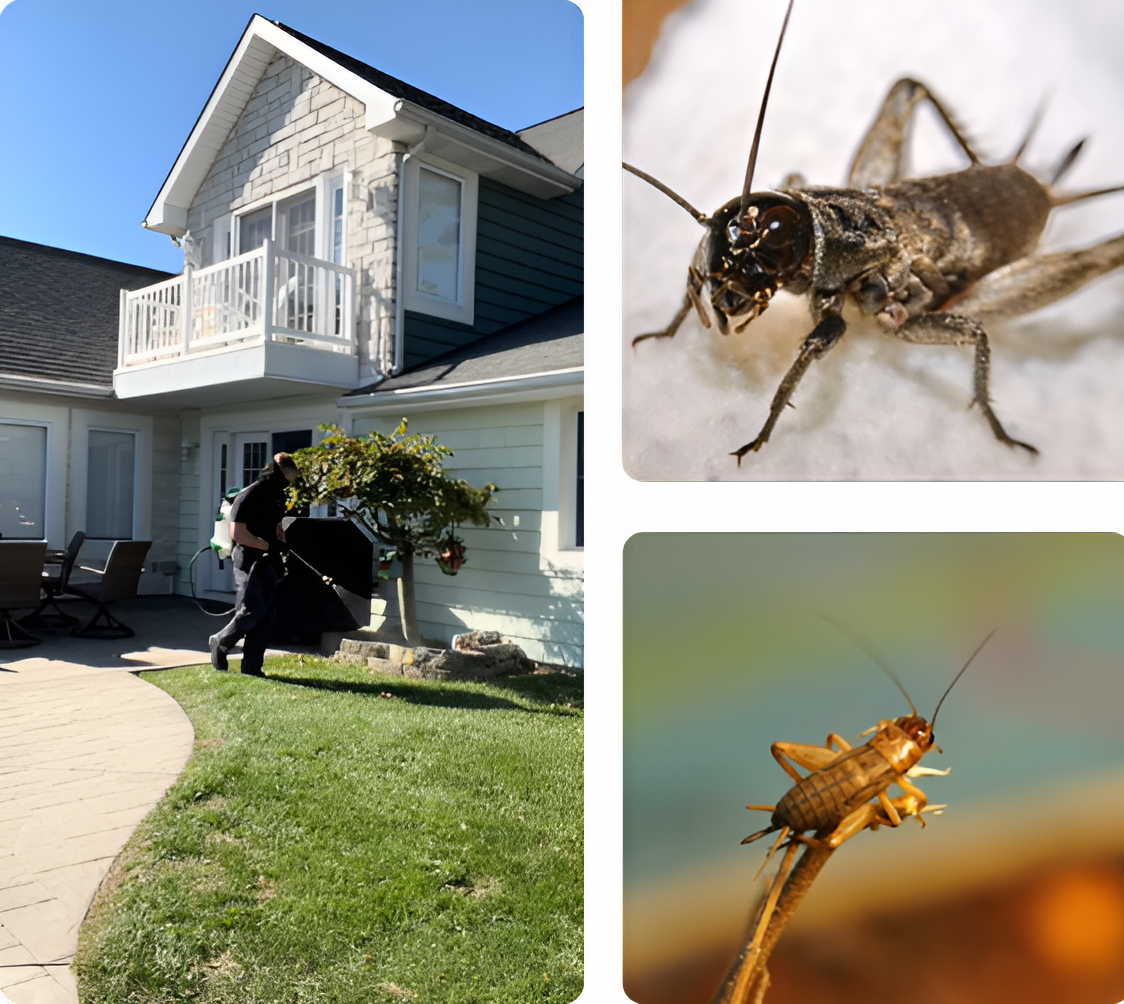



Residential Pest Control
In homes, we look at the spots people rarely check: garage seals, basement corners, porch edges, crawl access, sheds, and gaps.

Commercial Pest Control
For businesses, we work around stock, prep areas, tenant spaces, customer traffic, and the hours the building needs to stay usable.
Ant Control
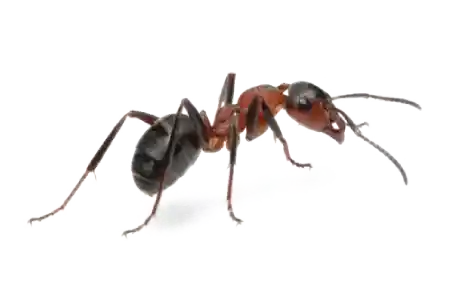
Ant work starts with the line they are following: crumbs, damp wood, wall cracks, or a nest sitting just outside.
Bed Bug Control
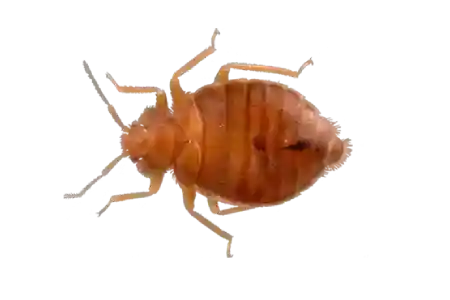
Bed bugs make the bed look guilty, but nearby furniture, seams, frames, and cracks can carry the real problem.
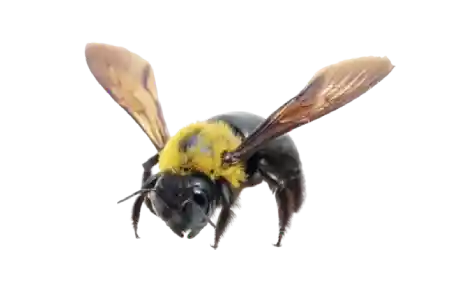
Carpenter Bee Control
Carpenter bees mark exposed wood with round openings. We find active galleries and treat the nesting points.

Centipede Control
Centipedes often turn up where dampness stays hidden. Basements, drains, crawl spaces, and utility corners get checked.
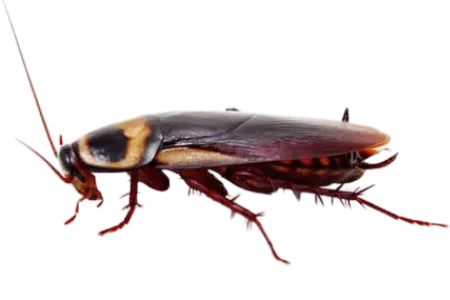
Cockroach Control
Cockroaches may be interfering with your daily household activities. We expertly eliminate them using tried and true baiting and total removal methods.
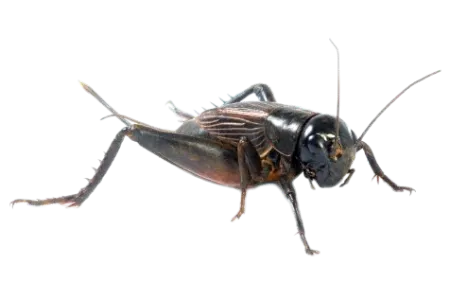
Cricket Control
Crickets may follow lights, gaps, and cool shelter indoors. Our cricket control specialists inspect lower rooms, garage edges, and entry points.
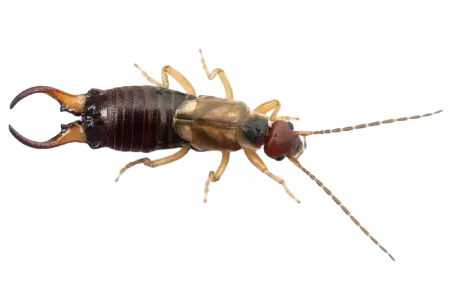
Earwig Control
Earwigs favor damp cover around mulch, bathrooms, foundation edges, and basements. We reduce the draw and treat access.
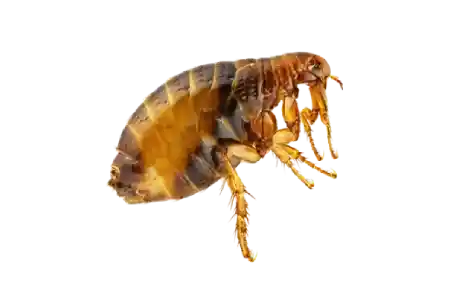
Flea & Mite Control
Fleas and mites can spread through pets, fabrics, furniture, bedding, or wildlife pressure. We treat repeat-contact areas.
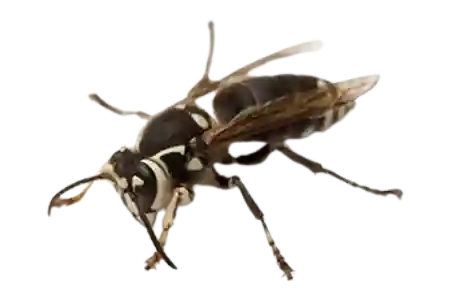
Hornet Control
Hornets near rooflines, porches, trees, or work areas need careful handling. We locate the nest before treatment.

Millipede Control
Millipedes often appear after wet weather around mulch, doors, foundations, or lower walls. We address moisture-side access.
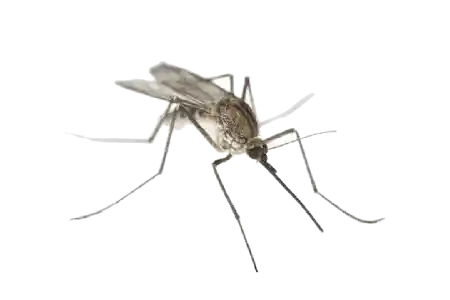
Mosquito Control
Mosquito pressure often begins in standing water, shade, gutters, containers, and thick vegetation. We focus outdoors first.
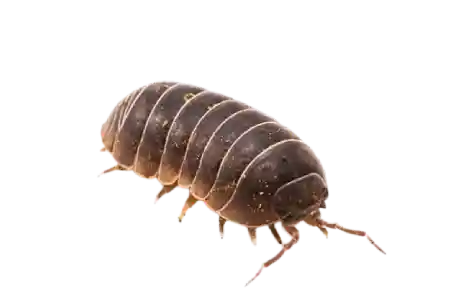
Pill Bug Control
Pill bugs collect around rotting wood, damp soil, mulch, and foundation seams. We treat the conditions that hold them.

Rodent Control
Mice usually leave a trail before showing themselves. We read the droppings, chew marks, wall noise, and gaps.
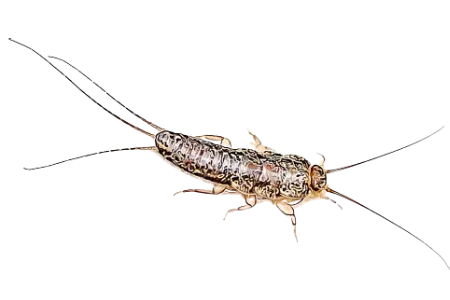
Silverfish Control
Silverfish often turn up where paper, cardboard, damp air, and quiet storage meet. We treat those hiding places.
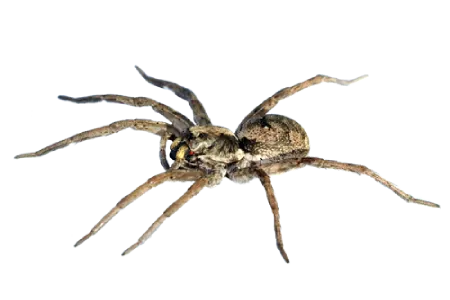
Spider Control
Spiders often follow insect activity. We remove webbing, treat sheltered corners, and look for the prey source.
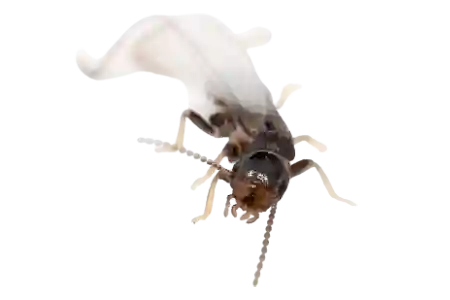
Termite Control
Termite warning signs may be slight. We inspect damaged wood, moisture, tubes, and structural contact points.
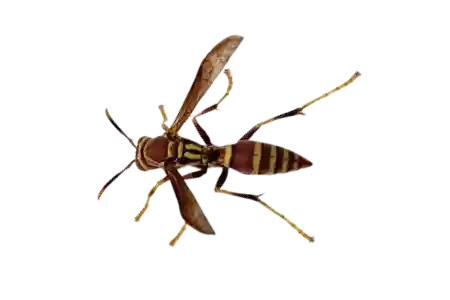
Wasp Control
Wasps near eaves, rails, decks, or wall openings can change quickly. We locate the nest and handle the active spot.
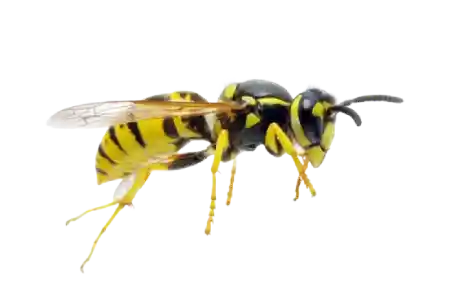
Yellow Jacket Control
Yellow jackets may be under soil, inside walls, or near busy outdoor areas. We find the colony before touching it.

Start Where The Chirping Leads
Our Miami Valley cricket control technicians check the room where crickets were heard or seen, then move toward door gaps, basement corners, crawl areas, lights, clutter, and foundation edges.

Treat The Active Shelter
Treatment is shaped around the cricket activity, not spread blindly. We focus on hiding places, access lines, exterior pressure, and the rooms involved.

Make The Return Less Easy
Cricket control lasts longer when the easy shelter is reduced. We point out gaps, damp storage, lights, clutter, and outdoor cover that may keep activity going.
 Ryan has done flea control at my dads house and today took care of termites. I would recommend him 100%. Local company and backs up with a warranty! If anyone has any bug issues call Ryan!
Ryan’s service was exceptional! He is very professional and took the time to answer all of our questions. We would definitely use his services again if needed.
Ryan was very professional and extremely responsive. He even came out to the house on a Sunday to treat our wasp problem. We will definitely use his business again in the future.
Ryan was very professional and had impeccable communication. He was thorough when explaining the process and was always willing to answer any questions I had.
Ryan was professional, friendly, and highly knowledgeable in his field. He was thorough answering every question I had and very assuring regarding pet and children safety …
Great experience! Worked diligently to get our pest situation resolved and kept us informed every step of the way. Went the extra mile to make sure we were satisfied. …
Ryan has done flea control at my dads house and today took care of termites. I would recommend him 100%. Local company and backs up with a warranty! If anyone has any bug issues call Ryan!
Ryan’s service was exceptional! He is very professional and took the time to answer all of our questions. We would definitely use his services again if needed.
Ryan was very professional and extremely responsive. He even came out to the house on a Sunday to treat our wasp problem. We will definitely use his business again in the future.
Ryan was very professional and had impeccable communication. He was thorough when explaining the process and was always willing to answer any questions I had.
Ryan was professional, friendly, and highly knowledgeable in his field. He was thorough answering every question I had and very assuring regarding pet and children safety …
Great experience! Worked diligently to get our pest situation resolved and kept us informed every step of the way. Went the extra mile to make sure we were satisfied. …