


Residential Pest Control
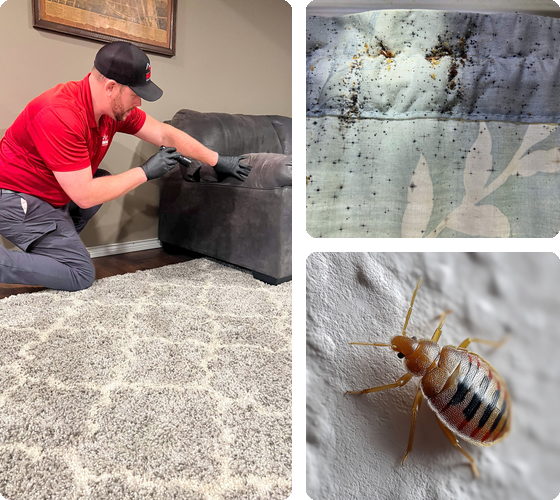
Residential calls often begin with a specific sighting in one room. We ask what the homeowner has noticed before deciding how much of the house needs attention during the visit.

Commercial Pest Control
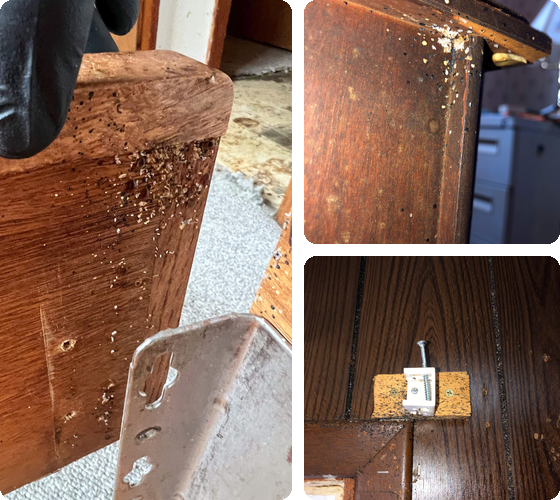
Goods often move through several parts of a commercial property each day. We account for that traffic when examining receiving areas and customer-facing spaces across the business during a visit.
Ant Control
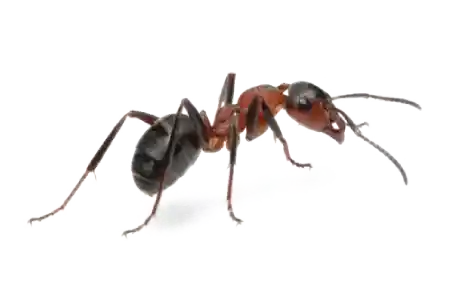
We inspect ant trails to find where they enter and identify the species involved. Treatment targets the affected area, and we note conditions that may be contributing to the problem.
Bed Bug Control
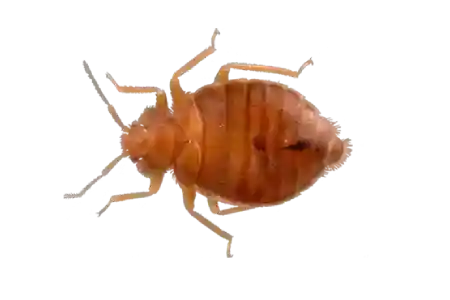
Our bed bug extermination services extend beyond the mattress. We inspect nearby hiding places to confirm the problem, then provide room-specific preparation instructions before treatment begins in the affected area.
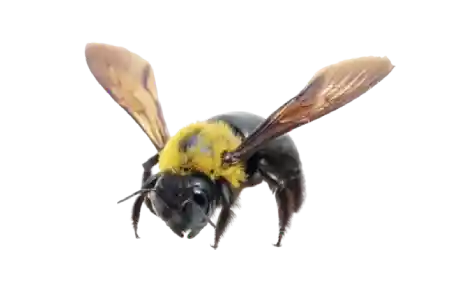
Carpenter Bees Control
Carpenter bees leave almost perfectly round holes in bare wood. We check whether those tunnels are occupied before treatment. Any chewed or weakened wood that remains may need separate repair.

Centipede Control
Centipedes usually follow moisture and other insects into basements, bathrooms, or storage areas. We assess those conditions, treat affected zones, and identify changes that can reduce suitable harborage inside buildings.
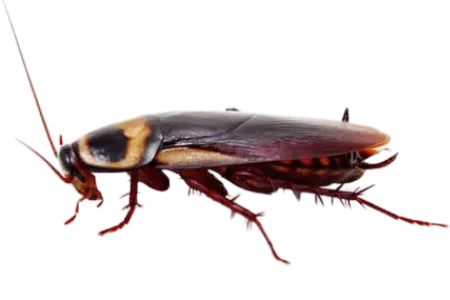
Cockroach Control
Seeing one cockroach can mean others are hiding nearby. We identify the species and note where it appeared before treating. We point out conditions that may be drawing them indoors.
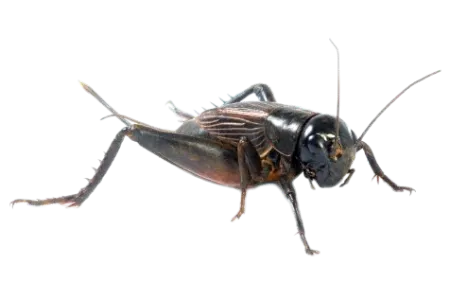
Cricket Control
Crickets may gather in dark, damp parts of a building before wandering into occupied rooms. Pest control addresses those sheltered areas. Openings near ground level may need sealing afterward as well.
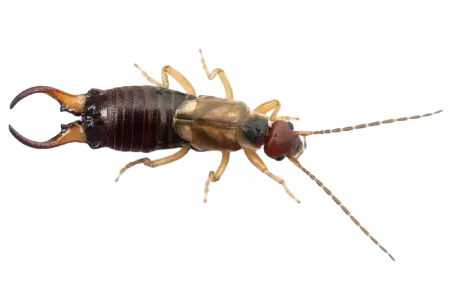
Earwig Control
Finding earwigs in a bathroom or basement often points to a moisture problem nearby. Our service covers indoor hiding places and outdoor entry routes, with pethe st method chosen for each location.
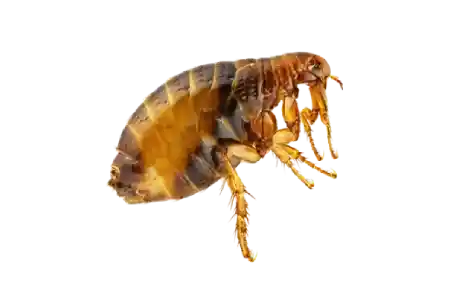
Flea & Mite Control
Fleas often settle where pets rest, while mites can come from other sources. We confirm which pest is present, then direct control work toward the areas involved inside the property.
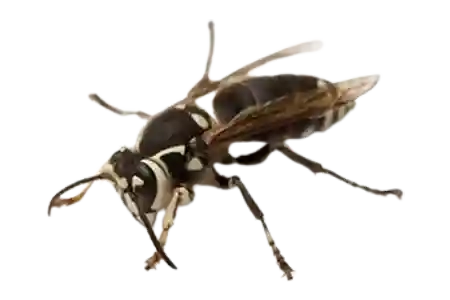
Hornet Control
A hornet nest near a doorway or walkway can put anyone passing nearby at risk of stings. We locate it from a distance before deciding how the removal should proceed.
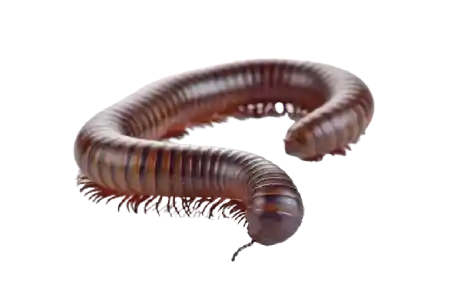
Millipede Control
Millipedes found inside have usually wandered in from the yard. We deal with the immediate problem and check why they have turned up in such large numbers around the building.
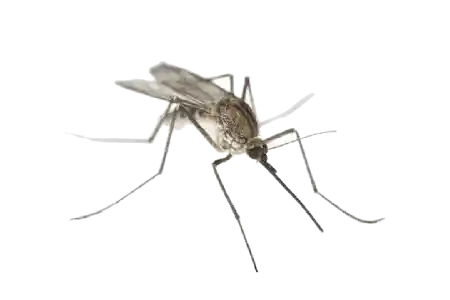
Mosquito Control
A forgotten bucket can produce more mosquitoes than you might expect. We check where water has collected, then apply mosquito control to shady areas where adults rest during daylight hours.
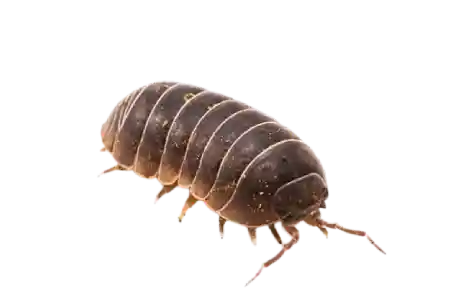
Pill Bug Control
Pill bugs found in a basement are usually visitors rather than an indoor colony. The moisture they depend on sends our work outdoors, closer to the places where they gather.
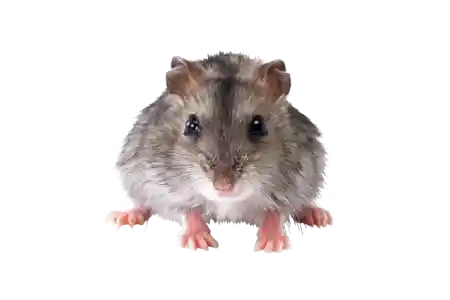
Rodent Control
Fresh droppings tell us more than a quick glimpse of a mouse. We read the signs to learn where rodents travel, then base the pest control work on what we find.
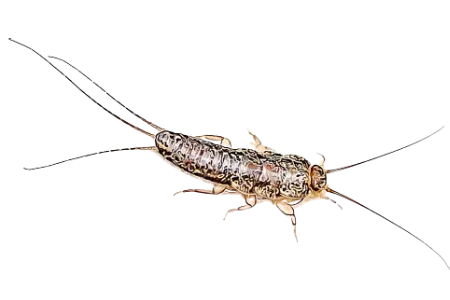
Silverfish Control
Silverfish can chew through book bindings and stored papers without drawing much attention. We treat behind shelving and inside storage areas, where these insects can remain undisturbed for long periods.
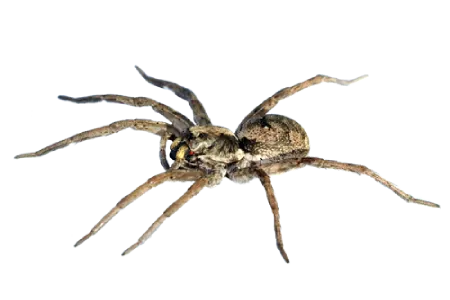
Spider Control
Knocking down a web does little if spiders still have insects to eat nearby. Our pest service deals with the spiders present and the pest population giving them reason to stay.
Termite Control
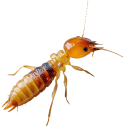
Termite damage can resemble moisture damage in softened or blistered wood. Before discussing treatment, we determine whether termites caused it or moisture is responsible. That distinction changes the next steps.
Wasp Control
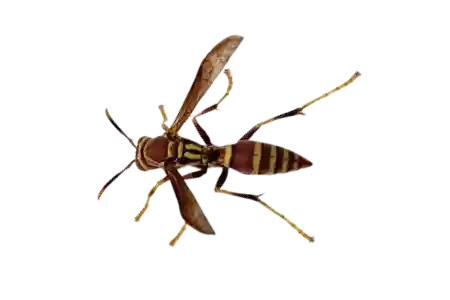
A steady stream of wasps disappearing into one crack usually means the nest sits out of view. We watch their flight path, then address the nest where it actually sits.
Yellow Jacket Control
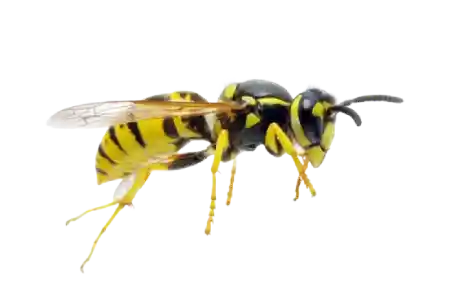
Yellow jackets become especially noticeable around food, trash, patios, and hidden nests late in summer. We determine where they are nesting and address the colony while explaining important site precautions.

Inspect and Confirm
Skin marks can look suspicious, but they do not tell the whole story. We search the sleeping area for evidence of bed bugs before discussing the next step with you.

Prepare and Treat
Preparation should match the job, not empty the whole house. We explain what needs moving and what should stay put. Then our bed bug removal work begins in confirmed areas.

Recheck and Advise
We review treated areas for remaining evidence and explain what to watch for afterward. Follow-up recommendations depend on inspection findings, property conditions, and the full extent of the original activity.
 Ryan has done flea control at my dads house and today took care of termites. I would recommend him 100%. Local company and backs up with a warranty! If anyone has any bug issues call Ryan!
Ryan’s service was exceptional! He is very professional and took the time to answer all of our questions. We would definitely use his services again if needed.
Ryan was very professional and extremely responsive. He even came out to the house on a Sunday to treat our wasp problem. We will definitely use his business again in the future.
Ryan was very professional and had impeccable communication. He was thorough when explaining the process and was always willing to answer any questions I had.
Ryan was professional, friendly, and highly knowledgeable in his field. He was thorough answering every question I had and very assuring regarding pet and children safety …
Great experience! Worked diligently to get our pest situation resolved and kept us informed every step of the way. Went the extra mile to make sure we were satisfied. …
Ryan has done flea control at my dads house and today took care of termites. I would recommend him 100%. Local company and backs up with a warranty! If anyone has any bug issues call Ryan!
Ryan’s service was exceptional! He is very professional and took the time to answer all of our questions. We would definitely use his services again if needed.
Ryan was very professional and extremely responsive. He even came out to the house on a Sunday to treat our wasp problem. We will definitely use his business again in the future.
Ryan was very professional and had impeccable communication. He was thorough when explaining the process and was always willing to answer any questions I had.
Ryan was professional, friendly, and highly knowledgeable in his field. He was thorough answering every question I had and very assuring regarding pet and children safety …
Great experience! Worked diligently to get our pest situation resolved and kept us informed every step of the way. Went the extra mile to make sure we were satisfied. …