


Residential Pest Control
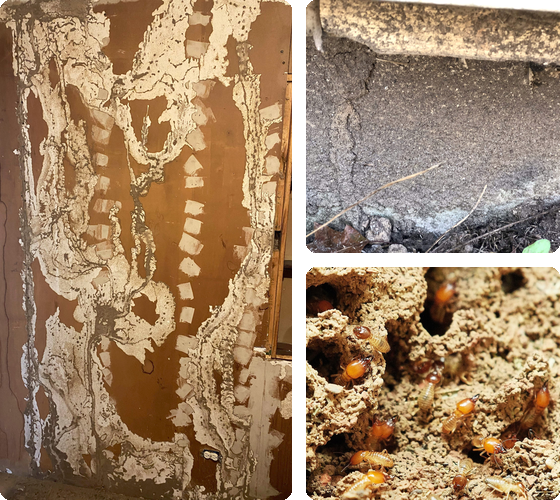
Basements, kitchens, attics, and garages each leave different clues. We read the property before deciding where treatment should begin.

Commercial Pest Control
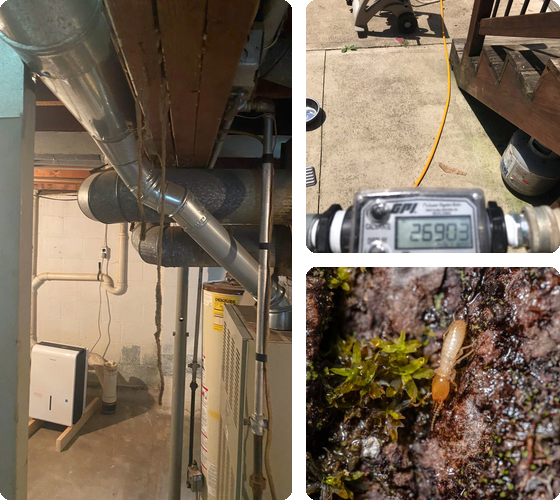
Workplaces cannot pause for pests. We shape discreet service around stock, staff, customer areas, access rules, and operating hours.
Ant Control
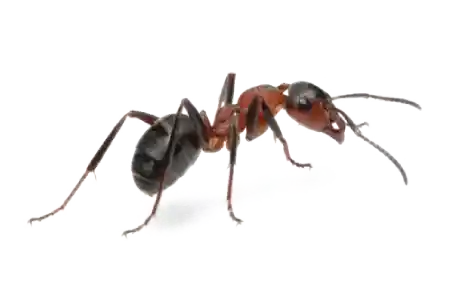
When ants vanish beneath trim or plumbing, the trail matters. We follow their movement toward food, moisture, and nesting space.
Bed Bug Control
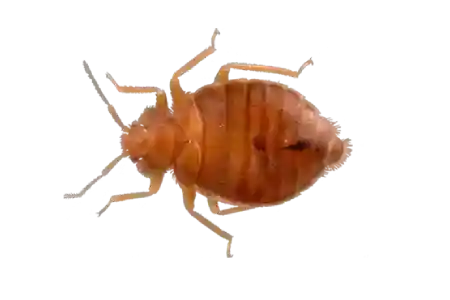
Dark spotting and shed skins can hide beyond the mattress. We inspect furniture joints and nearby rooms before selecting treatment.
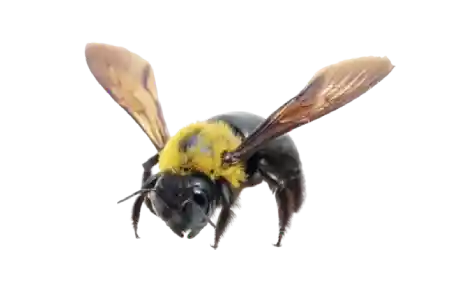
Carpenter Bees Control
Round holes and coarse wood dust often expose carpenter bee tunnels. We treat occupied galleries and check neighboring boards for activity.

Centipede Control
A racing centipede may be hunting other insects. Our visit looks at damp shelter and the prey keeping it indoors.
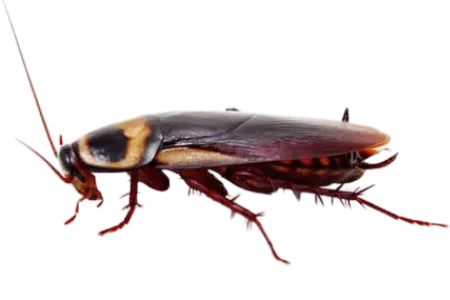
Cockroach Control
Warm motors, leaks, grease, and cardboard can keep roaches settled. We work through their tight feeding and breeding zones.
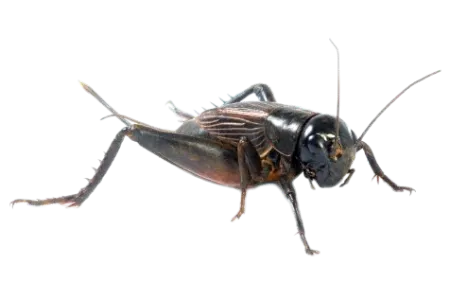
Cricket Control
Chirping after dark often leads to a lower-level gap. We search garages, basements, and utility openings for the route.
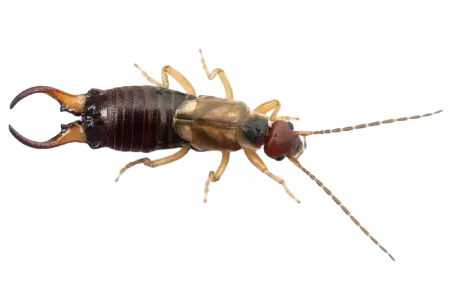
Earwig Control
Rain-soaked mulch can send earwigs toward foundations. We address the sheltered exterior pockets and low openings they use indoors.
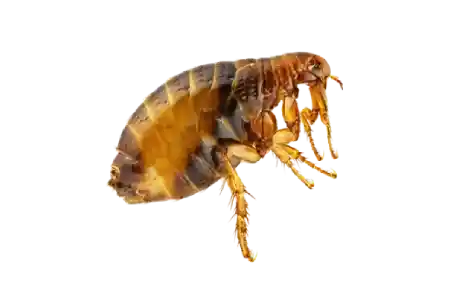
Flea & Mite Control
Similar bites can come from unrelated pests. Pet bedding, wildlife nests, fabrics, and room patterns help us separate the possibilities.
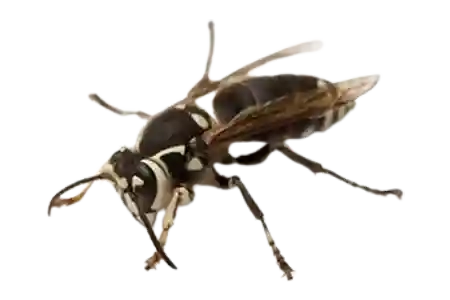
Hornet Control
A hornet colony near an entry or play space changes how the property feels. We locate the nest before acting.

Millipede Control
Large millipede gatherings usually follow soaked ground. Treatment centers on damp borders, foundation seams, and the lowest ways into the building.
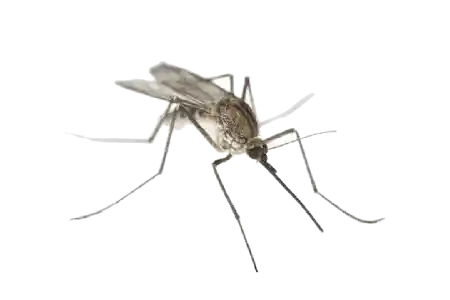
Mosquito Control
Collected water produces larvae; dense shade shelters adults. We concentrate service where both stages make yards uncomfortable.
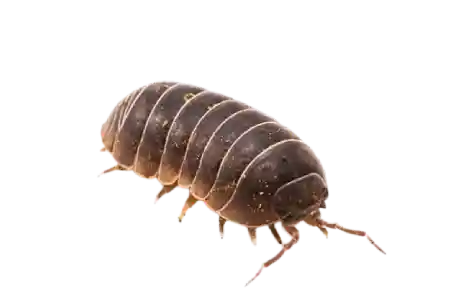
Pill Bug Control
Pill bugs belong in wet organic matter outdoors. Repeat indoor sightings point us toward saturated beds, thresholds, and foundation-level gaps.

Rodent Control
Chewed goods, dark rub marks, and late-night sounds reveal movement. We control active rodents and investigate the openings behind it.
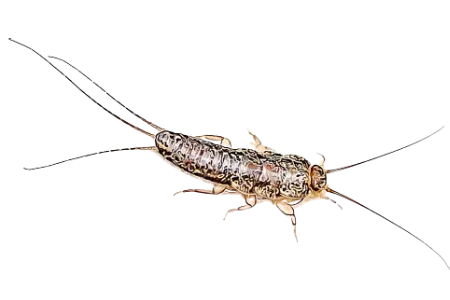
Silverfish Control
Yellowed paper, damaged bindings, and quick movement after lights switch on can expose silverfish hidden around humid storage.
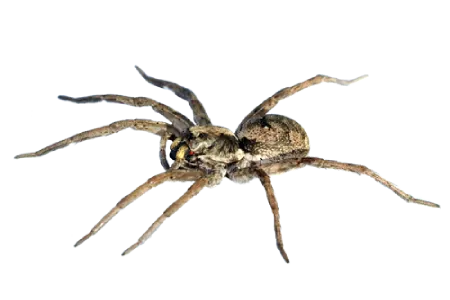
Spider Control
Web placement and prey remains reveal why spiders stay. We treat their shelter while addressing the insects feeding the activity.
Termite Control
Mud tubes, equal-sized shed wings, and hollow wood demand a closer look. Our termite control specialists inspect first, then match treatment to the structure.
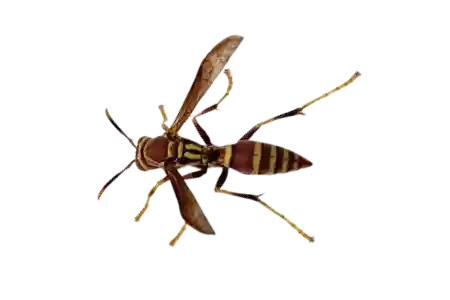
Wasp Control
An open paper comb under a rail or eave needs careful handling. We identify the active nest before disturbing it.
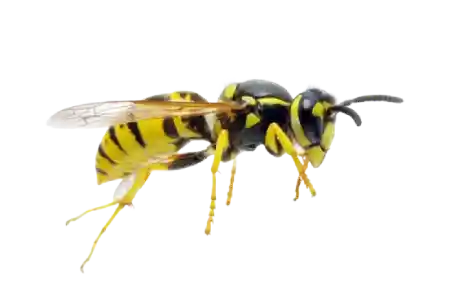
Yellow Jacket Control
Workers repeatedly entering soil, siding, or masonry can expose a hidden colony. We watch that traffic before placing treatment.

Map The Colony’s Working Route
We check foundations, sill plates, crawl spaces, attached garages, porches, plumbing entries, and wood touching soil, looking for mud tubes, shed wings, damaged wood, and moisture inside and outside.

Choose A Treatment That Fits
Inspection findings shape the recommendation. Our termite control company explains the available termite options, where work will occur, what preparation is needed, and why that approach suits the building, colony signs, and site conditions.

educe The Conditions They Use
After treatment, we flag drainage trouble, leaks, buried wood, blocked vents, foundation cracks, and stored lumber that could make the structure easier for termites to reach again from the surrounding soil.
 Ryan has done flea control at my dads house and today took care of termites. I would recommend him 100%. Local company and backs up with a warranty! If anyone has any bug issues call Ryan!
Ryan’s service was exceptional! He is very professional and took the time to answer all of our questions. We would definitely use his services again if needed.
Ryan was very professional and extremely responsive. He even came out to the house on a Sunday to treat our wasp problem. We will definitely use his business again in the future.
Ryan was very professional and had impeccable communication. He was thorough when explaining the process and was always willing to answer any questions I had.
Ryan was professional, friendly, and highly knowledgeable in his field. He was thorough answering every question I had and very assuring regarding pet and children safety …
Great experience! Worked diligently to get our pest situation resolved and kept us informed every step of the way. Went the extra mile to make sure we were satisfied. …
Ryan has done flea control at my dads house and today took care of termites. I would recommend him 100%. Local company and backs up with a warranty! If anyone has any bug issues call Ryan!
Ryan’s service was exceptional! He is very professional and took the time to answer all of our questions. We would definitely use his services again if needed.
Ryan was very professional and extremely responsive. He even came out to the house on a Sunday to treat our wasp problem. We will definitely use his business again in the future.
Ryan was very professional and had impeccable communication. He was thorough when explaining the process and was always willing to answer any questions I had.
Ryan was professional, friendly, and highly knowledgeable in his field. He was thorough answering every question I had and very assuring regarding pet and children safety …
Great experience! Worked diligently to get our pest situation resolved and kept us informed every step of the way. Went the extra mile to make sure we were satisfied. …