


Residential Pest Control
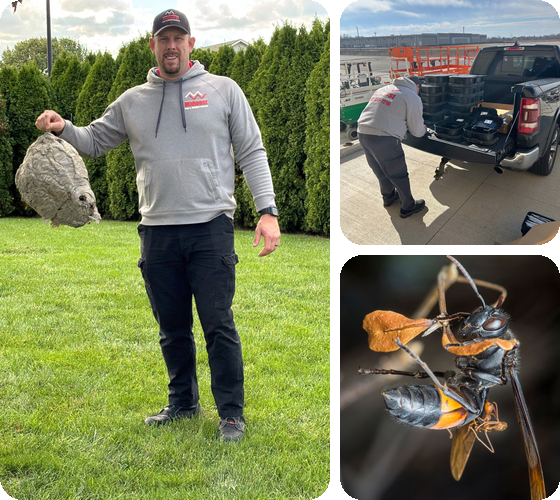
Pests in the house can change how a room feels overnight. Residential service starts with the problem itself and accounts for how your family uses each part of the home.

Commercial Pest Control
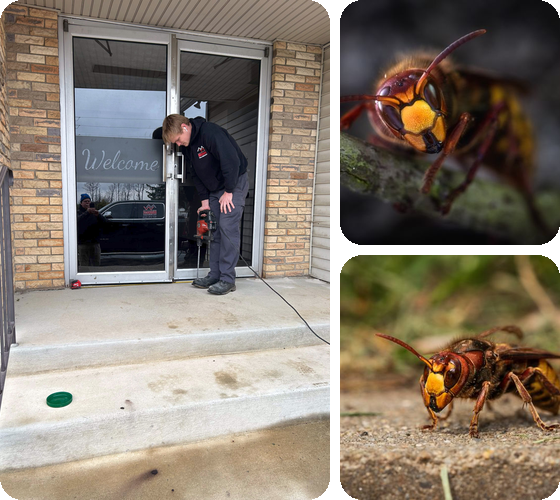
A pest issue at a commercial establishment can quickly become visible to customers or staff. Commercial service is planned around the building’s schedule so business can continue without interruptions during the workday.
Ant Control
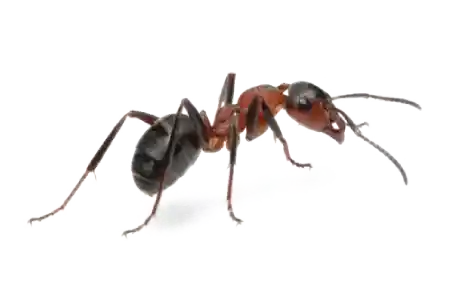
Ant trails may start near a foundation crack or beneath a leaking sink. Following the path reveals the nest so the source can be addressed before another colony settles indoors.
Bed Bug Control
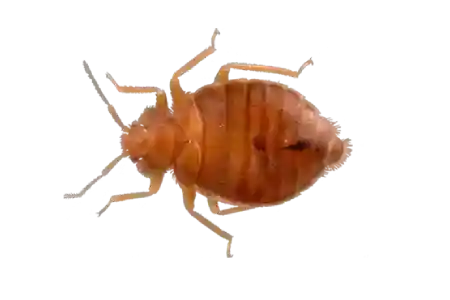
Bed bugs stay close to where people sleep. A detailed inspection shows how far they have spread and helps determine the right approach for the infestation within that particular room.
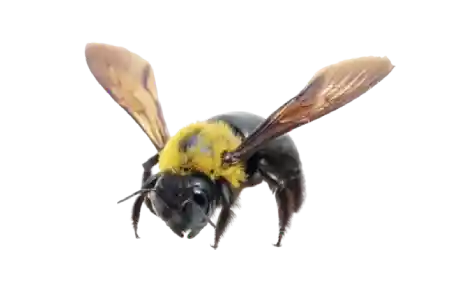
Carpenter Bee Control
Carpenter bees leave round openings in exposed wood. Each tunnel is checked before nesting is addressed, followed by guidance on making the surface less inviting during the next nesting season.

Centipede Control
Centipedes favor damp rooms where other insects are easy to find. We check moisture conditions and likely entry points before recommending treatment for the affected areas.
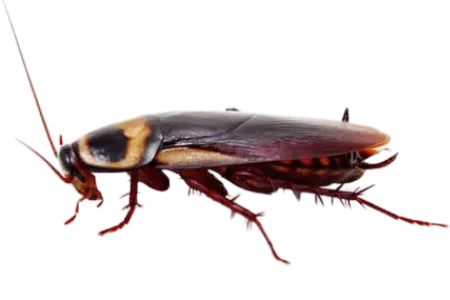
Cockroach Control
A cockroach seen in daylight may mean more are hiding nearby. Inspection centers on the shelter they use and the conditions allowing them to remain inside the home over time.
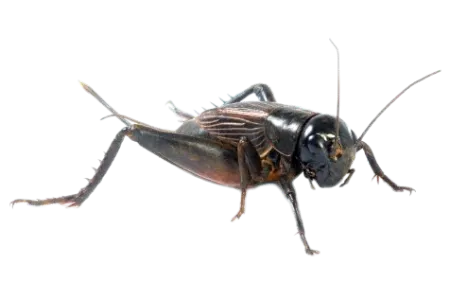
Cricket Control
Crickets often slip indoors through narrow openings and settle where the air stays damp. Once their hiding place is found, the access route can be closed to quiet the house.
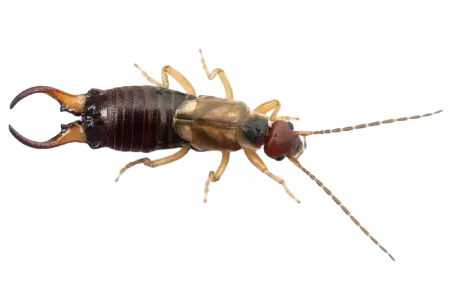
Earwig Control
Earwigs gather around damp mulch and shaded exterior areas before slipping indoors. We treat likely entry zones and explain moisture corrections that can reduce recurring activity near buildings after rainfall.
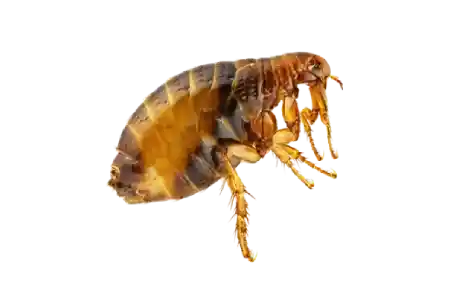
Flea & Mite Control
Fleas often arrive on pets, while mites may come from wildlife nests. A close inspection identifies the source, how far they have spread, and which areas need attention first indoors.
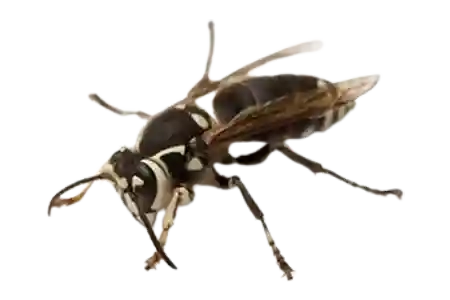
Hornet Control
Hornets become defensive when a nest is disturbed near an entrance or patio. Our hornet removal service locates the nest and handles it carefully to reduce contact nearby during removal.

Millipede Control
Heavy rain can drive millipedes from saturated soil into basements. Service centers on the routes they use and damp conditions near the foundation that keep drawing them inside after storms.
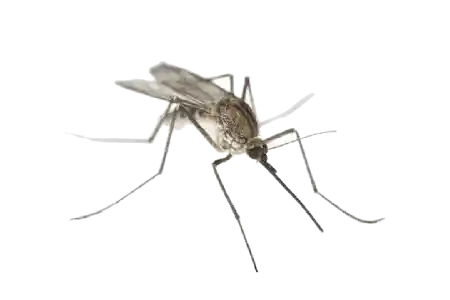
Mosquito Control
Mosquito numbers rise when water sits undisturbed for several days. The property is checked for breeding sources before shaded resting areas receive attention to reduce biting around the yard daily.
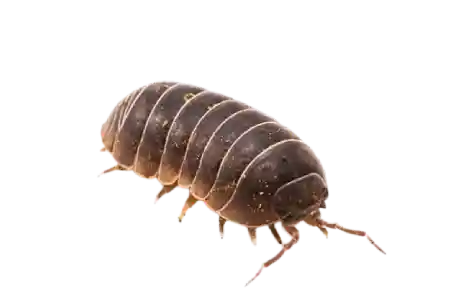
Pill Bug Control
Pill bugs gather where the ground stays damp beside a foundation. Clearing those conditions and addressing their shelter helps prevent them from wandering indoors during long stretches of wet weather.
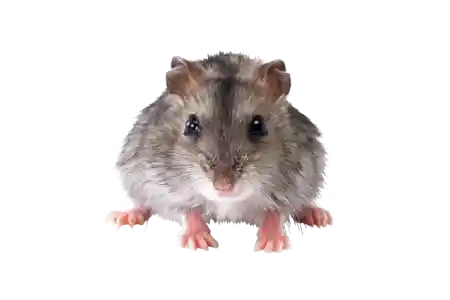
Rodent Control
Mice and rats slip through gaps near garage doors or utility lines. We trace their route and place traps according to the signs found around the property.
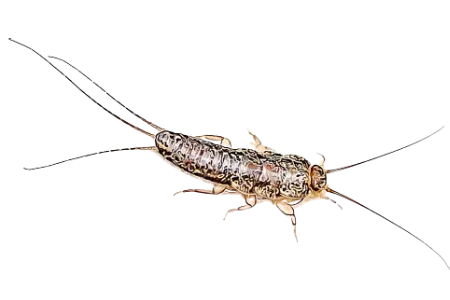
Silverfish Control
Silverfish hide where humidity lingers, and rooms stay undisturbed. Paper damage may expose their presence, while moisture reduction and direct service help keep them from settling indoors again over time.
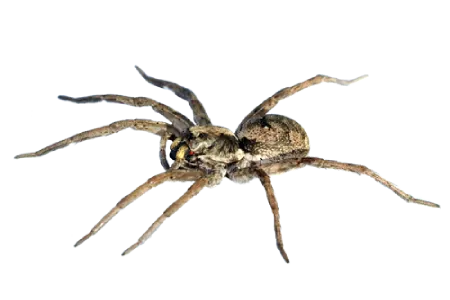
Spider Control
Spiders remain where insects are easy to find. Web removal helps briefly, but lasting control also means reducing their food source and closing the openings that bring them inside again.
Termite Control
Termites can reach structural wood from the soil without obvious signs. We inspect likely entry areas and look for hidden damage before recommending treatment.
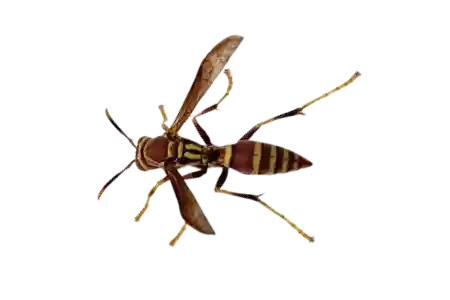
Wasp Control
Wasps commonly build nests beneath roof edges or inside sheltered wall spaces. Locating the source matters most near doorways or patios, where movement may place someone close to the colony.
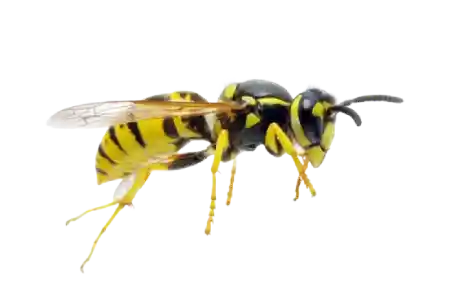
Yellow Jacket Control
Yellow jackets may nest underground or disappear into wall openings. Their traffic often increases by late summer, so tracing the flight path can reveal where the colony is actually located.

Confirm the Species and Nest Site
Before any work begins, the nest has to be found and the insect identified. Our hornet control specialists watch flight patterns and check likely entry points to pinpoint the colony.

Treat the Nest
Once the nest location is clear, the next step depends on where it sits and how exposed it is. The application is directed at the colony with minimal disruption nearby.

Check for Remaining Activity
We explain what activity may continue after treatment and when the area can be used again. If concerns remain, we review the site and determine whether follow-up service is needed.
 Ryan has done flea control at my dads house and today took care of termites. I would recommend him 100%. Local company and backs up with a warranty! If anyone has any bug issues call Ryan!
Ryan’s service was exceptional! He is very professional and took the time to answer all of our questions. We would definitely use his services again if needed.
Ryan was very professional and extremely responsive. He even came out to the house on a Sunday to treat our wasp problem. We will definitely use his business again in the future.
Ryan was very professional and had impeccable communication. He was thorough when explaining the process and was always willing to answer any questions I had.
Ryan was professional, friendly, and highly knowledgeable in his field. He was thorough answering every question I had and very assuring regarding pet and children safety …
Great experience! Worked diligently to get our pest situation resolved and kept us informed every step of the way. Went the extra mile to make sure we were satisfied. …
Ryan has done flea control at my dads house and today took care of termites. I would recommend him 100%. Local company and backs up with a warranty! If anyone has any bug issues call Ryan!
Ryan’s service was exceptional! He is very professional and took the time to answer all of our questions. We would definitely use his services again if needed.
Ryan was very professional and extremely responsive. He even came out to the house on a Sunday to treat our wasp problem. We will definitely use his business again in the future.
Ryan was very professional and had impeccable communication. He was thorough when explaining the process and was always willing to answer any questions I had.
Ryan was professional, friendly, and highly knowledgeable in his field. He was thorough answering every question I had and very assuring regarding pet and children safety …
Great experience! Worked diligently to get our pest situation resolved and kept us informed every step of the way. Went the extra mile to make sure we were satisfied. …