


Residential Pest Control
Bedrooms, basements, garages, and exterior walls reveal different clues. We connect those signs before choosing treatment for the home.

Commercial Pest Control
Retail floors, stockrooms, offices, and loading areas demand discreet work. We shape service around business traffic and sensitive spaces.
Ant Control
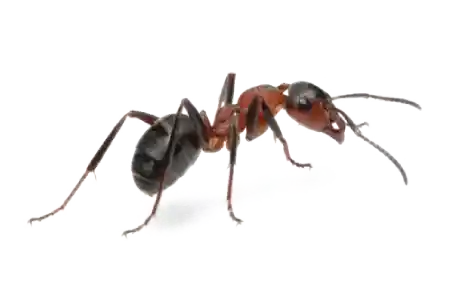
Ant trails can disappear beneath trim, around pipes, or under flooring. We track the traffic back toward the colony before treating.
Bed Bug Control
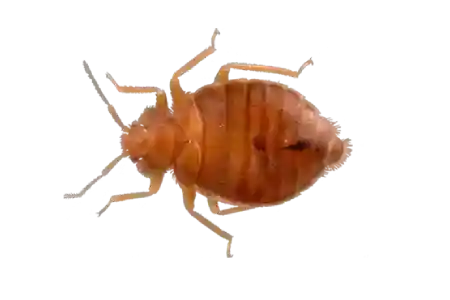
Dark spotting, shed skins, and insects tucked into furniture seams help us judge whether heat or chemical treatment fits the infestation.

Carpenter Bee Control
Small piles of wood dust beneath round openings often reveal carpenter bee tunnels. We treat occupied galleries and inspect nearby timber.

Centipede Control
Fast-moving centipedes usually have prey and moisture nearby. Our visit looks beyond the crawler to those supporting conditions.
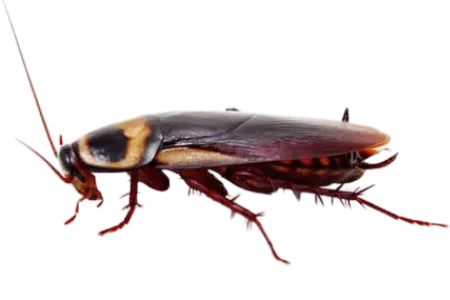
Cockroach Control
Roaches thrive where crumbs, leaks, cardboard, and warm machinery come together. We work through the tight spaces they use most.
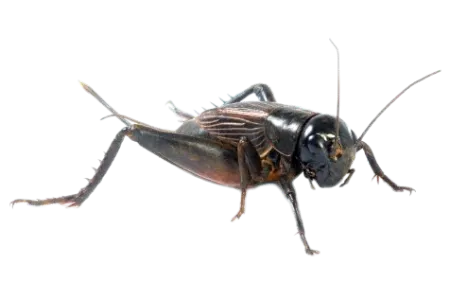
Cricket Control
Persistent chirping after dark often leads toward a basement edge, garage corner, or utility opening. We find the shelter and entry route.
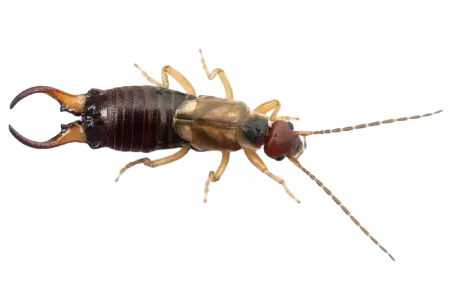
Earwig Control
Rain can drive earwigs out of wet mulch and foundation cover. We treat those hiding spots and the openings leading indoors.
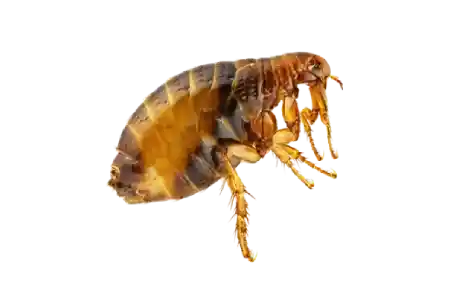
Flea & Mite Control
Similar bites can come from very different pests. Pet areas, abandoned nests, and where irritation begins help us identify the source.
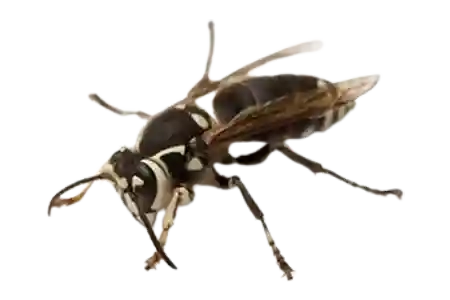
Hornet Control
Large paper nests near rooflines or trees can restrict yard use. We locate the colony and approach removal with care.

Millipede Control
Soaked soil may send millipedes across thresholds by the dozens. We focus on wet borders and the lowest access points.
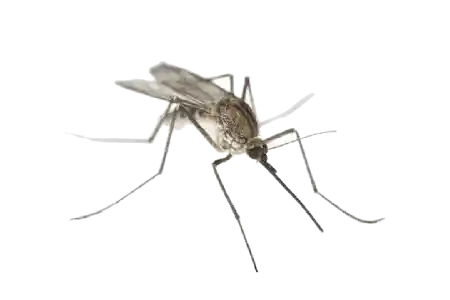
Mosquito Control
Container water creates breeding sites, while dense foliage shelters adults. Our service concentrates on both parts of the yard.
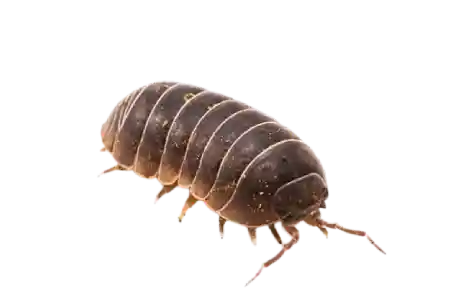
Pill Bug Control
Wet mulch and decaying leaves suit pill bugs outdoors. Repeated indoor sightings lead us toward damp foundation edges and worn seals.

Rodent Control
Smudges, gnawing, droppings, and nighttime noise map rodent movement. We combine active control with a search for entry gaps.
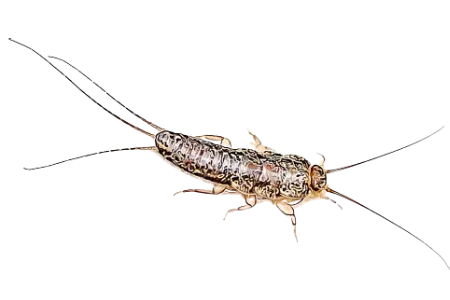
Silverfish Control
Chewed paper, yellow staining, or a quick flash when lights come on may reveal silverfish hiding near damp storage.
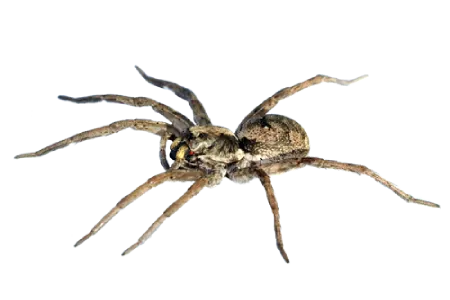
Spider Control
Fresh webs, egg sacs, and prey remains tell different stories. Our Miami Valley spider control pros address both shelter and insect activity.
Termite Control
Discarded wings, mud tubes, or wood that sounds hollow can signal termites. We examine the structure before discussing treatment options.
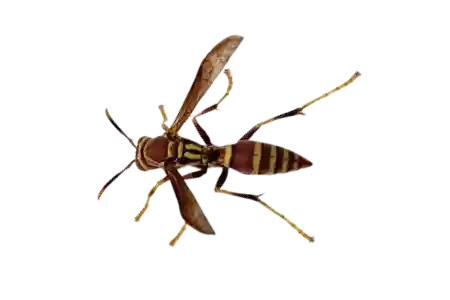
Wasp Control
Open paper combs beneath eaves, rails, or fixtures signal wasp activity. We identify the nest and treat without careless disturbance.
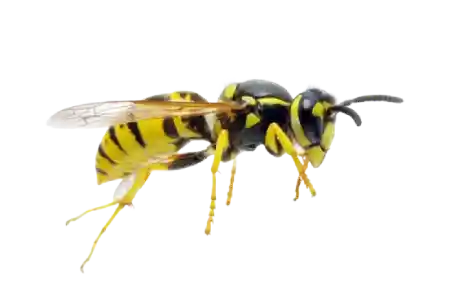
Yellow Jacket Control
Workers vanishing into soil, siding, or masonry often mark a hidden nest. We watch their flight before placing treatment.

Read Web Placement And Movement
Our spider control Miami Valley team inspects basement joists, garage corners, window wells, storage, exterior lights, shrubs, and foundation gaps, noting web style, egg sacs, prey remains, and wandering activity before treatment begins.

Work On Spiders And Their Prey
The plan may combine interior crack-and-crevice work, exterior perimeter treatment, web removal, and attention to insect activity because a steady food supply can keep fresh spiders moving back.

Make The Perimeter Less Useful
Before wrapping up, we flag loose screens, door gaps, clutter, vegetation touching walls, and lighting that draws insects, then explain whether seasonal or recurring protection makes sense.
 Ryan has done flea control at my dads house and today took care of termites. I would recommend him 100%. Local company and backs up with a warranty! If anyone has any bug issues call Ryan!
Ryan’s service was exceptional! He is very professional and took the time to answer all of our questions. We would definitely use his services again if needed.
Ryan was very professional and extremely responsive. He even came out to the house on a Sunday to treat our wasp problem. We will definitely use his business again in the future.
Ryan was very professional and had impeccable communication. He was thorough when explaining the process and was always willing to answer any questions I had.
Ryan was professional, friendly, and highly knowledgeable in his field. He was thorough answering every question I had and very assuring regarding pet and children safety …
Great experience! Worked diligently to get our pest situation resolved and kept us informed every step of the way. Went the extra mile to make sure we were satisfied. …
Ryan has done flea control at my dads house and today took care of termites. I would recommend him 100%. Local company and backs up with a warranty! If anyone has any bug issues call Ryan!
Ryan’s service was exceptional! He is very professional and took the time to answer all of our questions. We would definitely use his services again if needed.
Ryan was very professional and extremely responsive. He even came out to the house on a Sunday to treat our wasp problem. We will definitely use his business again in the future.
Ryan was very professional and had impeccable communication. He was thorough when explaining the process and was always willing to answer any questions I had.
Ryan was professional, friendly, and highly knowledgeable in his field. He was thorough answering every question I had and very assuring regarding pet and children safety …
Great experience! Worked diligently to get our pest situation resolved and kept us informed every step of the way. Went the extra mile to make sure we were satisfied. …