


Residential Pest Control
Unexpected pests can make parts of a home unpleasant to use. Residential pest control helps restore those rooms, so families can return without wondering whether the problem still remains nearby.

Commercial Pest Control
Customer-facing businesses cannot afford repeated pest sightings. Commercial pest control gives managers a direct response for affected areas while helping maintain the professional appearance expected throughout the property each day.
Ant Control
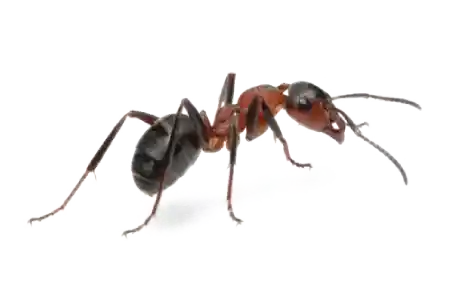
Ant trails on counters often point toward a nest outside. Following that path reveals the entry point while targeted service at the source helps stop the colony from returning indoors.
Bed Bug Control
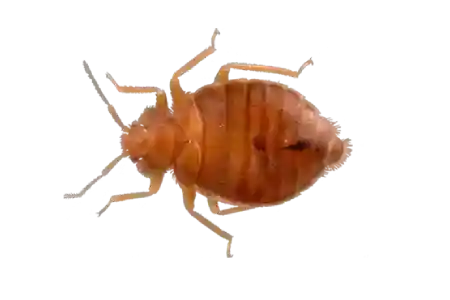
Bed bugs can travel indoors on luggage, clothing, or secondhand furniture. We inspect nearby rooms, find where they are hiding, and explain what needs moving or preparing before treatment begins.
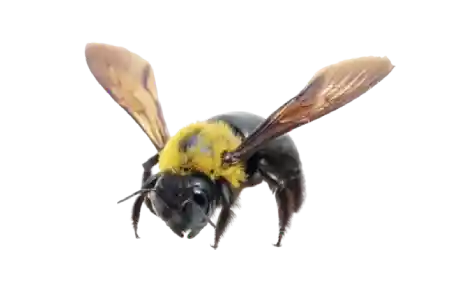
Carpenter Bees Control
Clean round holes in exposed wood usually signal carpenter bees. Checking the tunnels shows whether they are occupied, while damaged boards can be flagged for repair before paint is applied.

Centipede Control
Centipedes prefer cool rooms where moisture lingers, and prey is easy to find. Our centipede control services address both causes, making the property less inviting after the initial visit.
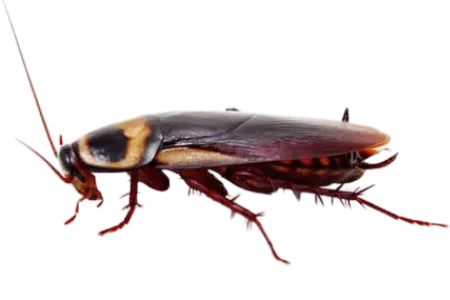
Cockroach Control
Cockroaches stay close to dependable food or water. A careful look behind nearby fixtures can reveal where the infestation started and what keeps the population growing within buildings over time.
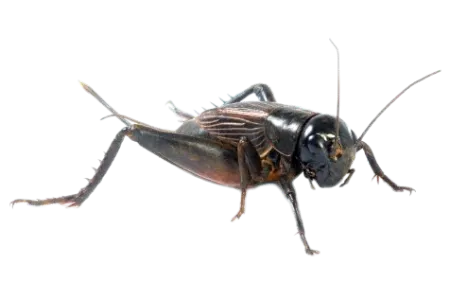
Cricket Control
Crickets can slip through worn seals beside doors or foundations. Quiet corners give them shelter, so service covers those areas while the openings that allowed entry are marked for closure.
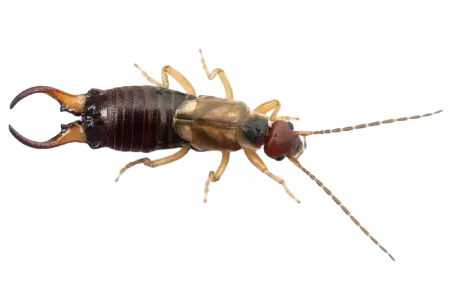
Earwig Control
Earwigs seek cool, moist shelter beneath debris and around foundations. We treat activity near entry points and help correct damp conditions that keep bringing them toward the building after rain.
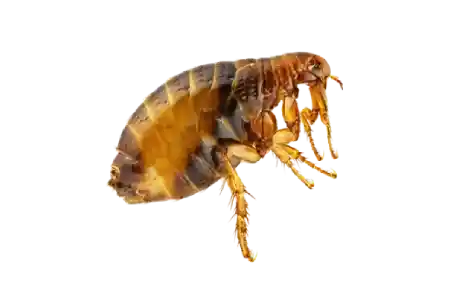
Flea & Mite Control
Fleas and mites often arrive on pets or from nearby wildlife. Finding the source comes first. Attention then turns to affected rooms and steps that help stop further spread elsewhere.
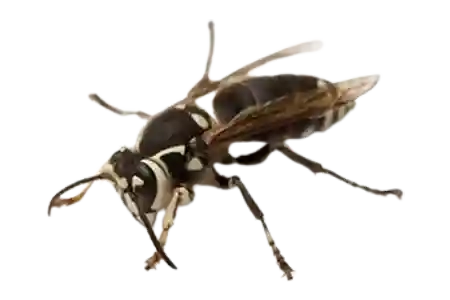
Hornet Control
Hornet nests may hang from trees or remain hidden around the structure. Because disturbing one can trigger defensive behavior, we locate the nest before recommending treatment.

Millipede Control
Heavy rain can drive millipedes toward buildings while dry soil sends them looking for shelter. We address likely access points and damp ground near the foundation to limit another migration.
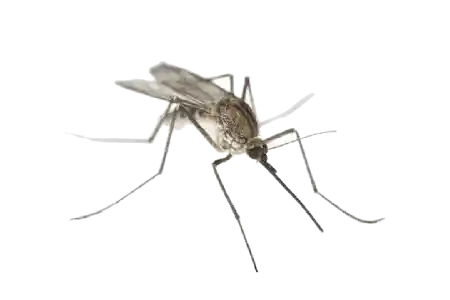
Mosquito Control
Still water gives mosquitoes a place to multiply. We find overlooked breeding spots and check shaded vegetation where adults rest during the day before choosing the most useful service areas.
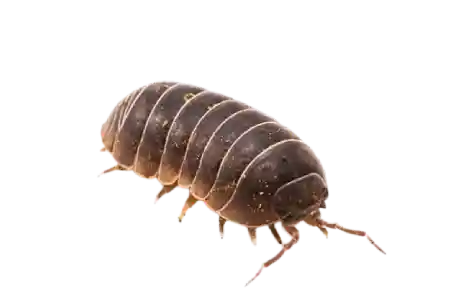
Pill Bug Control
Pill bugs often come from damp soil beside the foundation. Indoor sightings are addressed first. Outdoor moisture and nearby shelter are then reduced to make continued entry less likely later.

Rodent Control
That scratching behind the wall may come from a mouse using the same tiny gap each night. Our service finds its opening and removes the animal hiding inside your home.
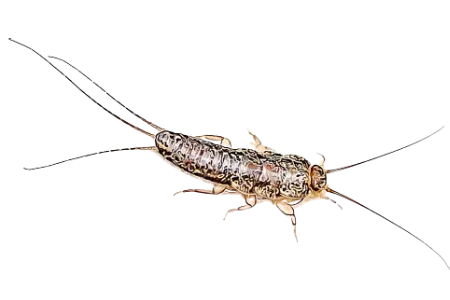
Silverfish Control
Open a forgotten box, and silverfish may scatter. Since they favor the same damp spots as centipedes, our service looks at why both keep appearing indoors.
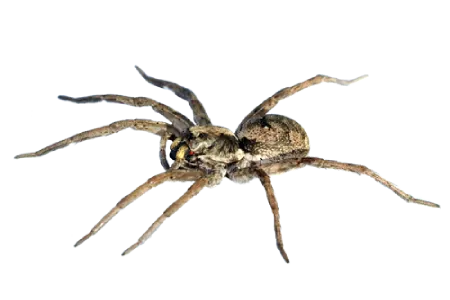
Spider Control
Spiders stay where insects provide an easy meal. Removing webs clears visible signs while reducing nearby prey gives them less reason to rebuild in the same place again over time.
Termite Control
Subterranean termites can move from soil into structural wood without obvious warning. Mud tubes and damaged framing help reveal their path so treatment can match the property’s condition and construction type.
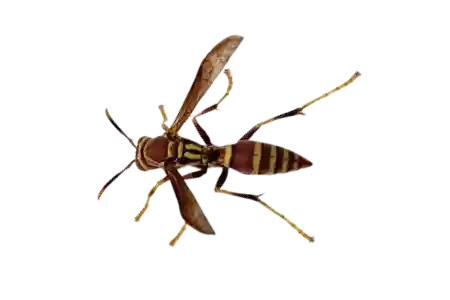
Wasp Control
Wasps may build beneath eaves or disappear into wall gaps. Some colonies settle underground. Locating the nest first helps determine access needs and what customers may notice afterward during service.
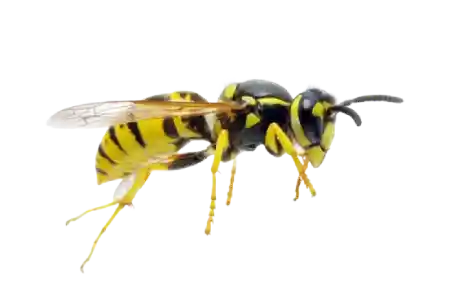
Yellow Jacket Control
Yellow jackets often become noticeable near outdoor meals or concealed nests. Once the colony is found, the next step is direct service, followed by guidance on activity customers may notice.

Find Where Centipedes Are Coming From
Damp corners often reveal where centipedes settle. We check nearby gaps and insect activity to decide whether centipede removal is needed and where service should begin on the property first.

Address the Spots They Use
A centipede disappearing behind a baseboard leaves a useful clue. Treatment goes into that hiding place, while rooms without sightings are skipped instead of being treated automatically during the visit.

Make the Property Less Inviting
A slow leak or loose door seal can keep the centipede problem going. Once we spot the likely cause, you will know which home repair deserves attention first after treatment.
 Ryan has done flea control at my dads house and today took care of termites. I would recommend him 100%. Local company and backs up with a warranty! If anyone has any bug issues call Ryan!
Ryan’s service was exceptional! He is very professional and took the time to answer all of our questions. We would definitely use his services again if needed.
Ryan was very professional and extremely responsive. He even came out to the house on a Sunday to treat our wasp problem. We will definitely use his business again in the future.
Ryan was very professional and had impeccable communication. He was thorough when explaining the process and was always willing to answer any questions I had.
Ryan was professional, friendly, and highly knowledgeable in his field. He was thorough answering every question I had and very assuring regarding pet and children safety …
Great experience! Worked diligently to get our pest situation resolved and kept us informed every step of the way. Went the extra mile to make sure we were satisfied. …
Ryan has done flea control at my dads house and today took care of termites. I would recommend him 100%. Local company and backs up with a warranty! If anyone has any bug issues call Ryan!
Ryan’s service was exceptional! He is very professional and took the time to answer all of our questions. We would definitely use his services again if needed.
Ryan was very professional and extremely responsive. He even came out to the house on a Sunday to treat our wasp problem. We will definitely use his business again in the future.
Ryan was very professional and had impeccable communication. He was thorough when explaining the process and was always willing to answer any questions I had.
Ryan was professional, friendly, and highly knowledgeable in his field. He was thorough answering every question I had and very assuring regarding pet and children safety …
Great experience! Worked diligently to get our pest situation resolved and kept us informed every step of the way. Went the extra mile to make sure we were satisfied. …