
Serious infestation is rarely limited to the pests that are easiest to see. Ants may be nesting inside walls, cockroaches can remain hidden near moisture and appliances, bed bugs may spread through furniture and small crevices, and rodents can travel through attics, garages, basements, or wall voids without being noticed.
That is why DIY pest control often falls short when activity is already established. A spray, trap, or bait may reduce visible pests, but long-term control depends on identifying the species, locating the source, understanding how the infestation is spreading, and addressing the conditions that allow it to continue.
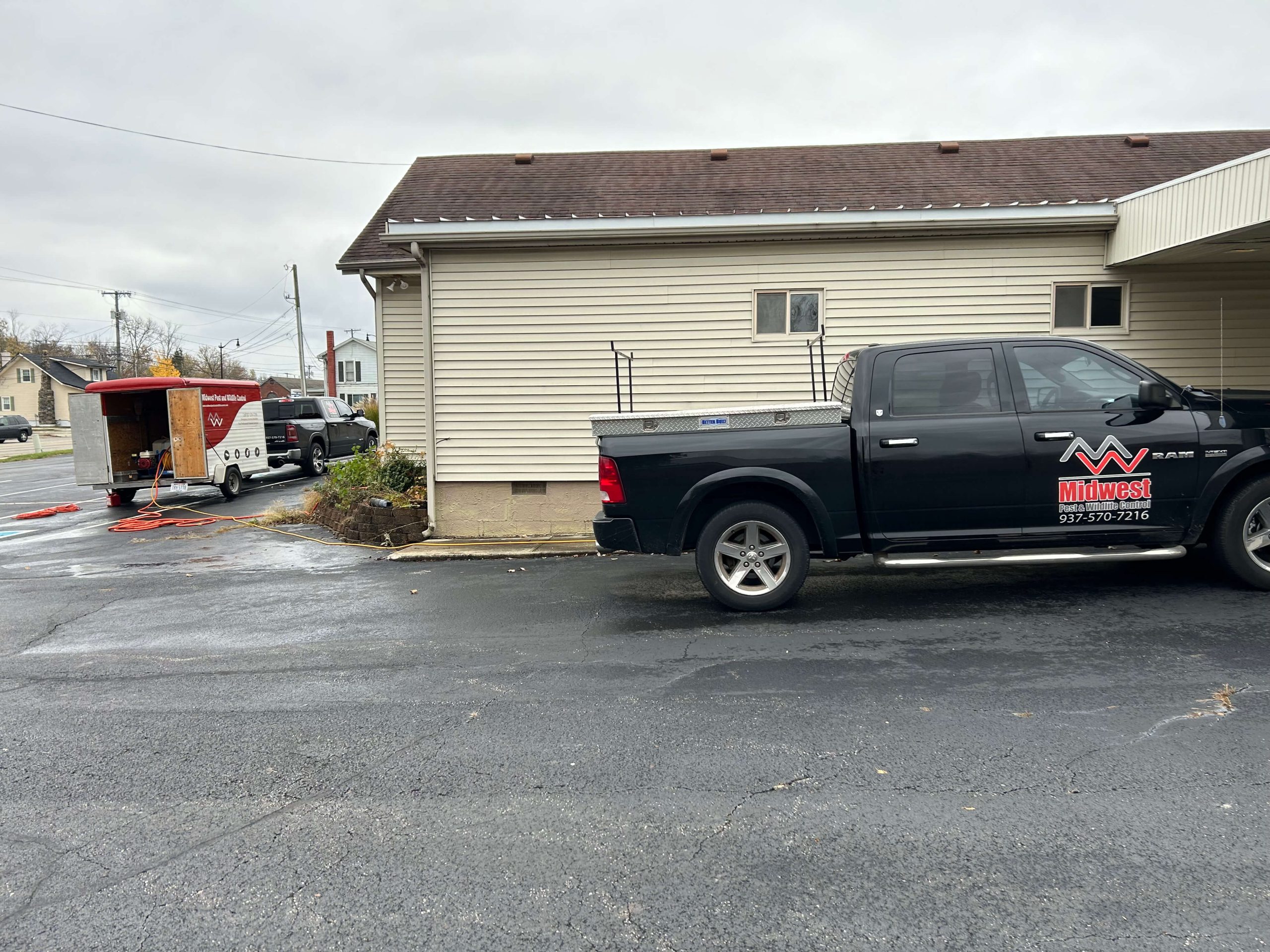
Serious Infestations Usually Extend Beyond Visible Activity
Seeing a few pests does not always reveal the true size of the problem. Many species stay concealed for much of the day, reproduce in protected areas, or move through spaces that are difficult to inspect without training.
Signs that activity may be more extensive include:
- Repeated sightings in different rooms or parts of the property.
- Droppings, shed skins, gnaw marks, nesting material, or damaged food packaging.
- Activity returning soon after one-time treatment.
- Scratching sounds inside walls, ceilings, attics, or crawl spaces.
- Multiple life stages, such as adults, eggs, larvae, or nymphs.
Professional pest control starts by looking for patterns rather than treating one isolated sighting. The goal is to determine where pests are entering, nesting, and reproducing so the response can target the source.
Rodents Show Why Surface-Level Control Can Miss the Source
Rodents are a good example of why serious infestations require more than visible removal. A mouse or rat seen in a kitchen may be entering through a foundation gap, garage-door opening, utility penetration, or roofline defect and nesting elsewhere in the structure.
This guide to rodent activity explains why mice and rats require careful attention to signs, access points, nesting areas, and the conditions that keep them close to a property.
Rodent problems can involve hidden nests in attics, basements, garages, wall voids, or storage areas. Droppings, urine, nesting debris, damaged packaging, and gnawing can reveal a larger problem, while open structural gaps may allow new animals to follow established travel routes.
Removing one visible rodent does not necessarily mean the infestation is over. A complete response may involve inspection, trapping or treatment, exclusion, sanitation guidance, and follow-up monitoring.
Different Pests Require Different Treatment Strategies
One of the biggest weaknesses of DIY pest control is the assumption that one product can solve many different problems. Ants, termites, cockroaches, bed bugs, fleas, mites, mosquitoes, spiders, centipedes, crickets, earwigs, millipedes, rodents, and stinging insects all behave differently.
A professional assessment considers:
- Species identification before treatment begins.
- Nesting, breeding, feeding, and travel patterns.
- Whether the infestation is localized or spread through several areas.
- Moisture, food, shelter, and structural access that support activity.
- Whether follow-up service is needed after the initial treatment.
The wrong treatment can waste time while the infestation continues elsewhere. Some products may affect only pests that cross a treated surface, while others may never reach hidden nests, eggs, galleries, or breeding areas.
Effective pest control depends on matching the method to the biology and behavior of the pest involved.
Short-Term Improvement Does Not Always Mean Elimination
A drop in sightings can feel reassuring, but reduced visibility is not the same as complete control. Some pests remain hidden after disturbance, while others may continue reproducing in areas that were never reached.
For homeowners trying to understand how different infestations behave, the company’s pest control resources provide information on ants, bed bugs, termites, rodents, and other common pest problems.
Long-term results may depend on:
- Whether the active nest, colony, breeding site, or entry route was identified.
- Whether hidden life stages are still developing.
- Whether outdoor pest pressure continues around the property.
- Whether moisture, clutter, food, or structural gaps remain unresolved.
- Whether follow-up inspections confirm that activity has stopped.
This is why one-time treatment can be misleading in a serious infestation. Visible pests may disappear temporarily even though the underlying source remains active.
Professional Pest Control Looks at the Whole Infestation
Serious pest problems are often connected to several factors at once. A leaking pipe may support cockroaches, an unsealed gap may allow rodents inside, clutter can create hiding places, and outdoor conditions may continue sending pests toward the structure.
A complete pest control plan may include inspection, accurate identification, targeted treatment, exclusion recommendations, sanitation guidance, and monitoring. The exact approach should depend on the pest, infestation size, property layout, and evidence found during the inspection.
Professional help becomes especially important when pests are spreading, returning after previous treatment, damaging property, contaminating living spaces, or hiding in difficult-to-reach areas. The objective is not simply to reduce what is visible today. It is to understand the infestation well enough to interrupt the conditions that keep it active.
Stop Treating the Symptom and Find the Source
When pest activity has become established, a detailed inspection can reveal what surface-level efforts may miss. Contact Midwest Pest and Wildlife Control for professional pest control focused on accurate identification, targeted treatment, and long-term prevention.