
Fall travel can create more opportunities for bed bugs to move between hotels, vehicles, luggage, clothing, and homes. These insects do not need to fly or jump to spread. They are skilled hitchhikers that can hide in seams, folds, furniture joints, and other narrow spaces, then travel with personal belongings to a new location. Once inside a home, they may settle near sleeping areas and remain hidden long enough for an infestation to expand before anyone recognizes what is happening.
Our team approaches bed bug control by looking beyond bites alone. Reliable identification depends on physical evidence, including dark spotting, shed skins, eggs, rust-colored stains, and live insects. Travel history can also be useful because recent hotel stays, overnight visits, or luggage movement may help explain how activity reached the property.
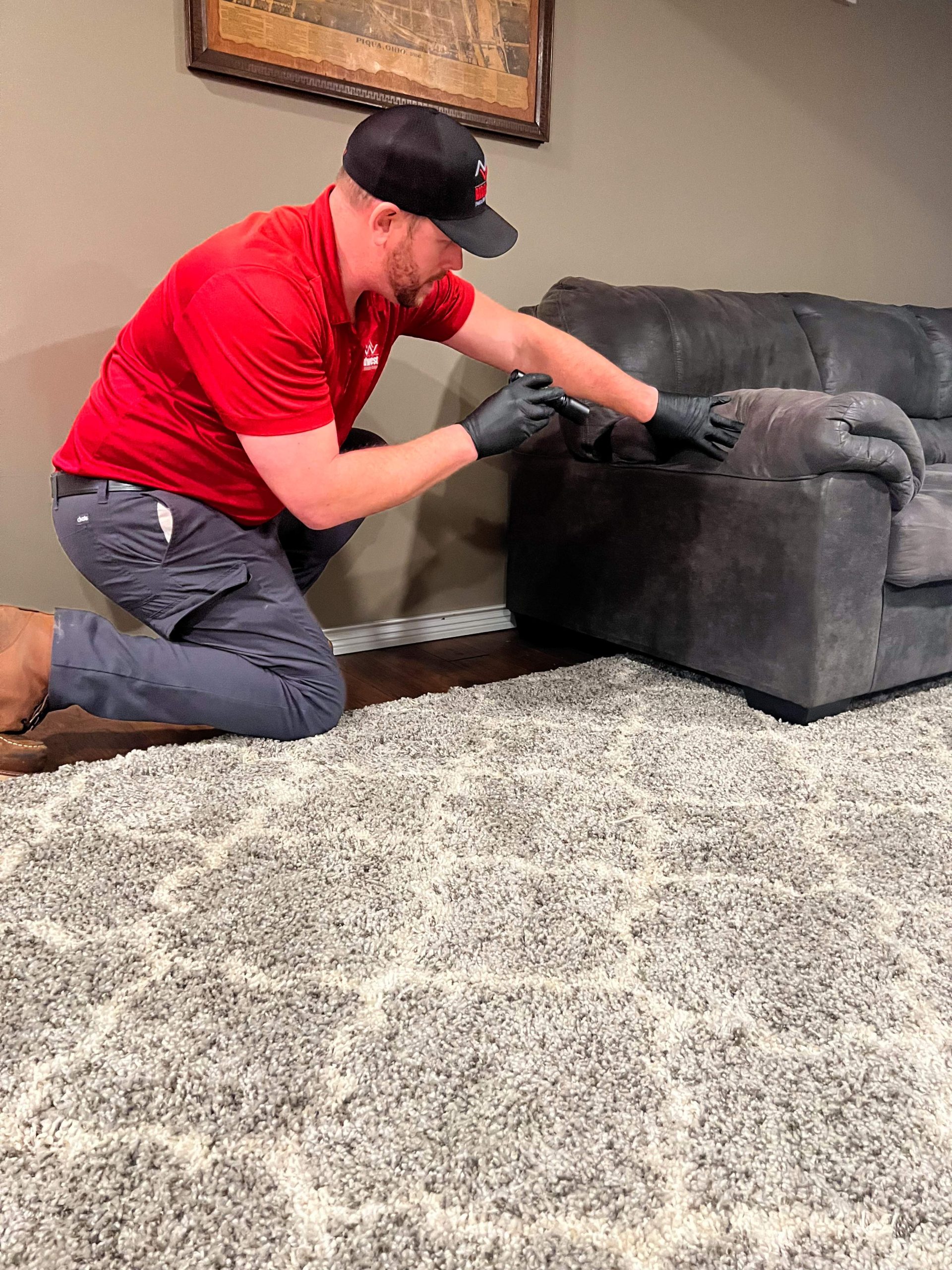
Luggage and Overnight Stays Create More Chances for Hitchhiking
Bed bugs commonly spread by attaching themselves to belongings rather than moving long distances on their own. During fall trips, luggage, backpacks, jackets, and other personal items may pass through hotels, guest rooms, transportation areas, and shared spaces where hidden bed bugs can be picked up without being noticed.
Travelers may not see an insect directly because bed bugs tend to hide close to where people rest. Mattress seams, bed frames, headboards, upholstered furniture, and narrow joints can all provide protected hiding places. Our guide to bed bug evidence explains why bites alone are not enough to confirm an infestation.
Useful travel-related warning signs include:
- Finding dark spotting along mattress seams or furniture edges
- Noticing shed skins or tiny pale eggs in cracks and joints
- Seeing rust-colored stains on bedding after an overnight stay
- Discovering live bugs around headboards, bed frames, or upholstered furniture
- Finding unexplained bites together with physical evidence near sleeping areas
- Seeing new activity shortly after luggage or overnight guests enter the home
These clues are more meaningful when several appear together, which is why professional inspection is often needed to confirm the source accurately.
Bed Bugs Can Spread Beyond the First Sleeping Area
A newly introduced bed bug problem may begin near one bed or piece of furniture, but established activity can move outward. Bed bugs hide close to resting areas because they feed at night, yet they can also spread into nearby furniture, baseboards, trim, adjoining rooms, and narrow structural gaps as the population grows.
Our technicians inspect the room as a connected environment rather than focusing only on the mattress. Furniture placement, sleeping locations, wall edges, seams, and nearby cracks all help show how far activity may have traveled.
An inspection may include:
- Checking mattress piping, box springs, and bed frames
- Inspecting headboards, nightstands, and upholstered furniture
- Looking along baseboards, trim, seams, and furniture joints
- Reviewing adjoining rooms when evidence suggests broader movement
- Comparing fresh signs with older spotting or shed skins
- Determining whether preparation is needed before treatment begins
This wider inspection is important because treating only the most obvious area can leave concealed activity behind. Effective bed bug control depends on understanding the full extent of the infestation before treatment is selected.
Early Professional Treatment Helps Limit a Growing Infestation
Bed bugs reproduce quickly, and a small problem can become more difficult to resolve when it remains unnoticed. Fall travel can increase introduction opportunities, while delayed detection gives hidden insects more time to spread through furniture and belongings.
Our article on preventive pest care explains why early inspection and targeted treatment can reduce the disruption associated with more established infestations. For bed bugs, professional treatment may involve liquid-based service or a hybrid approach that combines chemical and heat treatment, depending on the severity and conditions.
A professional plan may involve:
- Confirming the infestation before treatment begins
- Determining how far activity has spread through the room or home
- Explaining preparation requirements before service
- Using treatment methods selected for the severity of the infestation
- Returning for follow-up service when the treatment plan requires it
- Monitoring for continued activity after the initial treatment
Preparation also matters because clutter, bedding, clothing, furniture, and wall items can affect how thoroughly treatment areas can be reached. Following professional instructions helps give technicians access to the locations where bed bugs are most likely to hide.
Travel-related bed bug problems can be especially frustrating because the source may be far from the home by the time signs appear. A hotel stay, visiting guest, or piece of luggage may have introduced the insects days or weeks earlier. That delay is another reason visual confirmation and careful inspection matter more than guessing from bites alone.
The strongest response is based on evidence, treatment coverage, and follow-up. One-time surface treatment may reduce visible insects without reaching eggs or bugs hidden in protected spaces. Professional bed bug control is designed to address the infestation as a whole and confirm whether activity is continuing after service.
Stop Travel-Related Bed Bugs Before They Spread Further
If you notice suspicious bites, spotting, shed skins, or live insects after fall travel, contact Midwest Pest and Wildlife Control for professional inspection, bed bug control, treatment planning, and follow-up.