
Seeing one pest inside a home may seem like an isolated inconvenience, but recurring sightings often point to a larger issue. Ants may be following established trails, spiders may be finding a steady food supply, and moisture-loving pests such as centipedes, millipedes, earwigs, pill bugs, and silverfish may be responding to favorable conditions around the property. Simply dealing with the pest that happens to be visible does not necessarily address what allowed it to appear.
General pest control takes a broader approach. Instead of focusing only on the insect or rodent seen at that moment, professional service looks at activity patterns, likely entry points, environmental conditions, seasonal changes, and areas where pests may remain hidden. This wider perspective is important because repeat pest problems are rarely random. They usually continue because food, moisture, shelter, access, or an established population remains somewhere nearby.
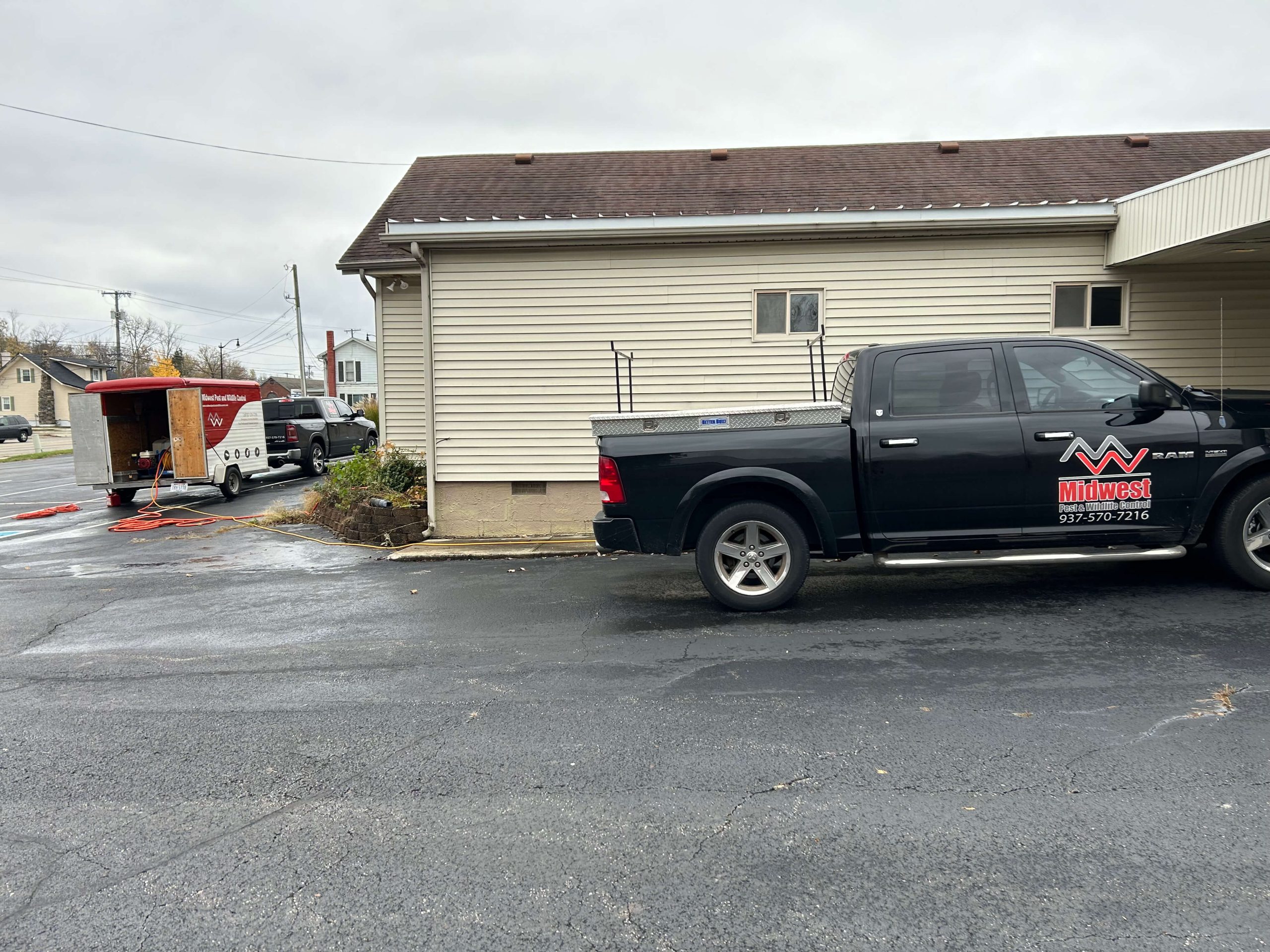
Repeat Pest Problems Usually Have an Underlying Cause
A recurring pest problem can develop when the conditions that support pest activity remain unchanged. Cockroaches may stay hidden in cracks and protected areas. Ants can continue entering from an established colony. Mice may repeatedly use small openings around a structure, while crickets and spiders may settle into quiet basements, crawl spaces, garages, or other sheltered locations.
This is why eliminating a few visible pests is often not enough. A professional inspection can help determine where the activity is concentrated, what is attracting the pest, and how it may be entering the building. For homeowners dealing with persistent ant activity, understanding the behavior of the colony is especially important because the workers seen indoors may represent only a small portion of the actual problem. More information about this type of infestation can be found through professional ant pest control.
Effective general pest control considers both the immediate activity and the conditions that may contribute to another infestation. By looking beyond individual sightings, pest professionals can develop a more targeted strategy rather than repeatedly responding to the same symptoms.
A Broader Inspection Can Reveal What Is Being Missed
Pests often use areas that homeowners rarely inspect closely. Small gaps, utility penetrations, foundation openings, damp corners, storage spaces, and secluded areas can all support activity without making the source immediately obvious.
A thorough pest assessment may help identify:
- Active pest locations: Professionals can look for droppings, nesting areas, trails, webs, moisture-related activity, and other evidence that reveals where pests are concentrated.
- Possible entry points: Small gaps around doors, foundations, pipes, vents, and other structural openings can allow ants, mice, spiders, crickets, and other pests to enter.
- Moisture conditions: Damp areas can attract or support centipedes, millipedes, earwigs, pill bugs, silverfish, and other pests associated with humid environments.
- Seasonal pressure: Pest behavior changes throughout the year as temperatures, rainfall, food availability, and shelter needs shift.
- Hidden activity: Cockroaches, mice, silverfish, and other pests may remain active behind walls, beneath appliances, inside storage areas, or in other protected spaces.
Finding these contributing factors allows treatment to be more precise. Rather than relying on a general response to whatever pest happens to appear, the service can focus on the places and conditions most likely to sustain the problem.
Consistent Pest Control Interrupts the Cycle
Pest activity does not always disappear permanently after one quiet period. Some pests reproduce quickly, while others may remain hidden until conditions become favorable again. Seasonal changes can also create new pressure around a home. Rain may drive moisture-seeking pests toward structures, warmer conditions can increase insect activity, and cooler weather may encourage mice to seek protected indoor shelter.
Regular general pest control helps reduce the opportunity for these cycles to become established again. Professional service can monitor changes in activity, evaluate whether previously treated areas remain quiet, and respond when new signs appear. This matters because early activity is often easier to control before pests spread into additional areas.
The goal is not simply to react whenever a homeowner notices another ant trail, spider web, cockroach, or mouse. A more complete approach considers how different pest pressures develop over time. Homes may face several types of activity throughout the year, so ongoing awareness can provide more reliable protection than waiting for each separate problem to become obvious.
A trusted pest control service can also evaluate the property as a whole, which helps prevent different pest issues from being treated as unrelated events when they may share the same underlying conditions.
Targeted Treatment Makes Pest Management More Efficient
Different pests behave in different ways, so effective control requires more than a single treatment method applied everywhere. General pest control becomes more efficient when the strategy reflects the pest involved, the extent of the activity, and the specific conditions around the property.
Professional treatment may involve:
- Identifying the pest correctly: Accurate identification helps determine where the pest is likely to live, travel, feed, or reproduce.
- Focusing on active areas: Treatment can be directed toward cracks, crevices, trails, harborage sites, entry areas, and other locations associated with current activity.
- Considering exterior pressure: Many indoor pest problems begin outside, where insects or mice find pathways toward the structure.
- Monitoring changes: Follow-up observations can reveal whether activity is decreasing, moving, or returning in a different area.
- Adjusting the approach: Pest pressure may change with the season, weather, or conditions around the home, making adjustments an important part of long-term control.
This targeted process helps avoid the limitations of treating only what can be seen. A pest may disappear temporarily from one room while remaining active elsewhere. Professional evaluation makes it possible to consider the full pattern instead of relying on a single sighting as the only source of information.
Prevention Helps Reduce the Chance of Another Infestation
The strongest advantage of general pest control is its ability to combine active treatment with ongoing prevention. Repeat problems become less likely when pest activity is addressed early and the factors contributing to it are recognized before the infestation gains momentum.
A prevention-focused approach can help by:
- Reducing established pest populations before they spread into additional parts of the property.
- Watching known problem areas for signs that activity may be returning.
- Recognizing seasonal pest patterns that may increase the risk of ants, mosquitoes, spiders, mice, or other common pests.
- Addressing recurring entry routes that allow pests to move indoors repeatedly.
- Identifying environmental conditions, such as excess moisture or sheltered spaces that can support certain pests.
No property can be made completely immune to pest pressure, but consistent professional attention can make recurring infestations far less likely to become established unnoticed. The most effective pest management plans look beyond the pests currently visible and consider what may happen next.
That is what makes general pest control valuable for long-term protection. It creates an opportunity to find the source, respond appropriately, monitor changes, and reduce the conditions that allow the same problems to keep returning.
Keep Repeat Pest Problems From Coming Back
When the same pests continue returning, a broader professional approach can help uncover what is sustaining the activity. Contact Midwest Pest and Wildlife Control for expert help protecting your home from recurring pest problems.