
Termite damage can create an urgent desire to replace weakened wood, patch drywall, or restore damaged trim as quickly as possible. The problem is that repairing visible damage before confirming whether termites are still active can hide evidence, disturb treatment areas, and leave the underlying infestation unresolved. What looks like a construction problem may still be an active pest problem.
Professional termite control should therefore come before structural repairs whenever termite activity is suspected. Subterranean termites can work from soil through concealed shelter tubes and reach wood behind finished surfaces, so visible damage may represent only part of the affected area. Inspection helps determine where activity is occurring, how the structure may be accessed, and what treatment should happen before damaged materials are replaced.
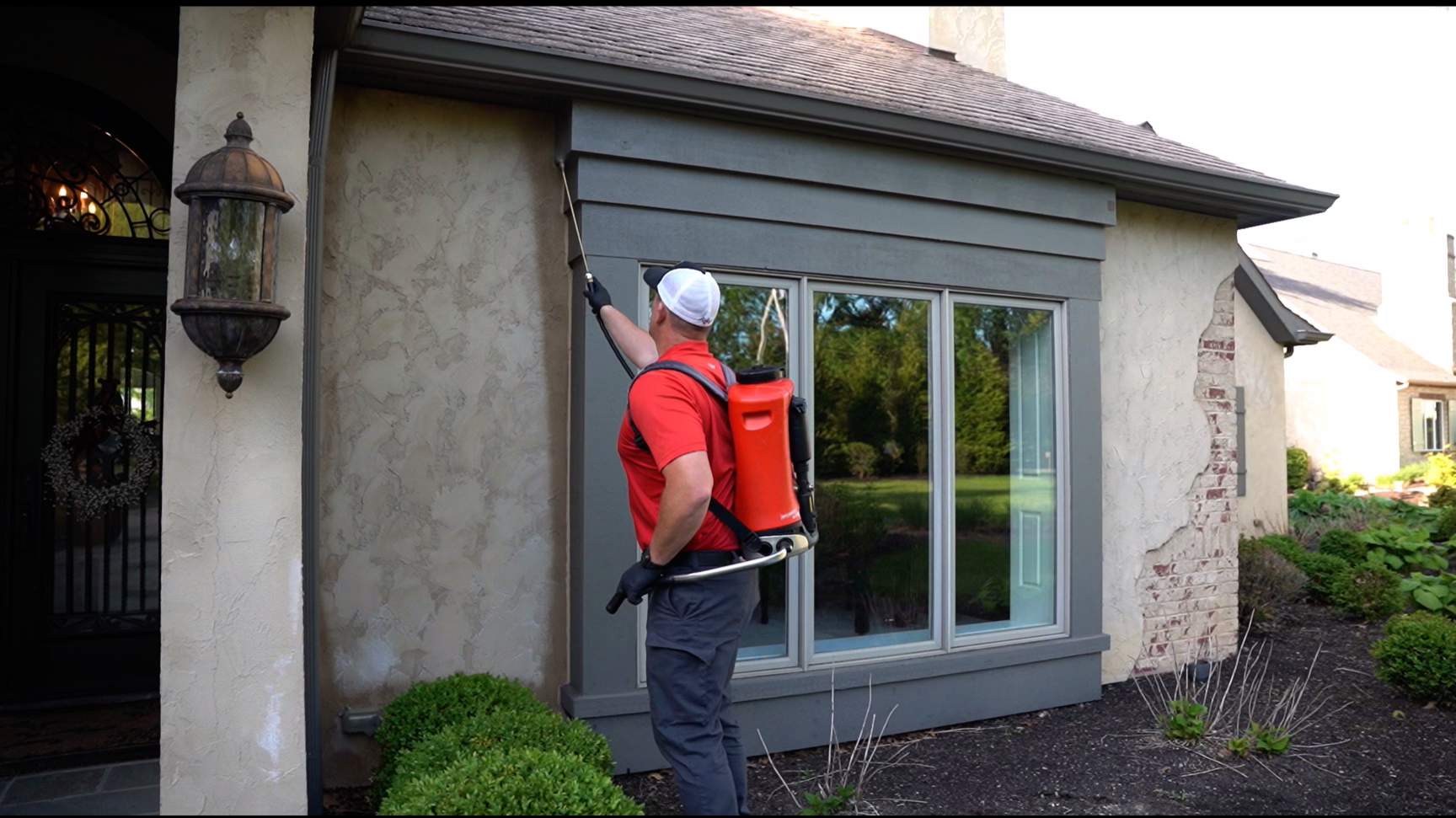
Repairs Can Hide Evidence Professionals Need To See
Termite inspections depend on physical clues. Mud tubes, damaged wood, shed wings, moisture conditions, and soil-to-structure access points help technicians understand how termites are moving through a building. Removing or covering those clues too early can make the infestation harder to map.
Before repairs begin, professionals may look for:
- Mud tubes along foundations, basement walls, crawl spaces, or structural joints
- Hollow-sounding or weakened wood near suspected feeding areas
- Shed wings or swarm evidence around windows, doors, or interior light sources
- Moisture problems that may support termite activity near wood or foundations
- Cracks, utility penetrations, and other routes connecting soil to structural materials
This inspection-first approach is especially important because visible damage does not confirm whether the colony has been eliminated. A new board can cover an active route without stopping termites from reaching another section of the structure.
Serious infestations also show why surface-level responses can be misleading. Guidance on hidden infestation risks explains why professional assessment matters when pest activity extends beyond what can be seen.
Treatment Decisions Depend On The Structure And Colony Evidence
Termite control is not identical for every property. Treatment can depend on construction type, soil contact, moisture, the location of active tubes, and how far evidence extends through accessible areas. Starting repairs first can change those conditions before technicians have documented them properly.
A professional evaluation may consider:
- Whether activity appears connected to soil or concealed structural pathways
- Which foundation sections, sill areas, porches, garages, or crawl spaces show evidence
- Whether direct wood treatment, soil-applied treatment, baiting, or another method fits the findings
- How moisture and drainage conditions may be contributing to termite pressure
- Which repairs should wait until treatment areas have been completed and documented
Once treatment is complete, repair planning can proceed with clearer information. Contractors can focus on restoring damaged components while homeowners have greater confidence that the pest issue has been addressed first.
Long-Term Protection Requires More Than Replacing Damaged Wood
Replacing termite-damaged wood is necessary when structural integrity has been affected, but new material does not remove the conditions that allowed termites to reach the building. If moisture, soil contact, entry routes, or nearby colony pressure remain unchanged, future activity may develop around repaired areas.
A prevention-focused plan may include:
- Monitoring previously active areas for fresh tubes, swarmers, or wood damage
- Correcting moisture problems that keep soil or structural materials persistently damp
- Maintaining access to foundation edges and other areas that need future inspection
- Watching repaired areas for new evidence after treatment and construction are complete
- Scheduling follow-up evaluation when termite pressure or property conditions remain concerning
This broader strategy reflects the same principle behind preventing repeat problems: effective pest management looks at the cause, not only the visible symptom. For termites, that means treating current activity and reducing the conditions that could support another infestation.
Repair work can also expose additional evidence. Once damaged material is carefully removed after treatment planning, contractors may uncover galleries, concealed damage, or moisture that was not visible during the initial inspection. That information can be shared with the pest professional so the treatment record and follow-up plan remain accurate.
Termite damage often develops gradually, which makes coordination between pest control and repair work important. Homeowners may understandably want cosmetic damage corrected quickly, but the correct order protects both the treatment process and the repair investment. Addressing active termites first reduces the chance that newly installed wood becomes part of an unresolved infestation.
Professional termite control also helps determine when repairs can safely move forward. That decision should be based on inspection findings, treatment completion, and any recommended follow-up rather than on whether visible insects have disappeared.
The best outcome comes from treating pest activity and structural damage as connected parts of the same problem. Inspection establishes the extent of termite evidence, treatment targets the infestation, and repairs restore the affected materials afterward. Following that sequence gives homeowners a more reliable path toward long-term protection.
Fix The Infestation Before The Damage
If you have found mud tubes, swarmers, hollow wood, or suspected termite damage, contact Midwest Pest and Wildlife Control for professional termite control before repair work begins.